
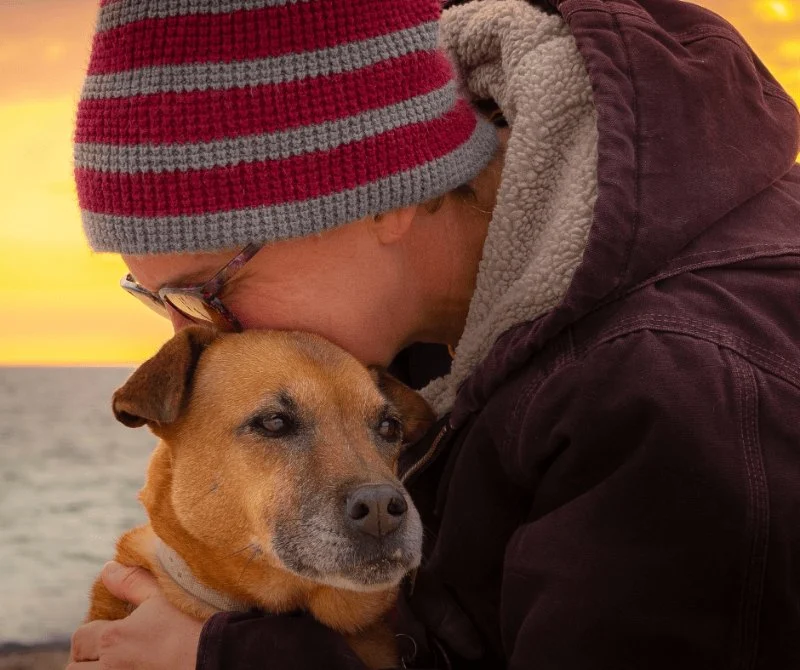
How to Handle Pet Loss: Grieving Tips for Pet Owners
- How to Handle Pet Loss: Grieving Tips for Pet Owners
- Understanding the Grief Process of Pet Owners
- Common Feelings After Pet Loss
- Practical Steps to Cope with Pet Loss
- Finding Support During Grieving
1. Understanding the Grief Process of Pet Owners
Losing a pet is never easy. For many pet owners, pets are not just animals; they are family members who provide unconditional love and companionship. When a pet passes away, the grief can be deep and complex. Understanding the grieving process is the first step toward healing. Just like any other form of grief, the emotions felt after losing a pet can vary greatly from person to person.
The grief process often involves stages such as denial, anger, bargaining, depression, and finally acceptance. It’s important to understand that these stages are not always linear, and you may experience them in any order or revisit them at different times. Allowing yourself to grieve without judgment is a crucial part of healing.
2. Common Feelings After Pet Loss
The loss of a pet can bring up a variety of emotions, some of which might be difficult to understand or manage. Here are some common feelings that pet owners experience after their pet’s passing:
- Shock and Disbelief: Many pet owners report feeling numb or in shock right after their pet passes away. This is a natural defense mechanism that helps protect you from the full weight of the grief at once.
- Guilt: It’s common to feel guilty after losing a pet, especially if you feel like you didn’t do enough for them in their final days. Remember that pets are loved because of the joy they bring to our lives, not because of what we can do for them at the end.
- Sadness and Loneliness: A pet’s absence can leave a huge emotional void. The house may feel empty, and the daily routines you shared with your pet may feel incomplete.
- Anger: Some pet owners may experience anger, especially if they feel their pet’s death was untimely or preventable. Anger can also be directed toward oneself or others.
- Relief (in some cases): If your pet suffered from a long illness, you might also feel a sense of relief that their pain has ended. This feeling is normal, though it can be confusing, as you may feel guilty for feeling this way.
For example, when Emily lost her dog, Bella, after a long battle with cancer, she felt a mixture of relief and guilt. Bella had been in constant pain, and Emily knew the decision to let her go was the right one, but she struggled with the emotions that came with it.
3. Practical Steps to Cope with Pet Loss
Coping with the loss of a pet can be challenging, but there are several practical steps that pet owners can take to navigate through the grief. Here are a few things that might help:
- Allow Yourself to Grieve: Don’t try to rush the process or hide your feelings. It’s okay to cry, feel sad, or even angry. Allowing yourself to grieve is a vital part of healing.
- Create a Memory: Many pet owners find comfort in creating a special memory of their pet. This could be a photo album, a memorial in your garden, or even a paw print keepsake. These mementos can serve as a reminder of the love and joy your pet brought into your life.
- Maintain Routines: In the days after your pet’s passing, try to maintain your daily routines. This can help you feel more grounded and provide a sense of normalcy as you heal.
- Engage in Self-Care: Taking care of yourself physically and emotionally is essential during this time. Make sure you’re eating well, exercising, and getting enough rest.
- Consider Volunteering: If you’re ready, consider volunteering at a local animal shelter. Helping other animals can provide a sense of purpose and healing while honoring the memory of your pet.
John, for example, found comfort in volunteering at his local shelter after the loss of his cat, Whiskers. It gave him a sense of fulfillment and helped him connect with other pet owners who understood his grief.
4. Finding Support During Grieving
Dealing with the loss of a pet can feel isolating, but it’s important to seek support when needed. Here are some ways to find support during this difficult time:
- Talk to Family and Friends: Sometimes, simply talking to someone who understands your pain can help. Friends or family members who have experienced pet loss may offer comfort and understanding.
- Join Support Groups: Many online and in-person support groups are available for pet owners who are grieving. These groups provide a safe space to share your feelings and connect with others who are going through the same thing.
- Consult a Therapist: If you find yourself struggling to cope with the grief, seeking help from a therapist who specializes in pet loss can be incredibly beneficial. Therapy can help you process your emotions and work through the pain of losing your pet.
For instance, when Lisa lost her dog, Daisy, she found comfort in an online grief group for pet owners. Sharing her experience with others who understood her pain helped her feel less alone in her grief journey.
If you're looking for resources to help you through this tough time, visit Brothers Pets for pet care products and services that can help with healing. From memorial products to comforting pet loss gifts, we offer a range of items that can help you honor your pet’s memory.





 Banfield Pet Hospital3.0 (92 reviews)
 VIP Petcare Vaccination Clinic0.0 (0 reviews)
 Arlington Heights Veterinary Hospital - South4.0 (387 reviews)
 Marblehead Animal Hospital4.0 (38 reviews)
 School Of Fish4.0 (403 reviews)
 Columbus Veterinary Clinic4.0 (190 reviews)
 Beginner’s Guide to Veterinary Advice for New Pet Owners
 How to Spot and Treat Dehydration in Pets | Brothers Pets
 Understanding Pet Arthritis: Symptoms and Management
 Human Foods That Are Surprisingly Safe for Dogs
 How to Keep Your Pet’s Teeth Clean and Healthy Between Vet Visits | Brothers Pets
 How to Prevent and Treat Dog Ear Mites Effectively in the US