
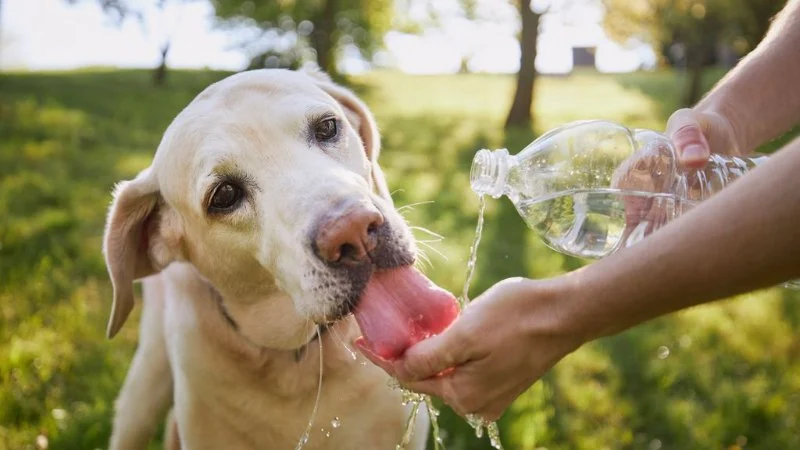
How to Spot and Treat Dehydration in Pets
- 1. Understanding Dehydration in Pets
- 2. Symptoms of Dehydration in Pets
- 3. How to Treat Dehydration in Pets
- 4. Preventing Dehydration in Pets
1. Understanding Dehydration in Pets
Dehydration occurs when a pet loses more fluids than it takes in, disrupting normal bodily functions. Just like humans, pets—especially dogs and cats—are vulnerable to dehydration if they don't drink enough water or if they lose fluids through factors like heat, illness, or physical activity.
Understanding the causes of dehydration can help pet owners act quickly to treat it and prevent more serious health problems. Common causes include vomiting, diarrhea, fever, and excessive panting.
2. Symptoms of Dehydration in Pets
Pets often don't show immediate signs of dehydration, so it's important to know what to look for. Here are some common symptoms of dehydration in pets:
- Dry nose and gums: The nose and gums of a dehydrated pet may feel dry or tacky to the touch.
- Loss of skin elasticity: When you gently pull up your pet's skin, it may not snap back into place as quickly.
- Sunken eyes: Dehydration can cause a pet’s eyes to appear sunken or dull.
- Weakness and lethargy: Pets that are dehydrated may become weak and lethargic, showing little interest in activities they usually enjoy.
- Change in urine output: A decrease in urination or dark-colored urine can also signal dehydration.
If you notice any of these signs, it's crucial to take action immediately, as dehydration can rapidly worsen and lead to organ failure if left untreated.
3. How to Treat Dehydration in Pets
Once you recognize the symptoms of dehydration, the next step is treatment. The best course of action will depend on the severity of dehydration. Here are some general guidelines:
- Offer small amounts of water: Encourage your pet to drink by offering small amounts of fresh water. If your pet refuses to drink, try offering ice cubes or a pet-safe electrolyte solution.
- Use oral rehydration solutions: For pets with mild to moderate dehydration, oral rehydration solutions can help replenish lost fluids and electrolytes.
- Visit the vet: If the dehydration is severe, or if your pet is not drinking water, it’s essential to consult a veterinarian. They may recommend intravenous fluids or other treatments.
In cases where dehydration is caused by an underlying health issue, your veterinarian will provide treatment options tailored to address the specific problem.
4. Preventing Dehydration in Pets
Prevention is always better than cure, and keeping your pet hydrated is easier than dealing with dehydration after it happens. Here are a few tips to prevent dehydration:
- Always provide fresh water: Ensure your pet always has access to clean, fresh water. If you are going on a trip or to the park, bring along water and a bowl.
- Monitor water intake: Keep track of how much water your pet drinks. If they suddenly stop drinking or drink less than usual, this could be a sign of a health issue.
- Avoid heat exposure: Make sure your pet stays cool, especially in hot weather. Provide shade and avoid long walks during peak heat.
- Feed wet food: Some pets may not drink enough water but will consume moisture from wet food. Consider adding more wet food to their diet to boost hydration.
At Brothers Pets, we offer a range of products to help ensure your pet stays hydrated, from water fountains to specialized hydration supplements.


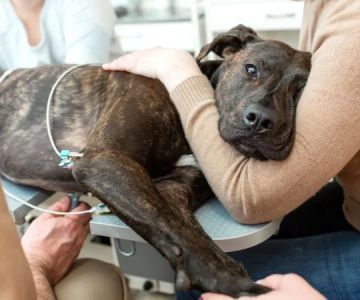
 Academy Animal Hospital4.0 (453 reviews)
 PetVet Vaccination Clinic5.0 (2 reviews)
 Great Lakes Veterinary Behavior Consultants3.0 (7 reviews)
 Animal Medical Center4.0 (353 reviews)
 Cloverleaf Animal Hospital4.0 (194 reviews)
 Brookview Animal Health Center4.0 (260 reviews)
 How to Choose the Right Pet Boarding Facility - A Complete Owner’s Guide
 How to Safely Clean Your Pet’s Ears and Prevent Infections: A Step-by-Step Guide
 How to Recognize and Treat Common Pet Injuries - Expert Guide
 Expert Advice on Emergency Pet Care Every Owner Should Know
 Ways to Keep Your Dog Entertained When Home Alone
 How to Provide Safe and Effective Flea Treatment for Your Pet" — Optimized for the target audience and search engines.