
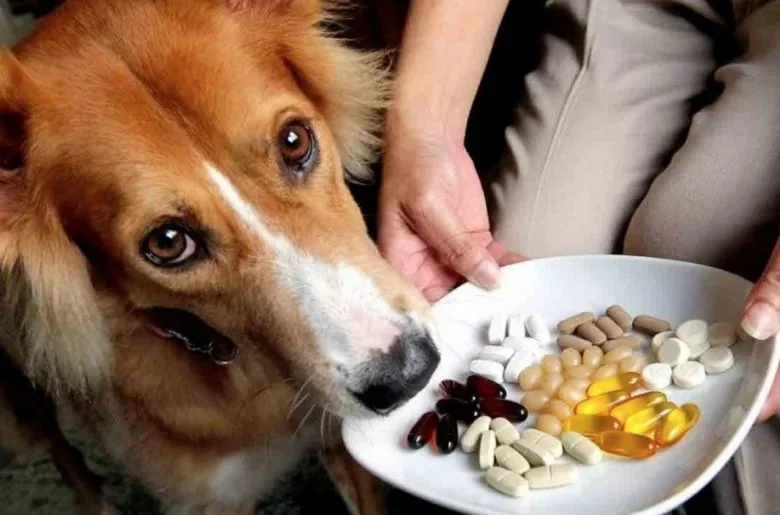
How to Manage Pet Health with the Right Supplements
As a pet owner, keeping your furry friend healthy and active is a top priority. While a balanced diet and regular exercise are essential, pet supplements can play a significant role in filling nutritional gaps and enhancing your pet's overall well-being. In this article, we’ll explore how to effectively manage your pet’s health with the right supplements and which ones are best suited for your pet’s needs.
- The Importance of Pet Supplements
- How to Choose the Right Supplement for Your Pet
- Top Supplements for Pet Health
- Real-World Examples of Supplement Use in Pets
1. The Importance of Pet Supplements
Supplements are not just for humans – they are an important part of a pet's health regimen as well. Pets, like humans, can experience deficiencies in essential vitamins and minerals, especially as they age or if they have specific health conditions. Pet supplements help to ensure your pet is getting all the nutrients they need for optimal health.
Supporting Joint Health and Mobility
Joint problems are common in older pets or active pets, especially dogs. Supplements like glucosamine and chondroitin help support joint health and can reduce the risk of arthritis and other mobility issues. These supplements promote cartilage regeneration, ease inflammation, and maintain flexibility in your pet's joints, which is crucial for maintaining an active lifestyle.
Boosting Immune System Function
Pets need strong immune systems to fight off illnesses and infections. Vitamins such as vitamin C and E, as well as antioxidants, help strengthen the immune system. Regular supplementation with these nutrients can boost your pet's ability to fight off diseases and recover from illnesses more quickly.
2. How to Choose the Right Supplement for Your Pet
Not all pets are the same, and neither are their nutritional needs. Choosing the right supplement depends on your pet's age, breed, size, activity level, and any underlying health conditions they may have. Here’s a guide to help you choose the best supplement for your pet:
Consider Your Pet’s Specific Health Needs
Does your pet have joint pain, digestive issues, or a weakened immune system? Supplements are designed to target specific health needs. For instance, if your pet is suffering from digestive problems, probiotics may be helpful. If they are older or have arthritis, glucosamine and fish oil can promote joint health. Assessing your pet’s current health condition is the first step in choosing the right supplement.
Consult with Your Veterinarian
Before introducing new supplements to your pet’s routine, it’s always a good idea to consult with your veterinarian. They can provide insights into the types of supplements your pet might benefit from based on their health profile. They can also guide you on the correct dosage to ensure the supplement is safe and effective for your pet.
3. Top Supplements for Pet Health
Here are some of the most common and beneficial supplements for pets that can improve their health and quality of life:
1. Glucosamine and Chondroitin
These supplements are ideal for pets with joint issues, helping to improve mobility, reduce pain, and promote cartilage repair. Glucosamine and chondroitin are especially beneficial for senior pets or those that are highly active, as they help maintain healthy joints and bones.
2. Omega-3 Fatty Acids
Fish oil is a rich source of omega-3 fatty acids, which promote heart health, reduce inflammation, and support brain function. Omega-3s are excellent for pets with skin issues, allergies, or cognitive decline. These healthy fats can also improve the condition of your pet's coat, making it shinier and healthier.
3. Probiotics
Probiotics are beneficial bacteria that help maintain a healthy gut. They are especially useful for pets with digestive issues, as they help regulate bowel movements, reduce gas, and improve nutrient absorption. Probiotics also boost your pet’s immune system by supporting a healthy balance of gut flora.
4. Multivitamins
Multivitamins are an excellent way to ensure your pet is getting a broad range of nutrients they may not be receiving from their regular diet. These supplements can fill in nutritional gaps and help support overall health, including energy levels, skin health, and immune function.
5. Antioxidants
Antioxidants like vitamin C and E help fight free radicals in the body, which can damage cells and lead to various health problems. Antioxidant-rich supplements can boost your pet’s immune system and prevent the early signs of aging by protecting against oxidative stress.
4. Real-World Examples of Supplement Use in Pets
Many pet owners have seen positive results from using supplements in their pets’ health routines. Here are a couple of real-world examples of how supplements can make a difference:
Example 1: Helping a Senior Dog with Arthritis
One dog owner shared how their senior Labrador Retriever began struggling with mobility due to arthritis. After adding glucosamine and chondroitin supplements to their dog’s daily routine, they noticed significant improvement in his ability to walk, play, and move around with less pain. This experience shows how targeted supplements can improve a pet's quality of life.
Example 2: Managing Digestive Issues in a Cat
A cat owner with a pet prone to digestive issues introduced a daily probiotic supplement to their cat's diet. After just a few weeks, their cat’s digestive health improved, with fewer stomach upset episodes and a reduction in bloating. Probiotics proved to be a simple and effective solution for managing their cat's gut health.
For more information about pet supplements, tips on pet health, and to find the best products for your furry friend, visit Brothers Pets for expert recommendations and trusted supplements.






 Maine Animal Health Alliance4.0 (65 reviews)
 Massard Creek Animal Hospital4.0 (106 reviews)
 Paris Veterinary Clinic4.0 (566 reviews)
 Ashton Animal Clinic - Kaneville4.0 (48 reviews)
 Banfield Pet Hospital4.0 (145 reviews)
 Petland Grove City4.0 (386 reviews)
 Understanding Pet Obesity: Causes, Risks, and Prevention
 Why Regular Vet Visits Are Crucial Even for Healthy Pets
 How to Provide Care for Your Pet with Diabetes
 How to Choose the Right Pet Insurance Plan
 How to Keep Your Cat Entertained During Rainy Days
 How to Prevent and Treat Dog Ear Mites Effectively in the US