

How to Choose the Right Pet Insurance Plan
Choosing the right pet insurance plan is one of the most important decisions a pet owner can make. With numerous options available, each offering varying levels of coverage and cost, it’s crucial to understand your pet's needs and what each plan offers. In this article, we’ll guide you through the key factors to consider when selecting a pet insurance plan to ensure you get the best value for your furry friend.
- 1. Why Pet Insurance Is Important
- 2. Types of Pet Insurance Plans
- 3. Factors to Consider When Choosing a Pet Insurance Plan
- 4. Cost vs Coverage: Finding the Right Balance
- 5. How to Compare Pet Insurance Plans
1. Why Pet Insurance Is Important
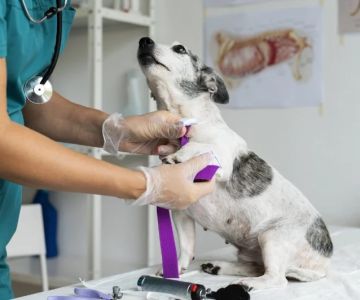
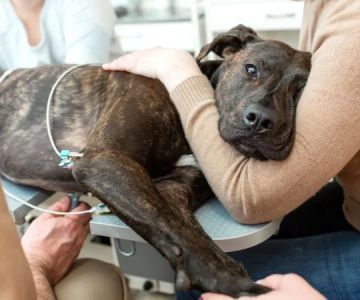
Pets, like humans, can suffer from illnesses and accidents that require medical attention. Veterinary care can be expensive, especially for emergencies or ongoing treatments. Pet insurance can help mitigate the financial burden by covering part or all of the costs for medical procedures, making it easier for pet owners to provide the best possible care for their pets without financial strain.
2. Types of Pet Insurance Plans
Pet insurance plans generally fall into three categories, each offering different levels of coverage:
- Accident-Only Plans: These plans cover injuries caused by accidents, such as broken bones, bites, or car accidents. They are usually more affordable but provide limited coverage.
- Accident and Illness Plans: These plans provide more comprehensive coverage, including both accidents and illnesses like cancer, infections, or allergies. This is the most common type of pet insurance.
- Comprehensive Plans: These plans often include both accidents and illnesses along with wellness coverage (like vaccinations and preventive care). They tend to be more expensive but offer the most extensive protection.
3. Factors to Consider When Choosing a Pet Insurance Plan
Before committing to a pet insurance policy, consider the following factors:
- Pet’s Age and Breed: Some breeds may be predisposed to certain health conditions, which could affect the cost of insurance. Older pets may also incur higher premiums or may be excluded from some plans.
- Coverage Limits: Ensure that the policy provides adequate coverage for your pet’s potential health needs. Some plans may have annual or lifetime limits on payouts, which could be insufficient for major medical events.
- Waiting Periods: Many pet insurance plans have waiting periods before coverage kicks in. Make sure you understand how long you’ll need to wait for coverage to start, especially for accidents or illnesses.
- Exclusions: Review the policy’s exclusions to ensure that it covers the conditions or treatments that are most important for your pet.
4. Cost vs Coverage: Finding the Right Balance
The cost of pet insurance varies depending on factors like the type of plan, the age and breed of your pet, and the level of coverage. While it may be tempting to opt for the least expensive plan, it’s important to strike a balance between cost and coverage. Cheaper plans may not cover essential treatments, leaving you with high out-of-pocket costs if your pet needs extensive care.
5. How to Compare Pet Insurance Plans
When comparing pet insurance plans, consider using comparison websites to view different providers and their plans. Pay attention to:
- Premiums: The monthly or annual cost of the plan.
- Deductibles: The amount you’ll pay out-of-pocket before the insurance kicks in.
- Reimbursement Rates: The percentage of veterinary expenses the insurer will cover.
- Claim Process: Ensure the insurer has a straightforward, quick claim process to reduce the hassle in emergencies.
Choosing the right pet insurance is about finding the right fit for your pet’s needs and your budget. Don’t hesitate to reach out to our experts at Brothers Pets to help you navigate through the options available and find the best plan for your furry family member.



 Chuck & Don's Pet Food & Supplies4.0 (312 reviews)
 Skippack Animal Hospital4.0 (264 reviews)
 Oneta Animal Care4.0 (347 reviews)
 Southeast Texas Equine and Veterinary Hospital, P.L.L.C.4.0 (115 reviews)
 Penny Paws Animal Hospital - DeSoto4.0 (189 reviews)
 Indian Valley Animal Hospital4.0 (197 reviews)
 How to Improve Your Pet’s Travel Safety with Practical Tips and Gear
 Common Mistakes in Parasite Prevention and How to Avoid Them
 Expert Advice on Pet Travel: How to Keep Your Companion Safe and Calm
 How to Teach Your Dog Basic Commands Quickly | Training Tips for Success
 Expert Advice on Seasonal Pet Care: Keep Your Pet Healthy Year-Round
 What Every Pet Owner Should Know About Pet Dental Care