
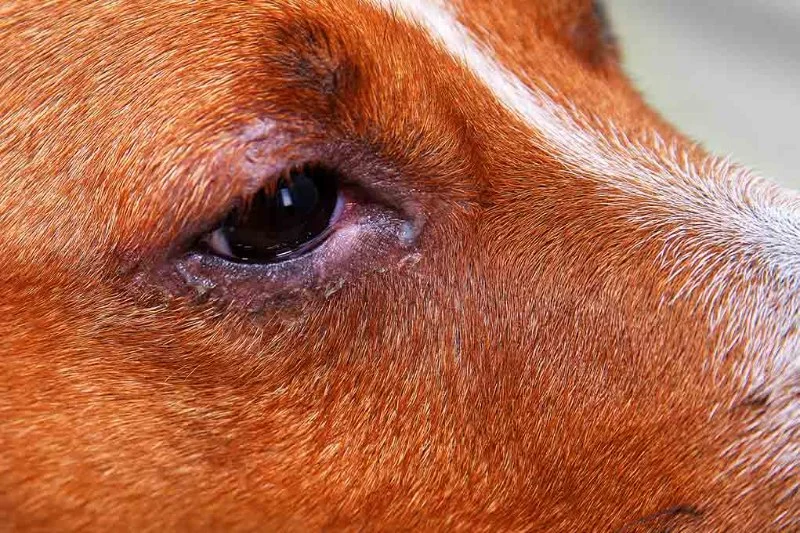
- Common Canine Eye Disorders
- Symptoms of Eye Issues in Dogs
- Preventing Eye Disorders in Dogs
- How to Care for Your Dog's Eyes
- Why Brothers Pets Can Help You Care for Your Dog
Common Canine Eye Disorders
Just like humans, dogs can suffer from a range of eye disorders. Some of these conditions are relatively minor, while others can lead to more serious issues if left untreated. Understanding common canine eye disorders is essential for any pet owner looking to provide the best care for their dog. Here are a few of the most common eye issues in dogs:
1. Conjunctivitis (Pink Eye)
Conjunctivitis is a common condition where the membrane lining the dog's eyelid and the white part of the eye becomes inflamed. It can be caused by allergies, infections, or irritants. Symptoms include redness, excessive tearing, and discharge. Treatment typically involves eye drops or antibiotics, depending on the cause.
2. Cataracts
Cataracts occur when the lens of the eye becomes cloudy, leading to blurry vision or blindness in severe cases. This condition is more common in older dogs, but certain breeds are genetically predisposed to it. Surgery can be an effective treatment option for cataracts if detected early.
3. Glaucoma
Glaucoma is a condition characterized by increased pressure within the eye, which can damage the optic nerve and lead to blindness. Symptoms include a cloudy eye, redness, and a dog rubbing or pawing at the affected eye. Glaucoma requires immediate veterinary attention, and treatment may involve medication or surgery.
4. Dry Eye (Keratoconjunctivitis Sicca)
Dry eye occurs when a dog's tear production is insufficient, leading to dryness and irritation of the eye. It can result in redness, excessive blinking, and discharge. This condition is typically treated with artificial tears or medications that stimulate tear production.
5. Retinal Diseases
Retinal diseases, such as progressive retinal atrophy (PRA), cause degeneration of the retina and can lead to blindness. PRA is often genetic, and while there is no cure, early detection can help manage symptoms and improve a dog's quality of life.
Symptoms of Eye Issues in Dogs
Being aware of the signs and symptoms of eye disorders in dogs is crucial for early diagnosis and treatment. Here are some common symptoms that may indicate an eye problem:
- Excessive tearing or discharge: If your dog’s eyes are watering more than usual or there is a thick discharge, it may be a sign of an infection or irritation.
- Redness or swelling: Redness in the eyes or swollen eyelids can indicate conjunctivitis or other inflammatory conditions.
- Cloudy or dilated pupils: Cloudiness in the eye or abnormal pupil dilation could be a sign of cataracts or glaucoma.
- Rubbing or pawing at the eyes: Dogs that are experiencing discomfort may rub their eyes or paw at their face in an attempt to relieve irritation.
- Reluctance to open eyes or increased squinting: If your dog seems sensitive to light or squints more than usual, they may have an eye problem.
- Changes in behavior: A dog that suddenly becomes less active or shows signs of confusion may have vision problems related to eye disorders.
Preventing Eye Disorders in Dogs
While some eye disorders are genetic or unavoidable, there are several steps you can take to reduce the risk of eye problems in your dog. Preventive care can help ensure your dog’s eyes stay healthy for years to come. Here are some effective ways to prevent eye issues in dogs:
1. Regular Eye Checkups
Regular veterinary checkups are essential for detecting potential eye issues early. During these checkups, your vet will examine your dog’s eyes for signs of common disorders and recommend treatment if needed. Early detection can prevent more serious issues from developing.
2. Keeping Eyes Clean
Cleaning your dog’s eyes regularly helps prevent the buildup of dirt, debris, and discharge that can lead to infections. Use a damp cloth to gently wipe around the eyes and remove any buildup. Be sure to use products that are safe for pets to avoid irritation.
3. Protecting from Injury
In urban areas or outdoor environments, your dog may be exposed to hazards that can cause eye injuries, such as sharp objects or foreign debris. Avoid letting your dog roam in areas where they might encounter dangerous materials. Additionally, consider using protective eyewear for dogs during activities that could lead to eye injury, such as hiking or running in wooded areas.
4. Maintaining Overall Health
Good overall health is essential for eye health. Ensure your dog is on a balanced diet, receives proper hydration, and gets enough exercise. Proper nutrition can boost your dog’s immune system and help prevent conditions like dry eye and cataracts.
How to Care for Your Dog's Eyes
Caring for your dog’s eyes involves regular monitoring, cleaning, and addressing any concerns promptly. Here are some practical tips for eye care:
- Regular inspections: Check your dog’s eyes regularly for signs of irritation, discharge, or cloudiness. Early detection of any issues is key to preventing further damage.
- Hydrate and nourish: Ensure your dog stays hydrated and eats a nutritious diet to support overall health, including eye health.
- Use safe eye products: If your dog has sensitive eyes or is prone to irritation, use eye drops or ointments recommended by your vet.
- Visit the vet regularly: Schedule routine veterinary visits to keep your dog’s eye health in check and address any concerns early on.
Why Brothers Pets Can Help You Care for Your Dog
At Brothers Pets, we are committed to providing the best products and services to ensure your dog’s overall well-being, including their eye health. We offer a range of eye care products, from gentle eye wipes to special medications designed for dog eye issues. Our expert advice and high-quality products will help you keep your dog’s eyes healthy and comfortable.
Visit Brothers Pets today for all your dog’s eye care needs and more!



 Amy Anderson, DVM5.0 (3 reviews)
 Lakeway Animal Hospital4.0 (936 reviews)
 Rentzels Bird Farm4.0 (167 reviews)
 Vetco Vaccination Clinic5.0 (3 reviews)
 Red Bank Veterinary Hospital4.0 (203 reviews)
 CVETS - Veterinary Urgent Care4.0 (88 reviews)
 How to Protect Your Pet’s Paws from Extreme Weather Conditions
 Tips for Reducing Stress in Cats During Vet Visits
 How to Prevent and Treat Ticks and Fleas in Pets
 How to Recognize and Treat Cushing’s Disease in Dogs
 Expert Advice on Parasite Prevention for Pets: Vet Tips and Seasonal Protection
 How to Make Your Home Safe for Senior Pets: Practical Tips and Advice