
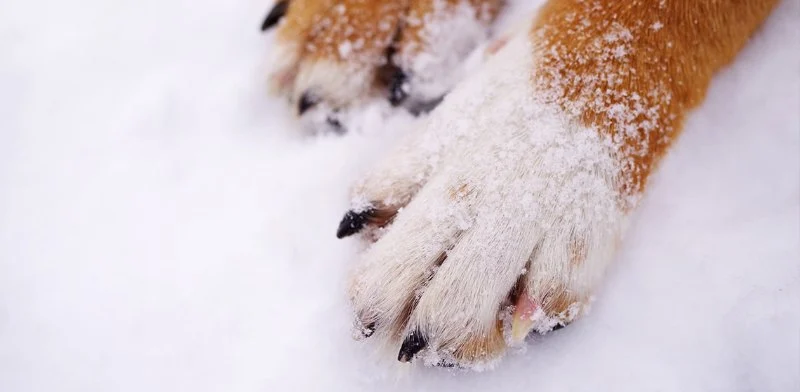
- Why Paw Care is Important for Pets in Extreme Weather
- Protecting Your Pet’s Paws in Winter
- Protecting Your Pet’s Paws in Summer
- Common Paw Injuries and How to Prevent Them
- Real-Life Examples of Paw Care in Extreme Weather
1. Why Paw Care is Important for Pets in Extreme Weather
Extreme weather conditions, whether it's the freezing cold of winter or the scorching heat of summer, can have a significant impact on your pet’s paws. Their paws are their primary means of mobility and protection, and any damage to them can lead to pain, infection, or long-term issues. Just like humans wear shoes to protect their feet, pets need proper paw care to ensure their paws remain healthy, especially during extreme weather.
Without proper care, your pet's paws can suffer from cracked pads, burns, frostbite, or other injuries that can cause discomfort and limit their ability to walk, run, or play. Protecting your pet's paws in both hot and cold conditions is essential for maintaining their overall well-being, and there are simple steps you can take to ensure their feet stay safe and healthy.
2. Protecting Your Pet’s Paws in Winter
Winter presents a unique set of challenges for your pet’s paws. Cold temperatures, snow, and ice can cause dryness, cracks, and even frostbite. It’s crucial to take steps to protect their paws when they’re outside during the winter months.
1. Keep Paw Pads Moisturized: Just like human skin, your pet’s paw pads can dry out and crack during cold weather. To prevent this, apply a pet-safe paw balm or moisturizer to your pet’s paw pads regularly. This will help maintain hydration and protect their paws from the harsh cold.
2. Use Booties: Protective booties are one of the most effective ways to shield your pet’s paws from ice, snow, and cold surfaces. They provide a barrier between the paw pads and the ground, reducing the risk of frostbite and keeping the paws warm and dry. Make sure the booties fit well and are comfortable for your pet to wear.
3. Clean Paws After Walks: After your pet has been outside, clean their paws thoroughly to remove any snow, ice, or chemicals (like salt or antifreeze) they may have come into contact with. These substances can irritate or damage their paw pads if left untreated. Wipe their paws with a damp cloth or use a pet-safe paw cleanser to ensure their paws are free from harmful materials.
4. Avoid Ice and Snow Accumulation: Snow and ice can build up in the fur between your pet’s paw pads, which may cause discomfort or even frostbite if left unchecked. Regularly trim the fur around their paws to prevent this buildup and ensure their paws stay free from snow and ice accumulation.
3. Protecting Your Pet’s Paws in Summer
In the summer, hot pavement, sand, and other surfaces can be just as damaging to your pet’s paws as the cold is in the winter. Protecting your pet’s paws during the summer heat is essential to prevent burns, blisters, and discomfort. Here are some tips to help:
1. Walk During Cooler Times: To avoid scorching hot surfaces, try walking your pet early in the morning or late in the evening when the pavement is cooler. During the day, the sun can heat up the ground, making it dangerous for your pet’s paws.
2. Use Paw Protection Wax: Paw protection wax creates a layer of defense against hot surfaces. You can apply a pet-safe wax on their paw pads before walks to shield them from the heat. This wax helps create a barrier between their sensitive pads and the ground, reducing the risk of burns and damage.
3. Avoid Hot Pavement and Sand: Whenever possible, try to avoid walking your pet on hot pavement or sand. The heat from these surfaces can cause severe burns and pain. If you have to walk on these surfaces, be mindful of how long your pet spends on them, and ensure you’re walking in shaded areas when possible.
4. Hydrate and Rest: Hot weather can cause dehydration, so ensure that your pet has access to fresh water at all times, especially during walks. Give your pet regular breaks in the shade to cool off and rest. Hot weather can lead to fatigue and paw discomfort, so take frequent breaks to ensure their well-being.
4. Common Paw Injuries and How to Prevent Them
Understanding common paw injuries is essential for being proactive in preventing them. Here are some injuries your pet might encounter and how to prevent them:
1. Cracked or Dry Paw Pads: Cold, dry air or hot surfaces can cause your pet’s paw pads to crack. Use paw moisturizers in the winter to keep paws hydrated, and use paw protection wax in the summer to prevent burns and dryness. Regularly inspect your pet's paws for any signs of cracking or damage.
2. Cuts and Scrapes: Paws can become injured by sharp objects, such as broken glass, rocks, or ice. Be cautious during walks and keep an eye on the terrain. If your pet steps on something sharp, clean the wound immediately and apply antiseptic to prevent infection.
3. Burns: Hot pavement, sand, and metal surfaces can burn your pet’s paw pads. Always check the temperature of the ground with your hand before walking your pet. Avoid walking during the hottest parts of the day and consider using protective booties.
5. Real-Life Examples of Paw Care in Extreme Weather
To illustrate the importance of paw care in extreme weather, here are a couple of real-life examples:
1. Mia’s Winter Paws: Mia, an active Labrador, was frequently walking in the snow during winter, and her paws became cracked and irritated. Her owner, Sara, started using a paw balm to keep her paws moisturized and began using booties for walks. The improvement was significant, and Mia no longer showed signs of discomfort.
2. Rocky’s Summer Struggles: Rocky, a golden retriever, suffered from burnt paws after walking on the hot sidewalk during summer. His owner, Jake, started walking him during early mornings and applied paw protection wax before walks. Rocky's paws healed, and he no longer experienced burns.
Protecting your pet’s paws from extreme weather is an essential part of their overall health and well-being. Whether it’s keeping their paws moisturized in winter or shielding them from hot surfaces in the summer, taking the necessary precautions ensures they stay comfortable and injury-free. For more pet care tips and quality products, visit Brothers Pets, where you can find the best items to protect your pet’s paws in all weather conditions.





 Metropolitan Animal Specialty Hospital Outpatient4.0 (86 reviews)
 Smokey Mountain Mobile Veterinary Service4.0 (10 reviews)
 Flynn Michelle DVM5.0 (8 reviews)
 Vetco Vaccination Clinic4.0 (22 reviews)
 Animal Spay-Neuter Clinic4.0 (784 reviews)
 Cobb & Co Veterinary Clinic4.0 (244 reviews)
 The Ultimate Guide to Veterinary Advice
 Best Practices for Feeding Puppies During Growth Stages
 Human Foods That Are Surprisingly Safe for Dogs
 How to Provide Comfort for Pets with Arthritis
 Preventing Obesity in Indoor Dogs with Daily Exercise – Effective Tips
 How to Help Your Pet Cope with New Stressful Situations – Tips for Easing Anxiety