
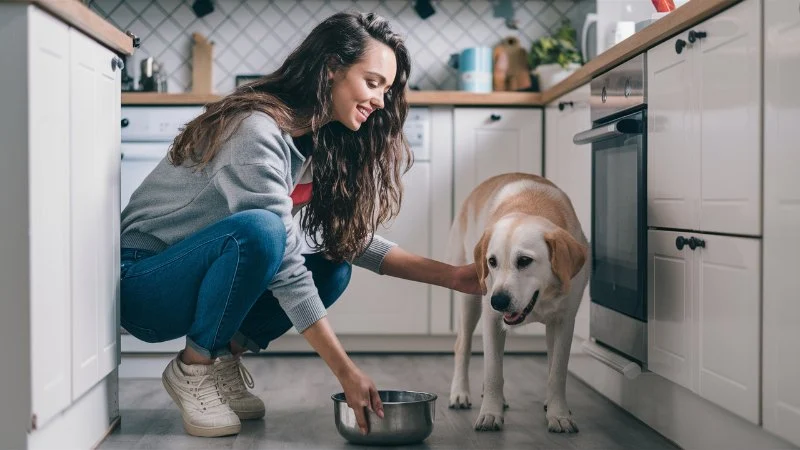
The Ultimate Guide to Treating and Preventing Dog Diarrhea at Home
- 1 - Understanding Dog Diarrhea: Causes and Symptoms
- 2 - Home Remedies for Treating Dog Diarrhea
- 3 - When to See a Vet for Dog Diarrhea
- 4 - How to Prevent Dog Diarrhea in the Future
- 5 - Recommended Products for Treating Dog Diarrhea
1 - Understanding Dog Diarrhea: Causes and Symptoms
Dog diarrhea is a common issue faced by pet owners. It can range from mild to severe, and in most cases, it can be managed at home. However, it's essential to understand the causes and symptoms of dog diarrhea to provide the appropriate care. The main causes of diarrhea in dogs include:
- Dietary Changes: A sudden change in diet or feeding your dog something they shouldn’t eat can trigger diarrhea.
- Food Allergies or Sensitivities: Some dogs are sensitive to specific ingredients, which can cause gastrointestinal issues.
- Infections: Bacterial or viral infections, such as parvovirus, can cause severe diarrhea in dogs.
- Parasites: Worms or other intestinal parasites can lead to chronic diarrhea in dogs.
- Stress: Travel, new environments, or changes in routine can cause stress-related diarrhea in some dogs.
The symptoms of dog diarrhea include loose or watery stools, vomiting, loss of appetite, and lethargy. If your dog experiences any of these, it’s essential to monitor their condition closely and consider taking action at home.
2 - Home Remedies for Treating Dog Diarrhea
When your dog experiences mild diarrhea, there are several home remedies you can try to alleviate their discomfort and help them recover. Here are some effective treatments:
- Fasting: Giving your dog’s digestive system a break by withholding food for 12-24 hours can help reset their gut and reduce diarrhea.
- Plain Rice and Boiled Chicken: Once the fasting period is over, feed your dog a bland diet of boiled chicken and plain rice. This easy-to-digest food can help firm up their stool.
- Probiotics: Adding probiotics to your dog’s diet can help restore the balance of good bacteria in their gut, aiding digestion and reducing diarrhea.
- Pumpkin Puree: A common home remedy, canned pumpkin (not the spiced pie filling) is rich in fiber and can help firm up your dog’s stool.
These remedies can often resolve mild diarrhea in dogs within a day or two. However, if the symptoms persist or worsen, further action may be needed.
3 - When to See a Vet for Dog Diarrhea
While mild diarrhea can be treated at home, there are times when professional veterinary care is necessary. You should consult a veterinarian if your dog experiences:
- Severe or Persistent Diarrhea: If diarrhea lasts more than 48 hours, it could indicate a more serious condition that requires professional attention.
- Vomiting or Blood in Stool: If your dog is vomiting or there’s blood in their stool, it’s crucial to seek immediate veterinary help.
- Signs of Dehydration: Excessive diarrhea can lead to dehydration. Watch for signs such as dry gums, lethargy, and loss of skin elasticity.
- Behavioral Changes: If your dog becomes lethargic, refuses to eat, or shows signs of pain, a vet visit is necessary.
In these cases, a veterinarian will conduct tests, such as stool samples or blood work, to determine the underlying cause of the diarrhea and provide appropriate treatment.
4 - How to Prevent Dog Diarrhea in the Future
While you can’t always prevent dog diarrhea, there are several proactive steps you can take to reduce the likelihood of it happening again:
- Consistent Diet: Avoid sudden changes in your dog’s diet. Gradually introduce new food if you need to switch, and stick to high-quality, well-balanced meals.
- Regular Deworming: Keep your dog on a regular deworming schedule as prescribed by your veterinarian to prevent intestinal parasites.
- Hydration: Ensure your dog has access to fresh water at all times to prevent dehydration, especially if they are prone to diarrhea.
- Limit Access to Harmful Foods: Prevent your dog from eating human food, garbage, or anything that could upset their stomach.
By maintaining these habits, you can significantly reduce the chances of your dog experiencing diarrhea in the future.
5 - Recommended Products for Treating Dog Diarrhea
There are several products available that can help manage and treat dog diarrhea. Some of the top recommendations include:
- Probiotic Supplements: These help restore the balance of healthy bacteria in your dog’s gut, aiding in digestion and improving stool consistency.
- Digestive Enzyme Supplements: These supplements can help improve digestion and nutrient absorption, which may prevent or alleviate diarrhea.
- Hydration Solutions: Oral rehydration solutions are designed to prevent dehydration caused by diarrhea and help maintain electrolyte balance.
If you’re looking for trusted products to manage your dog’s health, check out Brothers Pets, where you can find a range of digestive supplements and diarrhea remedies for dogs.


 Southside Veterinary Clinic4.0 (298 reviews)
 Hamilton Crossing Animal Hospital4.0 (337 reviews)
 Abbey Animal Hospital4.0 (316 reviews)
 Moonlit Marsupials0.0 (0 reviews)
 VIP Petcare Vaccination Clinic0.0 (0 reviews)
 Hall, Katrina DVM5.0 (2 reviews)
 Understanding Pet Arthritis: Symptoms and Management
 Parasite Prevention: What Vets Want You to Know - Expert Tips for Pet Care
 htmlCopy codeHow to Keep Your Pet Safe from Household Poisons
 Maintaining Healthy Weight for Indoor Cats: Essential Tips
 Tips for Maintaining Proper Hydration in Dogs: Essential Care for Your Pet
 The Dos and Don'ts of Veterinary Advice: Protecting Your Pet with Confidence