

- 1-Introduction
- 2-Common Household Poisons for Pets
- 3-How to Prevent Exposure to Poisons
- 4-Signs Your Pet Has Been Poisoned
- 5-What to Do in Case of Poisoning
- 6-Creating a Safe Home for Your Pets
- 7-Real-Life Examples of Pet Poisoning Cases
1. Introduction
As pet owners, it's our responsibility to ensure that our furry friends are safe from potential hazards in our homes. One of the most significant risks they face is exposure to household poisons. From common cleaning products to everyday food items, pets can be easily exposed to toxic substances without us even realizing it. This article provides essential information on how to keep your pet safe from household poisons, including identifying dangerous substances and creating a pet-friendly environment.
2. Common Household Poisons for Pets
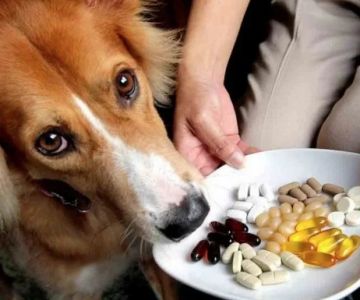
Many everyday household items are toxic to pets. Knowing which substances pose a risk can help prevent accidental exposure. Below are some of the most common household poisons that can affect pets:
2.1 Cleaning Products
Household cleaning products like bleach, ammonia, and disinfectants can be highly toxic to pets. Even if these products are used in well-ventilated areas, pets can still come into contact with residues left on floors, countertops, or furniture. Always store cleaning products in cabinets that your pets cannot access, and opt for pet-safe cleaning alternatives when possible.
2.2 Human Foods
Many foods that are perfectly safe for humans can be toxic to pets. Chocolate, grapes, raisins, onions, and garlic are just a few examples of foods that can cause severe harm to animals. Be mindful of what your pet has access to, especially during meal preparation or when you have visitors who might inadvertently feed them harmful treats.
2.3 Plants
Several common household plants, such as lilies, azaleas, and poinsettias, can be toxic to pets if ingested. These plants are often kept in decorative pots or placed in areas where pets have access. Make sure to research the toxicity of any plants in your home and place them in areas that pets cannot reach.
3. How to Prevent Exposure to Poisons
Preventing poisoning is the best way to protect your pets. Here are a few tips for keeping your pet safe from household toxins:
3.1 Secure Toxic Substances
Store all toxic substances, including cleaning products, medicines, and chemicals, in locked cabinets or high shelves that pets cannot reach. Never leave these items unattended in areas where pets may come into contact with them.
3.2 Be Cautious with Food
Keep all human food out of reach. Make sure that food scraps and leftovers are disposed of securely, and be careful when cooking or baking. Inform all family members and visitors about the risks of feeding pets harmful food items.
3.3 Pet-Safe Plants
When selecting plants for your home, choose those that are safe for pets. If you're unsure, look for non-toxic alternatives that are safe for animals, or place all potentially dangerous plants in areas that are inaccessible to pets.
4. Signs Your Pet Has Been Poisoned
If your pet has been exposed to a toxin, it's important to act quickly. Common signs of poisoning in pets include:
4.1 Vomiting and Diarrhea
Vomiting or diarrhea can be signs that your pet has ingested something toxic. If the symptoms persist or worsen, it’s important to consult a veterinarian immediately.
4.2 Lethargy or Disorientation
If your pet appears unusually tired, disoriented, or unsteady, it could be a sign of poisoning. Keep an eye out for any changes in behavior that could indicate distress.
4.3 Seizures and Tremors
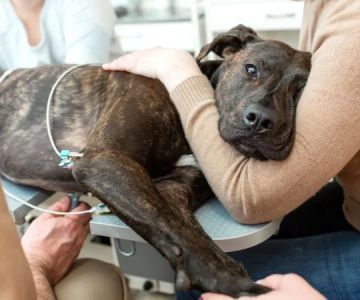
Severe poisoning can cause more serious symptoms like seizures or tremors. If your pet is experiencing these symptoms, it is a medical emergency, and immediate treatment is necessary.
5. What to Do in Case of Poisoning
If you suspect your pet has been poisoned, acting quickly is crucial. Follow these steps:
5.1 Contact a Veterinarian
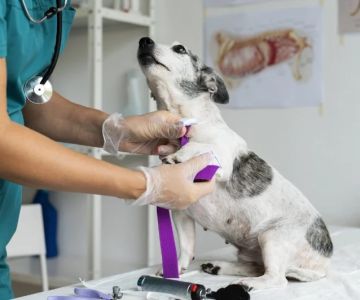
Call your veterinarian or an emergency animal poison control hotline as soon as possible. They can advise you on the next steps and whether your pet needs immediate care.
5.2 Induce Vomiting (If Advised)
If instructed by a professional, you may need to induce vomiting to remove the poison from your pet’s system. However, this should only be done under the guidance of a veterinarian, as some poisons can cause more harm if vomited.
5.3 Monitor Symptoms
While waiting for veterinary assistance, closely monitor your pet’s symptoms. Keep them calm and comfortable, and try to prevent them from further exposure to any toxins.
6. Creating a Safe Home for Your Pets
Creating a safe and pet-friendly home environment is key to preventing poisoning incidents. Consider the following tips:
6.1 Pet-Proofing Your Home
Just like you would childproof your home, pet-proofing your living space can help prevent accidents. Keep hazardous substances and objects out of reach, and regularly inspect your home for potential dangers.
6.2 Educating Family Members
Ensure that all family members and guests are aware of what is safe and unsafe for your pets. This can prevent accidental poisoning, such as leaving food unattended or forgetting to secure dangerous items.
7. Real-Life Examples of Pet Poisoning Cases
Many pet poisoning cases could have been prevented with the right precautions. One case involved a dog who ingested a small amount of chocolate left on the counter. The dog showed signs of vomiting and lethargy but was treated successfully with quick veterinary care. This case highlights the importance of securing food and other potentially harmful substances in your home.
In another instance, a cat was poisoned by chewing on a toxic plant. The owners didn't realize the plant was dangerous until the cat became ill. Fortunately, the cat recovered with prompt treatment, but this situation shows how vital it is to research the plants in your home and keep them out of your pet’s reach.
For more tips on keeping your pet safe from household poisons and other pet care advice, visit Brothers Pets for the best products and services for your furry friend.


 Academy Animal Hospital4.0 (453 reviews)
 PetVet Vaccination Clinic5.0 (2 reviews)
 Great Lakes Veterinary Behavior Consultants3.0 (7 reviews)
 Animal Medical Center4.0 (353 reviews)
 Cloverleaf Animal Hospital4.0 (194 reviews)
 Brookview Animal Health Center4.0 (260 reviews)
 How to Choose the Right Pet Boarding Facility - A Complete Owner’s Guide
 How to Safely Clean Your Pet’s Ears and Prevent Infections: A Step-by-Step Guide
 How to Recognize and Treat Common Pet Injuries - Expert Guide
 Expert Advice on Emergency Pet Care Every Owner Should Know
 Ways to Keep Your Dog Entertained When Home Alone
 How to Provide Safe and Effective Flea Treatment for Your Pet" — Optimized for the target audience and search engines.