
- 1-understanding-what-counts-as-a-pet-emergency
- 2-immediate-steps-to-take-in-an-emergency
- 3-common-emergency-scenarios-and-how-to-respond
- 4-veterinarian-approved-tips-and-insights
- 5-why-having-a-pet-emergency-plan-matters
1. Understanding What Counts as a Pet Emergency
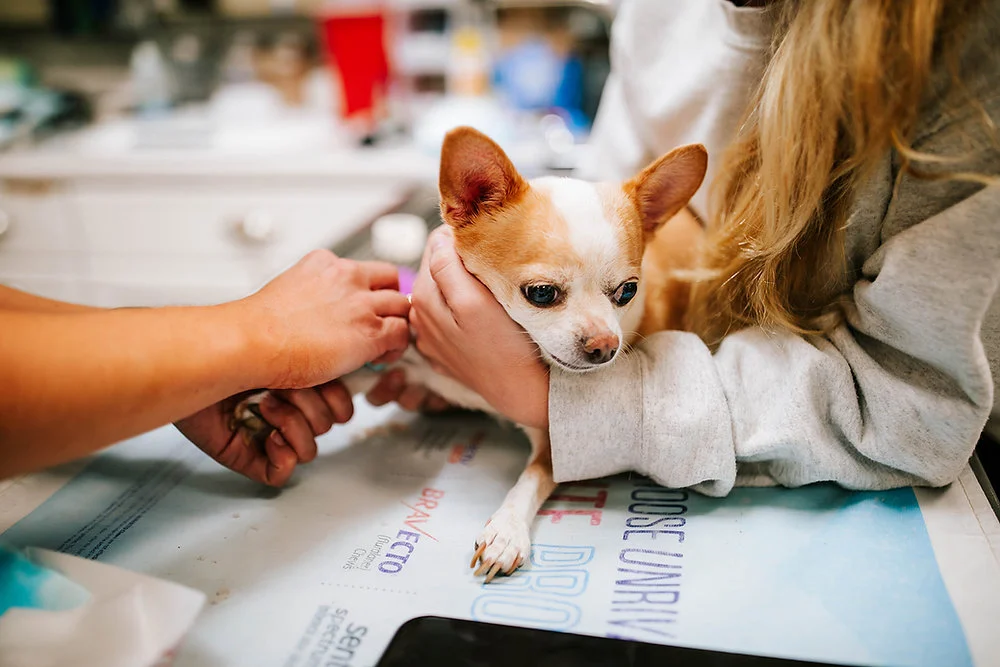
Knowing when your pet needs urgent care can be the difference between life and death. According to expert advice on emergency pet care, an emergency may include choking, seizures, difficulty breathing, sudden collapse, continuous vomiting, or ingesting toxic substances. Even behavioral changes like sudden aggression or disorientation could signal serious issues.
Not all emergencies are dramatic. A subtle limp or refusal to eat might not look alarming, but for a senior pet or one with a chronic illness, it could mean a rapid decline is on the horizon. Trust your instincts—if something feels off, it's worth checking.
2. Immediate Steps to Take in an Emergency
When every second counts, knowing what to do can calm panic and save your pet. First, stay composed. Your pet can sense stress, and a calm presence matters. If your dog is bleeding or your cat is in respiratory distress, apply basic first aid: control bleeding with clean cloth, avoid restrictive bandaging, and keep your pet warm.
Always call a vet or emergency animal hospital on the way. Provide clear details: your pet's symptoms, time of incident, and any known triggers. Many experts recommend having an emergency vet kit on hand with essentials like gauze, hydrogen peroxide, tweezers, and a digital thermometer.
You can explore a curated range of emergency pet care essentials through Brothers Pets, where every product is veterinarian-reviewed and adventure-ready.
3. Common Emergency Scenarios and How to Respond
Let’s look at a few real-world cases to highlight how fast, informed action makes all the difference.
Case #1: A Labrador in Phoenix consumed a sock and showed signs of abdominal pain. His owner hesitated, assuming it would pass. By the time they reached the vet, the dog needed emergency surgery due to intestinal blockage. Lesson: foreign object ingestion is time-sensitive—don’t wait.
Case #2: A Maine Coon in Boston developed labored breathing after licking spilled antifreeze. The quick-thinking owner rushed the cat in, recalling that even small antifreeze amounts are deadly. Antifreeze poisoning moves fast and is often fatal without swift treatment.
Other scenarios include overheating, insect bites leading to anaphylaxis, or internal injuries after falls. Familiarizing yourself with these responses before they occur means you’ll be ready when the moment hits.
4. Veterinarian-Approved Tips and Insights
Emergency vets often say the biggest mistake pet owners make is underestimating symptoms. Dr. Lily Tran, DVM, emphasizes, “If your pet is not acting like themselves and the behavior lasts more than 30 minutes, consider it urgent.”
Other insights from professionals include:
- Keep digital copies of your pet’s medical history for fast access.
- Avoid Google diagnoses—symptoms overlap between mild and critical issues.
- Never give human medications unless directed by a vet.
- Know your nearest 24-hour animal hospitals, even when traveling.
Routine checkups help spot health problems early, reducing the chance of emergencies. Many of the products and care plans recommended by Brothers Pets include proactive wellness tools that prepare you before emergencies even arise.
5. Why Having a Pet Emergency Plan Matters
A solid emergency plan isn’t paranoia—it’s love in action. When your dog bolts into traffic or your cat eats a mystery plant, there’s no time to hesitate. Keep your vet’s contact information visible, prepare transportation options, and maintain a well-stocked emergency kit.
Also consider pet insurance. While not every plan covers emergencies, many do. It can relieve financial pressure and let you act quickly without second-guessing costs. Include family members in the plan—assign responsibilities, rehearse the steps, and keep emergency numbers in everyone’s phone.
Ultimately, the goal is simple: make the worst moment easier. Through proper planning, reliable gear, and trusted guidance from places like Brothers Pets, you give your furry companions their best chance when it matters most.




 Pet Nation Veterinary Care Center4.0 (130 reviews)
 Burton D. Miller, D.V.M1.0 (1 reviews)
 Grey Birds5.0 (2 reviews)
 Repxotica, Inc4.0 (249 reviews)
 VIP Petcare Vaccination Clinic0.0 (0 reviews)
 Tinker Veterinary Treatment Facility4.0 (77 reviews)
 The Dos and Don’ts of Pet Diseases: What Every Pet Owner Should Know
 Understanding Canine Eye Disorders and Prevention: A Guide for Dog Owners
 Preventing and Managing Obesity in Indoor Cats – Expert Tips
 How to Make Your Home Safe for Senior Pets | Expert Tips
 Human Foods That Are Surprisingly Safe for Dogs
 The Dos and Don'ts of Pet Grooming