
The Dos and Don'ts of Pet Grooming
- 1. Why Pet Grooming Matters
- 2. The Dos of Pet Grooming
- 3. The Don’ts of Pet Grooming
- 4. Grooming Tips for Different Pets
- 5. Choosing the Right Grooming Tools
- 6. How to Prepare Your Pet for Grooming
- 7. Recommended Products and Services
Pet grooming is more than just a way to keep your pet looking good—it’s also essential for their health and well-being. Regular grooming helps maintain your pet's hygiene, prevents matting, and reduces the risk of skin infections. Grooming is also a great opportunity to check for signs of potential health issues, like ear infections, skin conditions, or parasites. But how do you ensure you're grooming your pet the right way? In this article, we’ll explore the dos and don’ts of pet grooming to help you take the best care of your furry friend.
Importance of Grooming
Grooming not only keeps your pet looking its best but also provides a closer connection with your animal. It can reduce shedding, prevent tangles and mats, and help you bond with your pet. Grooming can also improve their comfort by keeping their coat clean and healthy and preventing any buildup of dirt or bacteria.
Now that we understand why grooming is important, let’s look at the essential dos of pet grooming to ensure it’s done correctly and with care.
1. Brush Regularly
One of the most important aspects of pet grooming is brushing. Regular brushing keeps your pet's coat smooth, removes dead hair, and helps prevent mats. For long-haired pets, brushing is especially important to avoid tangling and matting. Even short-haired pets benefit from brushing to remove loose hair and dirt.
2. Bathe as Needed
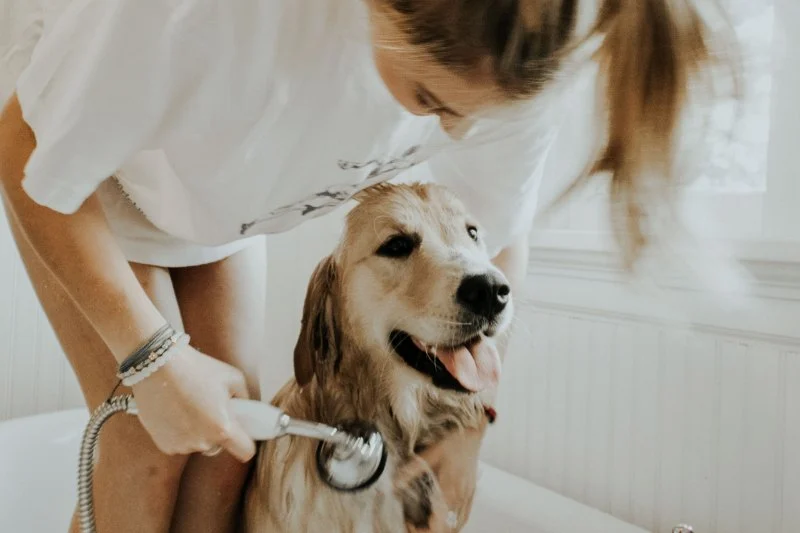
Bathing your pet is another crucial part of grooming, but it should be done in moderation. Over-bathing can strip the natural oils from their skin, leading to dryness and irritation. Depending on your pet’s activity level and coat type, bathing once a month is usually sufficient. Always use pet-specific shampoos to avoid irritation and dryness.
3. Trim Nails Regularly
Long nails can be uncomfortable for your pet and may lead to health issues like joint problems. Regular nail trimming is essential, especially for indoor pets that don’t naturally wear their nails down on rough surfaces. If you're unsure how to trim your pet’s nails, it’s always a good idea to seek professional grooming help.
4. Clean Ears and Teeth
Pet grooming goes beyond the fur. Regular ear cleaning is essential to prevent infections, especially for pets with floppy ears. Additionally, brushing your pet’s teeth regularly is crucial for preventing dental issues and bad breath. You can find special pet toothbrushes and toothpaste to make this process easier.
While there are many essential dos when grooming your pet, there are also some things to avoid. Here are the don’ts of pet grooming to keep in mind:
1. Don’t Over-Bathe Your Pet
As mentioned earlier, over-bathing your pet can lead to dry skin and irritate their coat. Avoid using human shampoos, as they can be too harsh for your pet’s sensitive skin. Stick to pet-friendly shampoos that are designed to preserve the natural oils in their skin and coat.
2. Don’t Use Human Grooming Tools
When grooming your pet, always use tools designed specifically for animals. Human combs, brushes, and nail clippers are not suitable for pets and can cause discomfort or injury. Invest in quality grooming tools that are designed for your pet’s size, breed, and coat type.
3. Don’t Force the Grooming Process
Grooming should be a positive experience for both you and your pet. Don’t force your pet into the grooming process, especially if they’re showing signs of distress. If your pet is anxious or uncomfortable with grooming, take breaks or try desensitizing techniques to help them get used to the process gradually.
4. Don’t Ignore Grooming During Winter
While pets may shed less during colder months, grooming is still essential during winter. Matting can still occur, and regular grooming helps your pet maintain a healthy coat. Be sure to keep your pet clean and well-groomed to prevent discomfort and potential skin problems.
Different pets have different grooming needs. Here are some tips for grooming various types of pets:
1. Dogs
Dog grooming depends on the breed and coat type. Long-haired breeds, like Shih Tzus or Collies, require frequent brushing to prevent tangles and mats. Short-haired dogs, like Beagles, need less brushing but still benefit from regular maintenance to keep their coat healthy. Regular nail trimming and ear cleaning are also necessary for all breeds.
2. Cats
While cats groom themselves, regular brushing is still important, especially for long-haired breeds like Persians. Cats can suffer from hairballs if their coat becomes too matted or tangled. Regular brushing helps prevent this and reduces shedding. Cats also need their nails trimmed and their ears checked for cleanliness.
3. Small Animals (Rabbits, Guinea Pigs, Hamsters)
Smaller animals may require less frequent grooming but still benefit from regular brushing and nail trims. For rabbits and guinea pigs, it’s essential to clean their fur to avoid matting, particularly in long-haired breeds. Always check their nails and ears during grooming sessions.
Selecting the right grooming tools is crucial for effective and safe pet grooming. Here are some recommendations:
1. Brushes and Combs
Choose brushes and combs based on your pet’s coat type. For long-haired pets, use a pin brush or slicker brush to remove tangles and mats. For short-haired pets, a bristle brush is perfect for removing loose hair and dirt.
2. Nail Clippers
Invest in high-quality pet nail clippers. Guillotine-style clippers work well for most pets, while scissor-style clippers may be better for larger dogs. Make sure the clippers are sharp and easy to use.
3. Shampoos and Conditioners
Always use pet-specific shampoos and conditioners to protect your pet’s skin. Look for gentle, hypoallergenic formulas that are free of harsh chemicals. If your pet has a specific skin condition, ask your vet for recommendations on specialized products.
Preparing your pet for grooming can make the experience more comfortable for both you and your pet. Here are some tips to get your pet ready:
1. Start Early
If your pet is a puppy or kitten, start grooming early to help them get used to the process. Gradually introduce them to the grooming tools and make the experience positive with plenty of treats and praise.
2. Create a Calm Environment
Ensure that your grooming space is quiet and free from distractions. This will help your pet stay calm and relaxed during the grooming session. You can also play soothing music to help set the mood.
3. Be Patient
Patience is key to grooming success. Take your time and allow your pet to adjust to the grooming process. If your pet becomes anxious, take a break and resume later. Always reward them with treats and affection to create a positive association.
For the best grooming tools and products, check out Brothers Pets. We offer a wide selection of high-quality grooming supplies for dogs, cats, and small animals. Whether you're a first-time groomer or an experienced pet owner, we have everything you need to keep your pet looking and feeling their best.
Top Grooming Products and Services
At Brothers Pets, we provide professional grooming services as well as a variety of tools and products to ensure your pet’s grooming experience is seamless. Explore our grooming kits, brushes, shampoos, and more to give your pet the care they deserve.
In conclusion, pet grooming is an essential part of maintaining your pet's health and well-being. By following the dos and don'ts of grooming, using the right tools, and ensuring a positive experience for your pet, you’ll be able to enjoy a well-groomed and happy companion. Visit Brothers Pets for all your grooming needs and expert advice!



 Lovet Pet Health Care - Roadrunner4.0 (988 reviews)
 Cypress Veterinary Hospital4.0 (251 reviews)
 Timber Ridge Animal Medical Center4.0 (231 reviews)
 VIP Petcare Vaccination Clinic0.0 (0 reviews)
 Amherst Small Animal Hospital4.0 (70 reviews)
 Pardeeville Veterinary Hospital4.0 (226 reviews)
 Top 7 Tips for Pet Safety Every Owner Should Know
 How to Help a Cat Adjust to a New Home Environment: Expert Tips and Advice
 The Importance of Regular Exercise for Your Pet – Healthy Habits with Brothers Pets
 How to Clean Your Cat’s Ears Safely at Home in 2024
 What Every Pet Owner Should Know About Pet Aging
 The Benefits of Regular Playtime for Mental Health in Pets