
- Why Grooming Is Important for Long-Haired Dogs
- Benefits of Regular Grooming for Long-Haired Dogs
- Essential Grooming Techniques for Long-Haired Dogs
- Common Grooming Mistakes to Avoid
- How Often Should You Groom Your Long-Haired Dog?
- Why You Should Check Out Brothers Pets
Why Grooming Is Important for Long-Haired Dogs
Long-haired dog breeds, with their beautiful, flowing coats, require special care to keep them healthy and looking their best. Regular grooming is not only about maintaining their appearance but also about preventing health issues that can arise from neglecting their fur. For dog owners, understanding the importance of grooming is essential to ensure your long-haired dog remains comfortable and happy.
In this article, we’ll explore why regular grooming is vital for long-haired dog breeds and provide some essential tips and techniques to help you keep your dog’s coat shiny, smooth, and tangle-free.
Benefits of Regular Grooming for Long-Haired Dogs
Grooming is more than just a beauty treatment for your dog. It offers several benefits that directly impact their health and comfort:
1. Preventing Matting and Tangles
Long hair can easily become matted if not properly cared for. Matting occurs when the fur gets tangled and twisted, leading to uncomfortable knots in your dog’s coat. If left untreated, these mats can lead to skin irritation, discomfort, and even infection. Regular grooming helps prevent matting and keeps the coat smooth and manageable.
2. Reducing Shedding
Although all dogs shed, long-haired breeds can shed significantly more hair. Regular grooming helps to control shedding by removing loose hair and preventing it from accumulating around your home. This not only keeps your living space cleaner but also reduces the amount of fur your dog swallows while grooming themselves, helping to prevent digestive issues like hairballs.
3. Promoting Skin Health
Long-haired dogs often have more skin folds where dirt and debris can accumulate. Regular grooming helps remove dirt, bacteria, and oils that can lead to skin problems. Additionally, brushing stimulates blood circulation, which can contribute to healthier skin and a shiny coat.
4. Identifying Health Problems Early
While grooming your long-haired dog, you have the opportunity to check for potential health issues such as fleas, ticks, and skin infections. Early detection of these issues allows you to address them before they become serious problems. Grooming also gives you a chance to check your dog’s ears, teeth, and paws, ensuring overall health.
Essential Grooming Techniques for Long-Haired Dogs
Grooming long-haired dogs requires patience and the right techniques. Here are some essential grooming tips to keep your dog looking their best:
1. Brushing
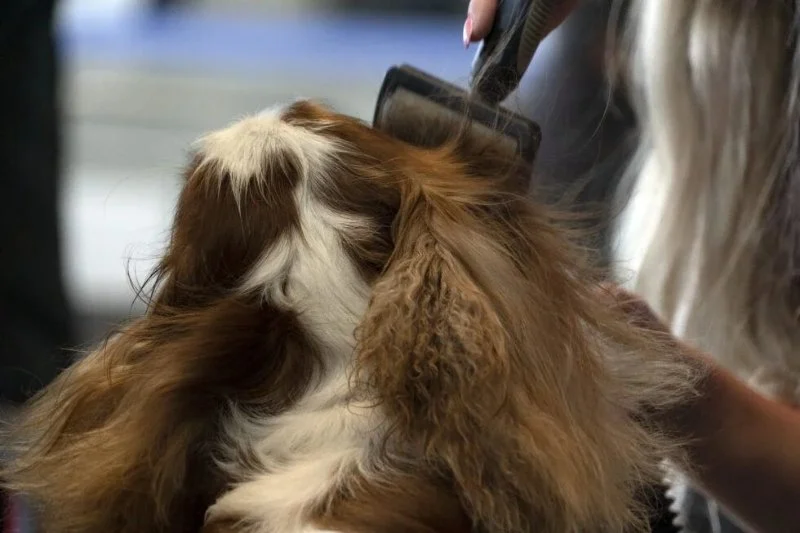
Brushing is the most important part of grooming long-haired dogs. Use a high-quality brush designed for your dog's coat type. For example, a slicker brush works well for dogs with fine or wavy coats, while a pin brush is great for dogs with thicker fur. Aim to brush your dog’s coat at least two to three times a week to prevent tangling and matting.
2. Bathing
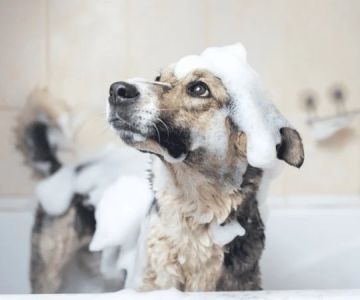
Long-haired dogs should be bathed regularly, but not too often, as excessive bathing can strip the coat of essential oils. Use a gentle, dog-safe shampoo, and ensure your dog is thoroughly dried afterward. For long-haired breeds, consider using a conditioner to help detangle and smooth their fur.
3. Trimming
Trimming your dog’s coat is essential to keep it manageable and comfortable. Regular trims prevent the coat from becoming too long and unkempt. If you're not experienced in trimming, consider taking your dog to a professional groomer to ensure the coat is shaped properly without causing any discomfort.
4. Nail Care
While not directly related to their long hair, maintaining proper nail care is essential for overall grooming. Long nails can cause discomfort and lead to walking issues. Regular nail trims are necessary to keep your dog’s feet healthy and functional.
Common Grooming Mistakes to Avoid
While grooming your long-haired dog, there are some common mistakes to watch out for:
1. Over-Bathing
Bathing your dog too frequently can dry out their skin and coat. Long-haired dogs do not need a bath every week. Instead, try to bathe them every four to six weeks or when necessary.
2. Using Human Grooming Products
Human shampoos and conditioners are not suitable for dogs. They can be too harsh and lead to skin irritation. Always use products specifically designed for pets to ensure their skin and coat stay healthy.
3. Neglecting Regular Brushing
Neglecting to brush your dog regularly is one of the most common grooming mistakes. Without regular brushing, your dog’s coat can easily become matted and tangled, which can cause discomfort and lead to skin issues.
How Often Should You Groom Your Long-Haired Dog?
The frequency of grooming depends on your dog’s specific breed, lifestyle, and coat condition. As a general rule:
- Brush your dog’s coat at least two to three times a week.
- Bathtime should be scheduled every four to six weeks.
- Trim your dog’s coat every 6 to 8 weeks, or as needed to keep it manageable.
Why You Should Check Out Brothers Pets
For all your grooming needs, Brothers Pets offers top-quality grooming tools, products, and expert advice for long-haired dog care. Whether you need brushes, shampoos, or professional grooming services, Brothers Pets has everything to keep your furry friend looking great and feeling comfortable. Visit our website today for more information and recommendations!




 Houston Aquarium Warehouse4.0 (273 reviews)
 Veterinary Center at Fishhawk4.0 (321 reviews)
 Economico Animal Hospital4.0 (627 reviews)
 Pet Health Clinic4.0 (278 reviews)
 VIP Petcare Vaccination Clinic0.0 (0 reviews)
 Ironhorse Veterinary Care4.0 (64 reviews)
 The Benefits of Regular Vet Check-Ups for Your Pet
 The Role of Nutrition in Your Pet's Overall Health - Essential Tips for Pet Owners
 The Ultimate Guide to Safe Dog Toys for Chewers: Durable & Non-Toxic Options
 How to Encourage Healthy Eating Habits in Puppies: Tips for a Happy, Healthy Pup
 Top 7 Tips for Pet Training: Build Positive Habits with Confidence
 Top 12 Tips for Pet Diseases