
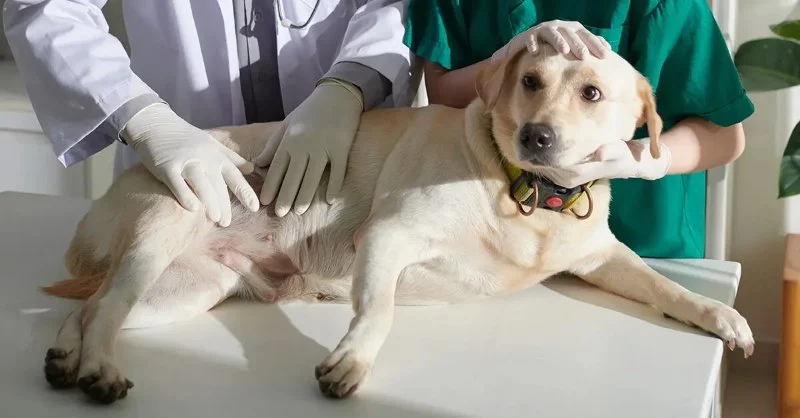
1. Understanding Bloat in Dogs
Bloat, also known as gastric dilatation-volvulus (GDV), is a serious and potentially life-threatening condition that affects dogs. It occurs when the stomach fills with gas, food, or fluid and then twists, which can cause the blood supply to the stomach to be cut off. This is a medical emergency that requires immediate attention.
2. What Causes Bloat in Dogs?
Bloat in dogs can be caused by several factors, although its exact cause is not always clear. Some of the most common contributing factors include:
- Large meals or overeating, especially for dogs that tend to eat quickly.
- Genetics, as certain dog breeds are more prone to bloat (e.g., Great Danes, Doberman Pinschers, and Saint Bernards).
- Exercise immediately after eating, which can exacerbate the likelihood of bloating.
Understanding these risk factors can help prevent bloat from occurring, but recognizing the symptoms is key to timely treatment.
3. Symptoms of Bloat in Dogs
3.1. Signs to Watch For
Recognizing the signs of bloat is essential in order to act quickly. Common symptoms include:
- Abdominal swelling or distension.
- Pacing, restlessness, or drooling excessively.
- Unsuccessful attempts to vomit or defecate.
- Rapid breathing or panting, which could signal shock.
If you notice any of these symptoms in your dog, it’s crucial to seek immediate veterinary care. The sooner treatment is administered, the better the chances of survival and recovery.
4. Treating Bloat in Dogs
4.1. Emergency Treatment
If you suspect your dog is suffering from bloat, it’s important to get them to a veterinarian as quickly as possible. The vet will typically perform diagnostic tests, such as X-rays, to confirm the presence of bloat. Treatment often involves decompressing the stomach by using a needle to release gas or fluids, and in some cases, surgery is required to untwist the stomach.
In an emergency, time is of the essence. Bloat progresses rapidly, so don’t delay seeking help. If untreated, it can be fatal within a few hours.
4.2. Preventing Bloat
While not all cases of bloat are preventable, there are steps you can take to reduce the risk:
- Feed smaller, more frequent meals to prevent overeating.
- Consider a slow feeder bowl if your dog tends to eat too quickly.
- Avoid vigorous exercise for at least an hour after meals.
- Work with your vet to determine if prophylactic surgery (a procedure to attach the stomach to the abdominal wall) is appropriate for high-risk breeds.
5. Real-Life Case: How Timely Intervention Saved a Dog’s Life
Let’s look at the story of Max, a Great Dane who experienced bloat one afternoon. His owners noticed his distended abdomen and excessive drooling but weren’t sure what was happening. After recognizing the signs of bloat, they rushed Max to the emergency vet clinic. Thankfully, due to the quick action, Max received treatment in time, and his condition stabilized.
This story highlights the importance of recognizing the symptoms and seeking immediate help if you suspect bloat in your dog. Timely intervention can make the difference between life and death.
6. When to Seek Veterinary Help
Always err on the side of caution when it comes to your dog's health. If you notice any signs of bloat, don’t hesitate to contact your vet immediately. Delaying treatment can lead to severe complications and even death. At Brothers Pets, we recommend regular vet checkups to catch potential issues early, including those related to bloat.




 Thomson Mc Duffie Animal Hospital4.0 (349 reviews)
 USDA, APHIS, VS, Veterinary Export Trade Services4.0 (4 reviews)
 East Coweta Veterinary Hospital4.0 (357 reviews)
 Animal Wellness Center of Athens4.0 (254 reviews)
 Crawford Animal Hospital4.0 (641 reviews)
 Peak Veterinary Referral Center4.0 (501 reviews)
 What Every Pet Owner Should Know About Seasonal Pet Care
 Beginner's Guide to Pet Fitness: Safe, Fun & Healthy Routines for All Pets
 How to Recognize and Treat Common Pet Diseases – Expert Tips
 How to Prevent and Treat Dog Ear Mites Effectively in the US
 Top 8 Tips for Pet Insurance Every Pet Owner Should Know
 Tips for Training Dogs With High Energy Levels