
- why-pet-fitness-matters - Why Pet Fitness Matters: More Than Just Playtime
- how-to-start-pet-exercise-safely - How to Start Pet Exercise Safely
- understanding-your-pets-needs - Understanding Your Pet’s Individual Needs
- practical-exercises-for-different-pets - Practical Exercises for Different Pets
- overcoming-pet-fitness-challenges - Overcoming Common Pet Fitness Challenges
- using-tools-to-support-pet-fitness - Using Tools to Support Pet Fitness
1. Why Pet Fitness Matters: More Than Just Playtime
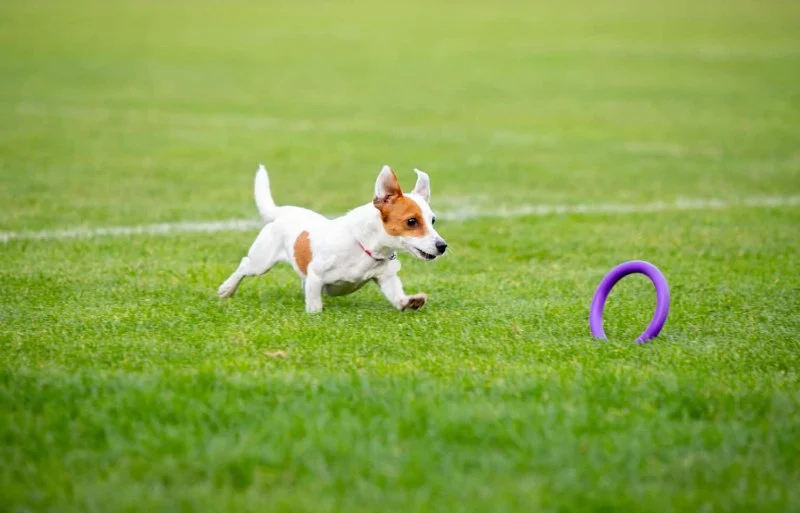
Pet fitness is far more than tossing a ball or a casual walk around the block. Just like humans, pets require regular physical activity to maintain optimal health. Proper fitness helps regulate weight, improves cardiovascular health, strengthens joints, and even enhances mental well-being. Inactive pets are more prone to obesity, depression, and diseases such as diabetes and arthritis.
Consider Max, a five-year-old golden retriever who gained 12 pounds during his owner's busy season. Without consistent activity, his mood declined and his vet noted early joint inflammation. After a structured pet fitness plan and a few interactive toys, Max not only lost weight but became visibly more energetic and cheerful.
Taking the first step toward pet fitness is crucial. At Brothers Pets, you can explore curated wellness and fitness tools to help kickstart or refine your pet's active lifestyle.
2. How to Start Pet Exercise Safely
Introducing exercise into your pet’s routine must be done gradually and thoughtfully. Overexertion can cause stress and injury, especially in breeds with specific sensitivities (like bulldogs or Persian cats). Always consult a veterinarian before starting a new fitness routine.
2.1 Begin With Low-Impact Movements
Start with short walks or play sessions. For cats, use feather toys or climbing posts to get them moving. For dogs, a game of fetch in a small yard or hallway might be enough in the beginning. Keep sessions under 15 minutes and increase as your pet adapts.
2.2 Monitor Behavior and Adjust Accordingly
Fatigue, heavy panting, or withdrawal are signs your pet may be doing too much. Balance activity with rest, and always provide fresh water after physical engagement.
Fitness isn't a one-size-fits-all journey. Brothers Pets provides pet-specific guides and safe gear tailored to your pet's breed, age, and activity level.
3. Understanding Your Pet’s Individual Needs
3.1 Age Plays a Crucial Role
Puppies and kittens have different energy levels than senior pets. While younger animals might need frequent bursts of activity, older pets benefit from slow, joint-friendly movements like swimming or gentle strolls.
3.2 Breed and Body Type Matter
Working breeds like border collies thrive on rigorous exercise. On the flip side, short-nosed breeds (brachycephalic) like pugs should avoid overheating and require shorter sessions. Rabbits and ferrets, too, need space and stimulation, just differently than dogs or cats.
Understanding these nuances helps design a fitness plan that is enjoyable, safe, and sustainable. At Brothers Pets, expert staff can help you match exercise routines with the exact characteristics of your furry companion.
4. Practical Exercises for Different Pets
4.1 Dogs: Mix of Mental and Physical
Fetch, obstacle courses, or doggy treadmills are ideal. Don’t overlook mental workouts like puzzle feeders and scent games. These burn energy and fight boredom.
4.2 Cats: Chase, Climb, Pounce
Cats need vertical space. Encourage jumping and chasing with toys and shelves. Laser pointers, while fun, should be used with actual "catchable" toys to avoid frustration.
4.3 Small Pets: It’s Not Just Cage Time
Rabbits, guinea pigs, and even hamsters benefit from safe floor time in pet-proofed areas. Tunnels, boxes, and chew-safe materials make exploration exciting and active.
Whether you have a high-energy herding dog or a lazy senior cat, Brothers Pets offers equipment and toys suited to every type of pet activity.
5. Overcoming Common Pet Fitness Challenges
5.1 Weather, Space, and Time
Not everyone has a backyard or time for extended walks. Consider indoor options like play pens, treadmills for pets, or engaging laser toys. Short bursts of structured play multiple times a day can replace one long session.
5.2 Motivation—Yours and Theirs
Some pets seem lazy—but often they’re bored or under-stimulated. Mixing up activities, rotating toys, or including treats can reignite excitement. Owners should also find routines they enjoy, turning pet fitness into a bonding experience.
For help staying on track, Brothers Pets offers training aids, time-saving solutions, and community support for pet parents working through these common hurdles.
6. Using Tools to Support Pet Fitness
6.1 Tech Meets Tails
Fitness trackers for pets, automatic ball throwers, and interactive feeders bring a modern edge to pet health. Track your pet’s progress, stay informed, and make improvements based on real-time data.
6.2 Nutrition Supports Exercise
Active pets require a diet that fuels energy and recovery. Choose high-quality food matched to your pet’s activity level and age. Hydration is also key, especially in hot climates or during intense play.
6.3 Professional Guidance and Gear
When in doubt, get expert advice. Trainers, behaviorists, and pet stores like Brothers Pets offer resources and consultations to help you craft the ideal fitness plan for your pet's lifestyle.





 Artistic Reptiles4.0 (55 reviews)
 Allen Veterinary Hospital4.0 (784 reviews)
 Farmington Veterinary Clinic, A Thrive Pet Healthcare Partner4.0 (101 reviews)
 Vetco Vaccination Clinic4.0 (13 reviews)
 Spirit Of 76th Veterinary Clinic4.0 (822 reviews)
 Veterinary Medical and Surgical Group4.0 (486 reviews)
 Top 12 Tips for Pet Diseases Prevention and Care
 What Every Pet Owner Should Know About Pet Travel
 How to Create a Pet-Friendly Home for Your Furry Friends
 How to Recognize and Treat Hypothermia in Pets: A Guide for Pet Owners
 How to Improve Your Puppy & Kitten Care: Essential Tips for New Pet Owners
 Best Methods for Crate Training a Puppy Successfully