
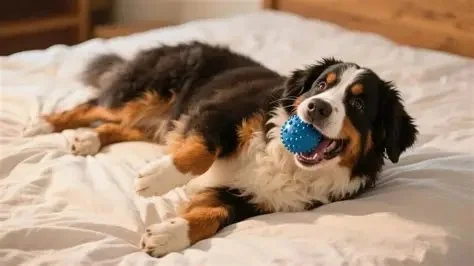
Why Cleaning Your Pet’s Toys and Accessories Matters
As pet owners, we often overlook the importance of cleaning our pets' toys and accessories. However, just like any other item your pet comes into contact with, these items can harbor bacteria, dirt, and even harmful pathogens. Keeping your pet's toys and accessories clean is crucial for their health and safety, as well as to maintain their longevity.
Whether your pet loves their plush toys, rubber chewables, or interactive gadgets, regularly cleaning them helps prevent the build-up of dirt and grime. It also ensures your pet is playing with hygienic, safe items. But how do you clean these toys effectively while making sure they are safe for your furry friend?
1. General Tips for Safe Cleaning of Pet Toys
Before diving into the specifics of cleaning different types of pet toys and accessories, it’s essential to establish some general guidelines to ensure the process is both effective and safe.
Use Pet-Friendly Cleaning Products
Many cleaning products contain harsh chemicals that can be harmful to pets if ingested. When cleaning your pet’s toys, always choose non-toxic, pet-safe cleaners. Some natural options include vinegar, baking soda, and mild dish soap. These can clean most toys without posing a threat to your pet’s health.
Avoid Harsh Scrubbing
While it might be tempting to scrub toys vigorously to remove every bit of dirt, harsh scrubbing can damage certain materials. Use soft brushes or cloths to gently clean toys, especially those made of fabric or softer materials. Always check the manufacturer’s cleaning instructions if available.
Ensure Toys Are Completely Dry
After cleaning, always ensure that toys are completely dry before allowing your pet to play with them again. Damp toys can attract mold and mildew, which can cause health issues for your pet. Use a clean towel to dry items and, if necessary, let them air dry before use.
2. How to Clean Rubber and Plastic Pet Toys
Rubber and plastic pet toys are some of the most common and durable toys available. These toys are often designed to withstand chewing and rough play. However, even the toughest toys can harbor bacteria and germs if not cleaned regularly.
Step-by-Step Cleaning Process
For rubber and plastic toys, here’s a simple cleaning process:
- Soak the toy in warm water mixed with mild dish soap for a few minutes.
- Use a soft brush to scrub away any debris or dirt. A toothbrush works great for getting into small crevices.
- Rinse thoroughly with warm water to ensure all soap is removed.
- Dry the toy completely before giving it back to your pet.
Cleaning Tough Stains or Odors
If your pet’s rubber or plastic toy has a lingering odor, you can use a mixture of vinegar and water to soak the toy. This helps neutralize smells without harming the material. Just make sure to rinse it thoroughly after soaking.
3. Cleaning Plush and Fabric Pet Toys
Plush toys are usually softer and more cuddly, but they can accumulate dirt, saliva, and even bacteria, especially if your pet likes to carry them around or chew on them. Cleaning plush toys requires a bit more care to maintain their softness and shape.
Washing Plush Toys in the Machine
If the toy is machine washable, simply place it inside a laundry bag to protect it from damage. Use a gentle cycle with cold water and mild detergent. Always check the toy for any loose parts or small pieces that could come off during washing. If the toy has a squeaker, make sure it is securely enclosed so it doesn’t break during the wash.
Handwashing Plush Toys
If you prefer to handwash plush toys, fill a basin with warm water and add a small amount of mild detergent. Gently scrub the toy using a soft cloth or brush. Avoid soaking the toy for too long to preserve its texture and shape. After washing, squeeze out excess water and let the toy air dry completely.
4. Cleaning Pet Accessories: Collars, Leashes, and Bowls
Pet accessories, such as collars, leashes, and food/water bowls, also require regular cleaning. These items are often exposed to dirt, saliva, food particles, and even bacteria. Here’s how to clean some of the most common pet accessories:
Collars and Leashes
Fabric or leather collars and leashes can easily accumulate dirt and oils. For fabric collars, hand wash them in warm soapy water, and allow them to air dry. For leather collars, use a damp cloth and mild soap to wipe them down, and condition the leather afterward to prevent it from drying out.
Food and Water Bowls
Food and water bowls should be cleaned regularly to prevent bacterial growth. Ceramic and stainless steel bowls are easier to clean and sanitize than plastic ones, which can develop grooves that trap bacteria over time. Wash bowls with warm soapy water after each meal, and sanitize them weekly with a mixture of vinegar and water to kill germs.
5. Keeping Your Pet’s Toys Safe and Lasting Longer
Aside from cleaning, there are a few additional steps you can take to ensure your pet’s toys and accessories remain safe and durable for longer periods:
Rotate Toys
Instead of leaving all your pet’s toys out at once, try rotating them. This will not only keep your pet engaged but will also reduce wear and tear on individual toys, giving you more time between cleanings.
Inspect Toys Regularly
Regularly inspect your pet’s toys for any signs of wear, cracks, or tears. Damaged toys can be hazardous to your pet, especially if they contain small parts that can be chewed off and swallowed.
Conclusion
By following these safe cleaning practices, you can ensure your pet’s toys and accessories are both hygienic and safe to use. Regular cleaning not only promotes good health but also extends the lifespan of your pet’s favorite items. At Brothers Pets, we offer a wide range of pet care products, including safe toys and accessories designed to keep your pet happy and healthy. Visit us today to find the perfect items for your pet’s needs!



 Jamestown Vet4.0 (8 reviews)
 Vetco Total Care Animal Hospital4.0 (304 reviews)
 The Cat Practice4.0 (170 reviews)
 Lancaster Veterinary Specialties4.0 (142 reviews)
 Buckeystown Veterinary Hospital4.0 (267 reviews)
 Griffin Animal Hospital4.0 (245 reviews)
 Raw Food Diets for Pets: Pros, Cons, and Veterinary Opinions
 Pet Travel: What Vets Want You to Know Before You Go
 How to Safely Transition Your Pet to a New Food Brand – Expert Tips
 Preparing Your Pet for a New Baby in the Home: A Complete Family Guide
 Top 9 Tips for Pet Training That Actually Work
 How to Help Pets Cope with Separation Anxiety: Tips and Solutions