
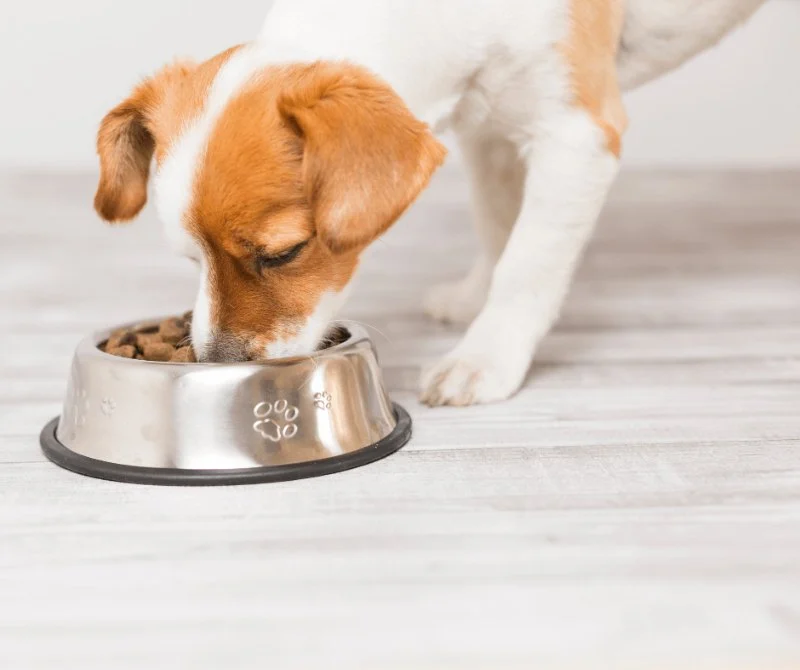
How to Safely Transition Your Pet to a New Food Brand
- 1- Introduction: Why Changing Pet Food Can Be Necessary
- 2- Understanding the Importance of a Smooth Transition
- 3- Steps to Safely Switch Your Pet’s Food
- 4- Signs Your Pet is Having Trouble with the Transition
- 5- Real-Life Stories of Successful Pet Food Transitions
1- Introduction: Why Changing Pet Food Can Be Necessary
As pet owners, we always want what’s best for our pets, including their food. At times, due to health issues, allergies, or simply a desire to improve their diet, changing your pet’s food brand becomes a necessity. But how do you ensure a smooth and healthy transition when you’re switching to a new food brand? This article will guide you through the process of transitioning your pet to a new food brand while minimizing stress on your furry friend.
2- Understanding the Importance of a Smooth Transition
When switching pet foods, it's crucial to make the transition gradually. Sudden changes in diet can upset your pet’s stomach and lead to digestive issues such as vomiting, diarrhea, or loss of appetite. This is because your pet’s digestive system is accustomed to the old food, and introducing something new too quickly can cause an imbalance in their gut bacteria. A gradual transition gives your pet’s digestive system the time it needs to adjust, ensuring their health and comfort during the switch.
3- Steps to Safely Switch Your Pet’s Food
The key to transitioning your pet to a new food brand safely is doing it slowly and carefully. Here’s a step-by-step guide:
- Step 1: Start by mixing a small amount of the new food with your pet’s current food. Start with about 25% new food and 75% old food.
- Step 2: Gradually increase the proportion of the new food over the course of 7-10 days, reducing the amount of the old food.
- Step 3: Monitor your pet closely for any signs of discomfort or digestive issues. If you notice any problems, slow down the transition and consult your veterinarian.
- Step 4: Once your pet is fully transitioned to the new food, keep an eye on their overall health and well-being to ensure the new food works for them.
4- Signs Your Pet is Having Trouble with the Transition
While most pets can handle a gradual transition, some may experience difficulties. Here are some signs that your pet might be struggling with the food change:
- Frequent diarrhea or vomiting
- Loss of appetite or refusal to eat the new food
- Lethargy or changes in behavior
- Excessive itching or skin irritation (if the new food contains different ingredients or proteins)
If you notice any of these signs, it’s important to slow down the transition process or consult your vet to ensure the new food is right for your pet.
5- Real-Life Stories of Successful Pet Food Transitions
Many pet owners have shared their stories of successfully switching their pets to a new food brand. One dog owner switched her dog from a grain-based food to a grain-free option. At first, her dog had some digestive upset, but after a slow, gradual transition, the dog’s stomach settled, and he became more energetic and healthier overall. Another pet owner shared how their cat, who had always been picky about food, accepted a new brand seamlessly after following a gradual transition plan.
These real-life examples show that with patience and careful planning, transitioning your pet to a new food brand can be a smooth and beneficial process for both you and your pet.
If you need expert advice or are looking for quality pet food products, visit Brothers Pets for the best recommendations and products for your furry friend.






 Petco4.0 (1284 reviews)
 Cor-Vet Veterinary Clinic Fortville0.0 (0 reviews)
 Towanda Creek Animal Hospital4.0 (124 reviews)
 Petco4.0 (55 reviews)
 Mirror Lake Animal Hospital4.0 (148 reviews)
 Arvada Veterinary Hospital4.0 (418 reviews)
 How to Care for Your Pet's Reproductive Health: Essential Tips for Pet Owners
 How to Spot and Treat Digestive Problems in Cats: A Guide for Pet Owners
 Best Practices for Dog Grooming Between Vet Visits: Essential Tips for Pet Care
 Preparing Your Pet for a New Baby in the Home: A Complete Family Guide
 Top 10 Tips for Preventing Pet Illness Every Owner Should Know
 Signs Your Senior Cat May Have Kidney Problems