
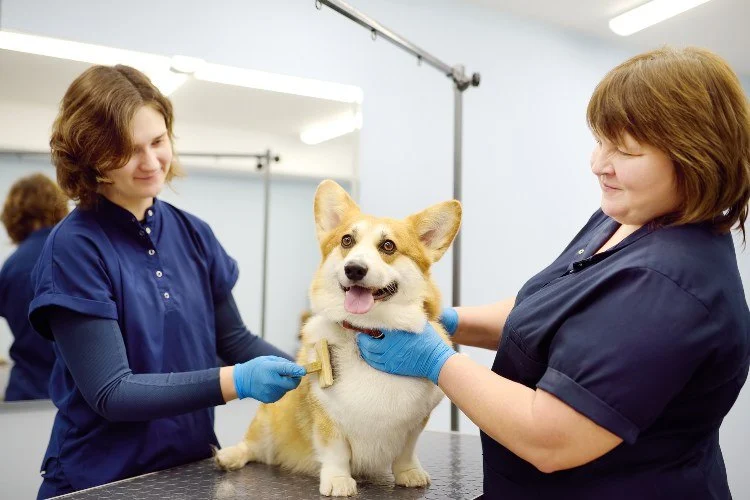
- Importance of Regular Grooming
- Brushing and Coat Care
- Bath Time Basics
- Nail Trimming and Paw Care
- Ear, Eye, and Teeth Maintenance
- When to Seek Professional Grooming
Importance of Regular Grooming
Regular grooming between vet visits is essential for your dog's health and well-being. Not only does it help keep your dog looking great, but it also allows you to spot any changes in their skin, coat, or overall condition, which may indicate health issues. Grooming gives you the chance to check for parasites like fleas or ticks, as well as signs of infections or discomfort. By maintaining a grooming routine, you ensure your dog’s comfort and contribute to their long-term health.
While vet visits are important for overall health checks, grooming in between visits allows you to monitor their condition more closely. Keeping up with grooming is a great way to build a bond with your pet and ensure that they stay clean and comfortable throughout the year.
Brushing and Coat Care
Brushing is one of the most important aspects of dog grooming. Whether your dog has short or long hair, regular brushing helps maintain their coat and can prevent matting or tangling. It also helps distribute natural oils across the skin, keeping their fur shiny and healthy.
1. Choose the Right Brush
There are different types of brushes designed for different coats. For example, a slicker brush works well for long-haired dogs, while a bristle brush is better for short-haired breeds. Be sure to use a brush suited to your dog's coat type to avoid causing discomfort or skin irritation.
2. Frequency of Brushing
The frequency of brushing depends on the breed and coat type. Long-haired dogs may need daily brushing to prevent mats, while short-haired dogs can usually be brushed once a week. However, regular brushing should be a part of your routine no matter what breed your dog is. This helps keep their coat healthy and free of dirt or debris.
3. Check for Skin Issues
While brushing, be on the lookout for signs of skin irritation, bumps, or dryness. If you notice anything unusual, it’s important to seek advice from your vet to ensure there are no underlying health issues.
Bath Time Basics
Bathing your dog between vet visits is important for cleanliness, but over-bathing can strip their skin of natural oils. How often you bathe your dog depends on their breed, lifestyle, and skin type. Here are some bath-time basics to follow:
1. Choose the Right Shampoo
Always use a dog-specific shampoo, as human shampoos can irritate their skin. There are various options available, including hypoallergenic shampoos for sensitive dogs or flea-repelling shampoos for those who are prone to infestations. Be sure to pick a product that is suitable for your dog's skin and coat type.
2. Bathing Frequency
Dogs who spend a lot of time outdoors or have skin conditions may need more frequent baths, while those who are primarily indoors may require less frequent bathing. As a general rule, bathing every 4-6 weeks is sufficient for most dogs, but you can adjust this based on your dog’s needs.
3. Drying Your Dog
After the bath, dry your dog thoroughly to prevent them from getting cold. Use a towel to remove excess water, and if your dog is comfortable with it, you can use a blow dryer on a low setting. Be cautious to avoid overheating or drying out their skin.
Nail Trimming and Paw Care
Nail trimming is an important part of grooming that many dog owners overlook. Overgrown nails can lead to discomfort, pain, and even mobility issues for your dog. Regular nail trimming also helps avoid damage to floors or furniture. Here’s how you can keep your dog’s nails and paws healthy:
1. Trim Nails Regularly
Depending on your dog's activity level, their nails may need trimming every 3-4 weeks. If you can hear their nails clicking on the floor when they walk, it’s a sign that they need to be trimmed. Be sure to use proper dog nail clippers, and if you're unsure, consult a groomer or vet for guidance.
2. Paw Pads and Between Toes
In addition to trimming nails, it’s essential to keep your dog’s paw pads clean and moisturized. Wipe their paws after walks to remove dirt, salt, or debris. If you notice any cuts, cracks, or swelling, it’s important to address these issues promptly to prevent infections.
3. Watch for Ingrown Nails
Sometimes nails can grow incorrectly and cause pain or injury. If you notice that your dog’s nails are growing inward, causing discomfort, or if they are breaking often, it’s time to seek advice from your vet or a professional groomer.
Ear, Eye, and Teeth Maintenance
Regular maintenance of your dog’s ears, eyes, and teeth is another important aspect of grooming between vet visits. Here's how you can ensure these areas are well cared for:
1. Ear Care
Check your dog’s ears regularly for dirt, wax buildup, or signs of infection. Gently clean the outer part of the ear with a damp cloth or a special dog ear cleaner. Be careful not to insert anything into the ear canal. If you notice redness, a foul smell, or excessive scratching, it’s time to see the vet.
2. Eye Care
Wipe away any discharge around your dog’s eyes with a clean, damp cloth. Some breeds are more prone to eye issues, so keep an eye on any signs of irritation or excessive tearing. If the discharge becomes persistent, seek veterinary care.
3. Teeth Cleaning
Brushing your dog’s teeth is vital to prevent dental diseases such as gum inflammation and tooth decay. Use a dog-specific toothbrush and toothpaste to gently clean their teeth. Aim to brush their teeth 2-3 times a week, and consider dental chews or treats to help keep their teeth clean in between brushings.
When to Seek Professional Grooming
While you can take care of many grooming tasks at home, there are times when professional grooming is necessary. If you have a breed with a particularly complex coat, such as a Poodle or a Shih Tzu, regular visits to a professional groomer may be required. Additionally, if you're unsure about how to trim nails, clean ears, or handle other aspects of grooming, a groomer can help ensure that your dog receives proper care.
At Brothers Pets, we offer a range of grooming products and services to ensure your dog stays healthy and looking their best between vet visits. From grooming tools to professional consultations, we’re here to help you maintain your dog’s hygiene and overall well-being.


 Best Puppies For Sale4.0 (96 reviews)
 Pet Assistance, Inc.2.0 (7 reviews)
 The Animal Clinic, P.S.C.4.0 (407 reviews)
 River Mill Animal Hospital - Dr. Tammie Hodge4.0 (114 reviews)
 Dr. Terry L Hills DVM5.0 (4 reviews)
 South County Animal Hospital, A Thrive Pet Healthcare Partner4.0 (145 reviews)
 Raw Food Diets for Pets: Pros, Cons, and Veterinary Opinions
 How to Spot and Treat Liver Disease in Cats and Dogs: A Complete Guide
 How to Spot Symptoms of Food Allergies in Cats: A Guide for Pet Owners
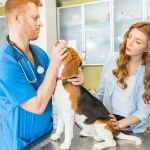 How to Choose the Right Vet for Your Pet's Specific Needs
 Best Dog Breeds for Active Families with Kids: Top Choices for Fun and Play
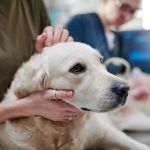 How to Spot Early Signs of Cancer in Pets and What to Do Next