
- 1- Why Pet Dental Care is Important
- 2- Common Mistakes in Pet Dental Care
- 3- How to Avoid Pet Dental Care Mistakes
- 4- The Importance of Preventive Dental Care for Pets
- 5- Real-life Stories: Pet Dental Care Successes
- 6- Recommended Products for Pet Dental Care
1- Why Pet Dental Care is Important
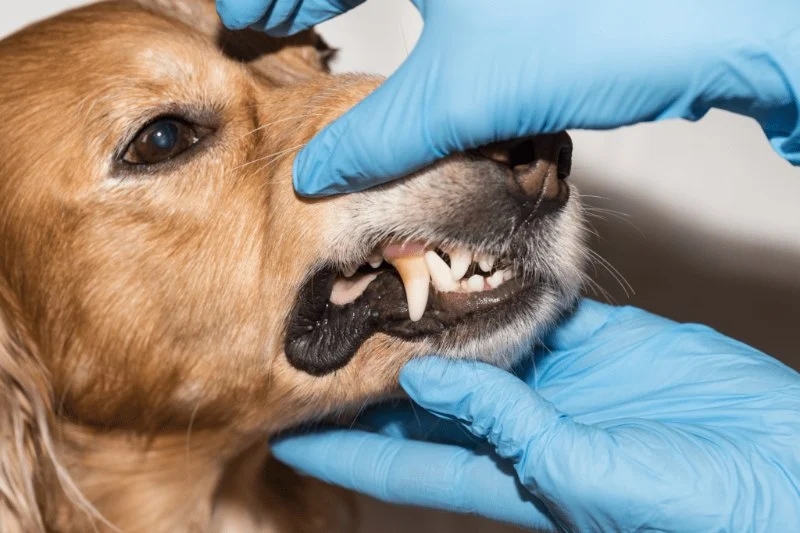
Just like humans, pets need regular dental care to maintain their health and well-being. Poor oral hygiene can lead to dental diseases that can affect not just the teeth and gums, but also the overall health of your pet. In fact, dental issues in pets are one of the most common reasons for veterinary visits. Dental diseases, such as gingivitis and periodontal disease, can lead to pain, difficulty eating, and even more severe health problems like heart disease if left untreated.
2- Common Mistakes in Pet Dental Care
Pet dental care is essential, but many pet owners make common mistakes that can harm their pets’ oral health. Here are some of the most frequent errors and how they can be avoided:
1. Neglecting Regular Brushing
One of the most common mistakes in pet dental care is failing to brush your pet's teeth regularly. Just like humans, pets need their teeth brushed to remove plaque and prevent tartar buildup. Without regular brushing, plaque can turn into tartar, leading to gum disease and tooth loss.
2. Using the Wrong Toothpaste
Many pet owners use human toothpaste for their pets, but this can be harmful. Human toothpaste contains fluoride, which is toxic to pets if swallowed. Always use toothpaste formulated for pets, as it’s safe and designed to clean their teeth effectively without causing harm.
3. Ignoring Professional Dental Cleanings
While brushing at home is essential, it’s also important to schedule regular professional dental cleanings for your pet. Skipping these cleanings can allow plaque and tartar to build up to a point where home brushing no longer helps. A veterinarian will perform a deep cleaning, removing buildup that can’t be reached with a toothbrush.
4. Feeding Poor Quality or Hard Food
Some pet owners believe that feeding dry kibble is enough to clean their pet's teeth. While dry food can help to scrape off some plaque, it doesn't replace regular brushing. Also, feeding your pet hard foods or bones that are too tough can break their teeth. Always choose pet-friendly dental treats that are designed to improve oral health safely.
5. Overlooking Bad Breath
Bad breath in pets is often a sign of dental problems. If your pet’s breath smells foul, it could indicate that they have dental disease, such as gum infections or tooth decay. Don’t ignore this symptom—if your pet has persistent bad breath, it’s time to schedule a veterinary check-up.
3- How to Avoid Pet Dental Care Mistakes
Now that you know some of the most common mistakes in pet dental care, here’s how you can avoid them:
1. Brush Your Pet's Teeth Regularly
The best way to prevent dental issues is to brush your pet’s teeth regularly. Aim to brush your pet's teeth at least two to three times a week. Use a pet-safe toothbrush and toothpaste, and be gentle. If your pet resists brushing, try to gradually introduce the process and reward them with treats or praise.
2. Choose the Right Dental Products
Invest in high-quality dental care products for your pet. This includes pet-safe toothpaste, toothbrushes, dental chews, and mouth rinses. Look for products designed specifically to address plaque, tartar, and bad breath, and always follow the instructions carefully.
3. Schedule Regular Veterinary Check-ups
Ensure your pet receives regular dental exams from the vet. Professional cleanings, as well as early detection of dental diseases, can prevent costly and painful treatments down the road. During these visits, the vet will examine your pet's teeth, gums, and overall oral health.
4. Incorporate Dental-Friendly Treats into Your Pet's Diet
Dental treats and chews are not only a fun way to reward your pet, but they also help to keep their teeth clean. Choose dental treats that are specifically designed to reduce plaque and tartar buildup. Look for treats with the Veterinary Oral Health Council (VOHC) seal, which ensures that they are effective in promoting oral health.
5. Be Alert to Warning Signs
Watch for signs of dental problems in your pet, such as difficulty chewing, pawing at the mouth, or excessive drooling. If you notice any of these symptoms, schedule a veterinary visit immediately. Early intervention can save your pet from more serious dental issues.
4- The Importance of Preventive Dental Care for Pets
Preventive dental care is crucial to keeping your pet’s teeth and gums healthy. Not only does it prevent costly and painful dental treatments, but it also improves your pet’s overall health and quality of life. Regular brushing, dental check-ups, and dental-friendly products can go a long way in preventing serious issues like periodontal disease, tooth loss, and even heart disease that can result from untreated oral infections.
5- Real-life Stories: Pet Dental Care Successes
Take the example of Bella, a 10-year-old Labrador whose bad breath became unbearable. Her owner, Sarah, decided to take her to the vet, where Bella was diagnosed with gingivitis. After a thorough cleaning and a change to her dental care routine, Bella’s breath improved, and her overall health flourished. Bella’s story shows how proactive dental care can make a huge difference in a senior pet’s health.
Similarly, Max, a 6-year-old tabby cat, had been refusing to eat dry food, which his owner initially thought was due to his age. After a visit to the vet, it was found that Max had a severe case of tartar buildup and gum disease. After a professional cleaning and daily brushing at home, Max regained his appetite and overall vitality. His experience demonstrates the importance of addressing dental issues early on to prevent more serious complications.
6- Recommended Products for Pet Dental Care
For effective dental care, here are some products that we recommend to help keep your pet’s teeth clean and healthy:
- Pet-safe Toothpaste: Always use toothpaste specifically formulated for pets. It’s designed to be safe for them to swallow and effective in cleaning their teeth.
- Dental Chews: Invest in dental chews and treats that help reduce plaque and tartar buildup. Look for treats that have the VOHC seal of approval.
- Dental Brushes: A soft-bristled pet toothbrush will help you clean your pet’s teeth without causing discomfort.
- Water Additives: Consider adding a pet-friendly water additive to help combat bad breath and reduce plaque.
For more dental care products and expert recommendations, visit Brothers Pets for everything you need to keep your pet’s teeth in top shape.




 Companion Animal Hospital Mount Prospect4.0 (412 reviews)
 Ash Creek Animal Clinic4.0 (218 reviews)
 Animal Eye Specialty Center4.0 (220 reviews)
 Monroe Animal Clinic4.0 (44 reviews)
 VCA Sterling Animal Hospital4.0 (136 reviews)
 Animal Care of Mathews4.0 (40 reviews)
 How to Recognize and Treat Cushing’s Disease in Dogs
 How to Improve Your Pet’s Diet for Better Skin and Coat Health
 Dog Grooming Tips for Maintaining a Healthy Coat | Brothers Pets
 Tips for Teaching Puppies Basic Commands at Home: A Beginner's Guide
 Best Supplements to Support Healthy Aging in Cats: Keep Your Senior Cat Active
 The Dos and Don’ts of Parasite Prevention Every Pet Owner Should Know