
How to Recognize and Treat Cushing’s Disease in Dogs
- 1. Understanding Cushing’s Disease in Dogs
- 2. Symptoms of Cushing’s Disease in Dogs
- 3. Diagnosing Cushing’s Disease in Dogs
- 4. Treatment Options for Cushing’s Disease in Dogs
- 5. How Brothers Pets Can Support You and Your Dog
1. Understanding Cushing’s Disease in Dogs
Cushing’s disease, also known as hyperadrenocorticism, is a condition that occurs when a dog’s body produces too much cortisol, a hormone that plays a crucial role in the body’s response to stress, metabolism, and immune function. While cortisol is essential for normal body function, excessive levels can lead to various health problems.
This disease is more common in older dogs, but it can affect dogs of any age or breed. The most common cause of Cushing’s disease is a benign tumor in the pituitary gland, which increases cortisol production. Less commonly, it can be caused by tumors in the adrenal glands that produce cortisol independently.
2. Symptoms of Cushing’s Disease in Dogs
Recognizing Cushing’s disease in its early stages can be challenging, as many of the symptoms overlap with those of other age-related conditions. However, there are several key signs that may indicate your dog is suffering from this condition:
1. Increased Thirst and Urination
One of the hallmark symptoms of Cushing’s disease in dogs is increased thirst (polydipsia) and urination (polyuria). Your dog may seem to drink water constantly and need to urinate more frequently than usual.
2. Weight Gain and Pot-bellied Appearance
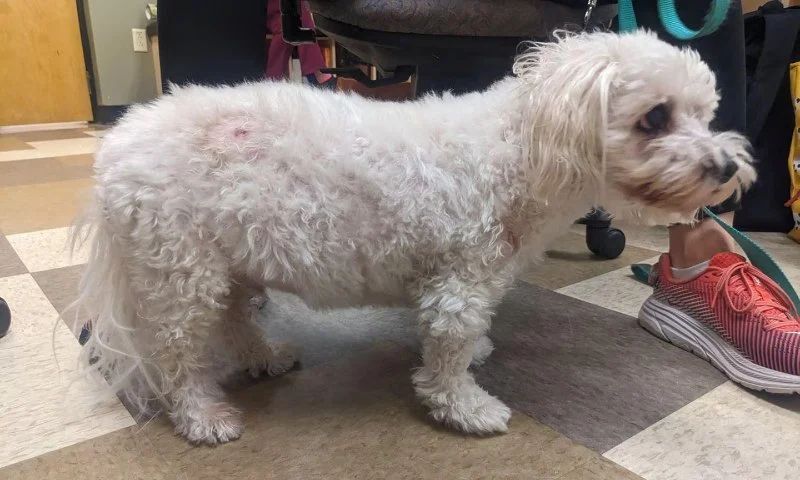
Dogs with Cushing’s disease often gain weight, particularly around their abdomen. This leads to the characteristic “pot-bellied” appearance, which can be one of the more noticeable signs.
3. Thinning Skin and Hair Loss
As the disease progresses, dogs may experience thinning skin, which is more prone to bruising. They may also develop hair loss, especially on their body and tail, and their coat may become dull or brittle.
4. Lethargy and Muscle Weakness
Dogs with Cushing’s disease may become less active and exhibit signs of muscle weakness. This can manifest as difficulty walking, climbing stairs, or getting up after resting.
5. Increased Appetite
Cushing’s disease can cause an increased appetite (polyphagia), with your dog seeming more interested in food and eating more than usual.
3. Diagnosing Cushing’s Disease in Dogs
If you notice any of the above symptoms in your dog, it’s important to take them to the vet for a proper diagnosis. Cushing’s disease is diagnosed through a combination of physical exams, blood tests, and imaging studies.
The most common tests used to diagnose Cushing’s disease include:
1. Blood Tests
Veterinarians will often begin with a blood test to measure levels of cortisol and other indicators. If Cushing’s disease is suspected, more specialized tests may be required.
2. Urine Tests
Urine tests can help determine how well your dog’s kidneys are functioning and whether the kidneys are affected by the excess cortisol.
3. Imaging (X-rays or Ultrasound)
Imaging studies such as X-rays or an ultrasound may be used to look for tumors in the adrenal glands or pituitary gland that could be causing the overproduction of cortisol.
4. Treatment Options for Cushing’s Disease in Dogs
Once Cushing’s disease is diagnosed, your veterinarian will discuss treatment options based on the cause of the disease and your dog’s overall health. Treatment options for Cushing’s disease include:
1. Medications
The most common treatment for Cushing’s disease is medication that helps reduce cortisol production. Vetoryl (trilostane) and Lysodren (mitotane) are the two most commonly prescribed medications for treating the disease.
2. Surgery
If the disease is caused by a tumor in the adrenal glands, surgery may be recommended to remove the tumor. This is less common, but it can be a curative option if the tumor is localized.
3. Radiation Therapy
For pituitary tumors, radiation therapy can be an option. This is often used when surgery is not an option or if the tumor is too large to remove safely.
4. Ongoing Monitoring
Cushing’s disease requires lifelong management. Even with medication, your dog will need regular veterinary checkups to monitor their cortisol levels and adjust treatment as necessary.
5. How Brothers Pets Can Support You and Your Dog
At Brothers Pets, we understand how important your dog’s health is, and we’re here to help you manage their care. We offer a variety of products and services that can assist in managing Cushing’s disease in dogs, including specialty foods, supplements, and grooming products that help with skin and coat health.
In addition to our products, we offer valuable information and support to guide you through the journey of managing your dog’s condition. Visit Brothers Pets today for more tips, products, and services that can help keep your dog healthy and comfortable.



 Cats Exclusively Veterinary Hospital4.0 (175 reviews)
 Templeton Nina DVM3.0 (8 reviews)
 Petco Headquarters1.0 (494 reviews)
 Las Vegas Veterinary Specialty Center4.0 (393 reviews)
 Broadlands Veterinary Clinic4.0 (163 reviews)
 Howard Alisa DVM4.0 (18 reviews)
 Preventing and Managing Obesity in Indoor Cats: Essential Tips for Pet Owners
 How to Care for a Pet with Special Medical Needs
 How to Provide Care for Your Pet with Diabetes
 Top 11 Tips Every Owner Should Know for Optimal Pet Health
 Common Mistakes in Pet Behavior and How to Avoid Them
 Top 9 Tips for Pet Training Every Owner Should Know