
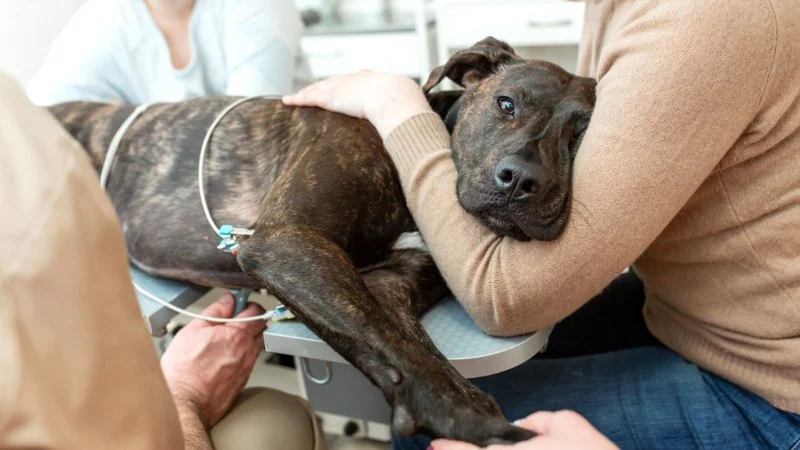
Understanding Liver Disease in Pets
Liver disease in pets, particularly in cats and dogs, is a serious health concern that often goes unnoticed until it has progressed significantly. The liver plays a crucial role in detoxification, digestion, and nutrient storage, so when it’s compromised, it can lead to a wide range of health issues. Recognizing the signs early and seeking appropriate treatment is vital for maintaining your pet's well-being.
- 1. Recognizing the Symptoms of Liver Disease in Pets
- 2. Common Causes of Liver Disease in Pets
- 3. Treating Liver Disease in Pets
- 4. Preventing Liver Disease in Pets
- 5. Brothers Pets Recommendations
1. Recognizing the Symptoms of Liver Disease in Pets
Early detection of liver disease in pets can be challenging since the symptoms often overlap with other conditions. However, there are specific signs that you should watch for. If you notice any of the following symptoms, it’s important to consult with your veterinarian:
1.1 Changes in Appetite
A sudden loss of appetite or an increase in eating can indicate liver problems. Pets with liver disease may refuse food or seem uninterested in eating their usual meals.
1.2 Jaundice (Yellowing of the Skin or Eyes)
One of the most obvious signs of liver disease is jaundice. If you notice your pet’s gums, skin, or the whites of their eyes turning yellow, this is a sign that bile is building up in their system due to liver dysfunction.
1.3 Vomiting and Diarrhea
Chronic vomiting or diarrhea can be linked to liver disease, especially when accompanied by other symptoms. If these digestive issues persist, it's important to get your pet checked by a vet.
1.4 Behavioral Changes
Liver disease can affect a pet's behavior. Pets may become lethargic, weak, or unusually aggressive. These changes can be due to the buildup of toxins in the bloodstream caused by liver failure.
2. Common Causes of Liver Disease in Pets
Liver disease can be caused by a variety of factors, ranging from infections to genetic predispositions. Understanding the common causes can help in preventing liver issues in pets.
2.1 Infections
Various bacterial, viral, and parasitic infections can affect the liver, such as leptospirosis and feline infectious peritonitis (FIP). These infections can lead to liver inflammation and damage over time.
2.2 Toxins and Medications
Exposure to certain toxins, such as household chemicals, spoiled food, or human medications, can lead to liver damage in pets. Some pets may also experience liver issues due to drugs prescribed for other conditions, such as corticosteroids.
2.3 Genetic Factors
Some dog breeds, such as the Doberman Pinscher and Cocker Spaniel, are genetically predisposed to liver disease. It's important to be aware of your pet’s breed-specific health risks.
2.4 Chronic Conditions
Chronic conditions like diabetes, obesity, and heart disease can also increase the risk of liver problems. Managing these underlying conditions can help prevent liver disease from developing or worsening.
3. Treating Liver Disease in Pets
Treatment for liver disease in pets varies depending on the cause, severity, and your pet’s overall health. While liver disease can be serious, early intervention and proper treatment can greatly improve your pet's prognosis. Here are some common treatment options:
3.1 Veterinary Diagnosis
If you suspect liver disease, your vet will conduct a thorough examination, which may include blood tests, ultrasound, and possibly a biopsy. These tests are crucial for determining the extent of liver damage and the underlying cause.
3.2 Medications
Depending on the diagnosis, your vet may prescribe medications to manage liver disease. These may include antibiotics for infections, anti-inflammatory drugs, or medications to help detoxify the liver and support its function.
3.3 Dietary Changes
For pets with liver disease, a special diet may be recommended. These diets are typically low in protein and fat and designed to reduce the strain on the liver while providing essential nutrients.
3.4 Surgery or Procedures
In severe cases, surgery may be necessary to remove tumors, cysts, or other obstructions affecting liver function. In some cases, a liver transplant may be considered, although this is typically reserved for certain conditions.
4. Preventing Liver Disease in Pets
While some causes of liver disease in pets are unavoidable, there are several preventive measures you can take to reduce the risk:
4.1 Regular Vet Check-Ups
Regular veterinary visits can help detect liver problems early. Annual check-ups, including blood tests, are a great way to monitor your pet’s liver health.
4.2 Proper Diet and Weight Management
Feeding your pet a balanced diet and maintaining a healthy weight is one of the best ways to prevent liver disease. Obesity puts extra strain on the liver and increases the risk of liver problems.
4.3 Avoid Toxins
Keep your pet away from household chemicals, spoiled food, and harmful plants. Make sure that any medications your pet takes are prescribed by a veterinarian and given in the correct dosage.
5. Brothers Pets Recommendations
At Brothers Pets, we understand how important your pet's health is. We offer a wide range of pet health products, including supplements and specialty foods designed to support liver health. Visit our store to find the best products for your pet’s health, and consult with your vet to ensure you're providing the best care.





 Heritage Veterinary Clinic4.0 (189 reviews)
 Vetco Vaccination Clinic4.0 (12 reviews)
 Franklin Aquarium Pet Shop4.0 (1150 reviews)
 562 Corals4.0 (22 reviews)
 Noah's Ark Pet Center4.0 (335 reviews)
 New Hope Animal Hospital4.0 (323 reviews)
 Expert Advice on Pet Health for Smarter, Happier Care
 Managing Feline Diabetes Through Diet and Monitoring: A Complete Guide
 How to Choose the Right Pet Insurance Plan
 How to Care for Your Pet During Hot Weather: Essential Tips for Pet Owners
 How to Prevent and Treat Dog Ear Mites Effectively in the US
 How to Spot and Treat Pet Intestinal Worms: A Guide for Pet Owners