
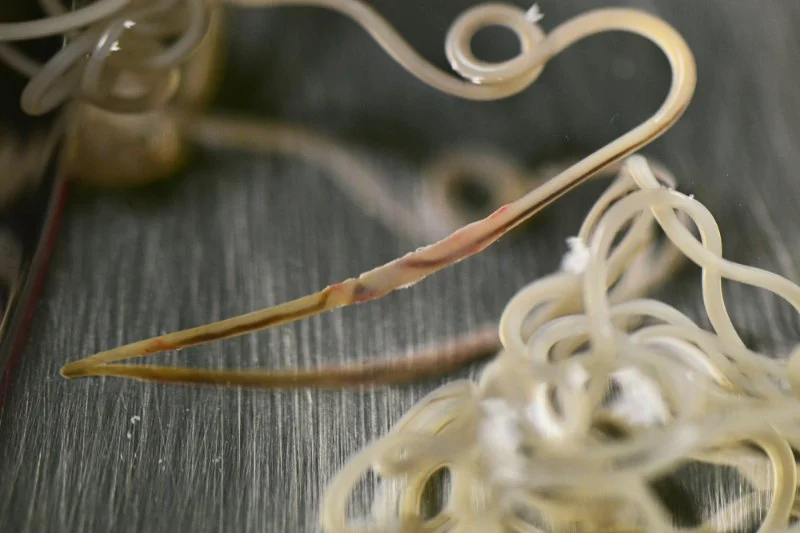
1. Understanding Intestinal Worms in Pets
Intestinal worms are a common issue that many pets, especially dogs and cats, face. These parasites can lead to a variety of health problems, ranging from mild discomfort to serious illness if left untreated. As a responsible pet owner, it’s important to recognize the signs of intestinal worms and take the necessary steps to treat and prevent them. This guide will help you understand the types of intestinal worms, how to spot them, and the best treatment options for your furry friend.
Intestinal worms in pets can be caused by several different types of parasites, including roundworms, tapeworms, hookworms, and whipworms. These worms can affect your pet's digestive system, causing symptoms such as vomiting, diarrhea, weight loss, and a bloated abdomen. Recognizing these signs early and seeking treatment is key to ensuring your pet remains healthy and happy.
2. Common Types of Intestinal Worms in Pets
Understanding the different types of intestinal worms that can affect your pet is important for identifying symptoms and seeking the correct treatment. Here are the most common intestinal worms that can infest pets:
2.1. Roundworms
Roundworms are one of the most common intestinal parasites found in pets, particularly puppies and kittens. They are long, spaghetti-like worms that live in the intestines and can cause severe health issues if left untreated. Pets with roundworms may show symptoms like vomiting, diarrhea, bloated stomach, and weight loss. Roundworms are especially dangerous to young pets, as they can cause stunted growth and malnutrition.
2.2. Tapeworms
Tapeworms are flat, segmented worms that are often visible around your pet’s anus or in their feces. Pets typically get tapeworms from ingesting fleas, which carry the tapeworm larvae. Symptoms of tapeworm infestation may include visible segments of the worm around the anus, excessive licking or scooting, and unexplained weight loss. Tapeworms can lead to irritation and discomfort, making treatment necessary to ensure your pet’s health.
2.3. Hookworms
Hookworms are another type of intestinal worm that can cause serious issues for pets. They latch onto the walls of the intestines, feeding on the pet’s blood. Symptoms of hookworm infestation include lethargy, pale gums, diarrhea (often with blood), and weight loss. If left untreated, hookworms can lead to anemia and other severe health complications, particularly in young or immunocompromised pets.
2.4. Whipworms
Whipworms are less common but can still pose a significant threat to pets. These worms live in the large intestine and cause inflammation. Symptoms of whipworm infestation can include diarrhea (often with mucus or blood), weight loss, and abdominal pain. Whipworms can cause chronic gastrointestinal issues if not treated promptly.
3. Signs of Intestinal Worms in Pets
Identifying the signs of intestinal worms in pets can sometimes be tricky, as symptoms may be subtle or mimic other health problems. However, there are several common signs to watch for that can indicate the presence of worms in your pet:
3.1. Vomiting and Diarrhea
Frequent vomiting or diarrhea, especially when accompanied by blood, is a common symptom of intestinal worms. Roundworms and hookworms, in particular, often cause vomiting and diarrhea in pets.
3.2. Visible Worm Segments or Eggs in Feces
If you see small segments that resemble grains of rice in your pet’s feces or around their anus, this may be a sign of tapeworms. These segments are often visible to the naked eye and can move as they exit the body. You may also notice small, white, rice-like eggs in your pet’s stool.
3.3. Weight Loss and Poor Coat Condition
Pets with intestinal worms often experience weight loss despite a normal or increased appetite. If your pet seems to be losing weight or their coat appears dull and unhealthy, worms may be the culprit. This is especially common in puppies or kittens with roundworms.
3.4. Licking or Scooting
If your pet is constantly licking or scooting its rear end on the ground, it may be trying to alleviate itching caused by worms, particularly tapeworms. Scooting is a behavior that often signals irritation around the anus, which is a common area affected by tapeworm segments.
3.5. Abdominal Distention or Pain
A bloated abdomen or signs of abdominal pain (such as whining or sensitivity to touch) can indicate a heavy load of worms. Roundworms, in particular, can cause your pet’s abdomen to appear distended, especially in younger animals.
4. How to Treat Intestinal Worms in Pets
Once you spot the signs of intestinal worms in your pet, it’s important to take action quickly to prevent further health complications. Fortunately, there are several effective treatment options available:
4.1. Deworming Medications
The most common treatment for intestinal worms is deworming medication, which is available in both oral and topical forms. Your veterinarian will recommend the appropriate medication based on the type of worm affecting your pet. Deworming medications work by killing the worms and clearing them from the pet’s system.
For roundworms, tapeworms, and hookworms, there are specific medications designed to target and eliminate these parasites. It’s important to follow your vet’s instructions carefully to ensure the full course of treatment is completed.
4.2. Follow-up Treatment
In many cases, a single dose of deworming medication isn’t enough, and your pet may require follow-up treatment to ensure that all worms are eliminated. Your vet may recommend a second dose of medication or a different treatment plan depending on the severity of the infestation. Additionally, regular fecal tests may be required to confirm that the worms have been fully eradicated.
4.3. Prevention and Ongoing Care
Prevention is key to ensuring that your pet remains free of intestinal worms. Regular deworming treatments, especially for puppies and kittens, can help prevent future infestations. Additionally, controlling your pet’s exposure to fleas, ticks, and other pests is important, as these parasites can carry worm larvae. Regular veterinary check-ups, maintaining a clean living environment, and practicing good hygiene can all help keep your pet healthy and worm-free.
5. When to See a Veterinarian
If you suspect that your pet has intestinal worms, it’s always best to consult your veterinarian for an accurate diagnosis and treatment plan. A vet can perform fecal tests to confirm the presence of worms and recommend the best course of treatment for your pet's specific needs. If your pet shows severe symptoms such as lethargy, persistent vomiting or diarrhea, or significant weight loss, seek veterinary care immediately.
6. Conclusion: Keeping Your Pet Worm-Free
Intestinal worms are a common but treatable issue for pets. By learning to spot the signs and knowing how to treat and prevent worms, you can keep your pet healthy and happy. Regular veterinary care, proper deworming practices, and good hygiene are essential in preventing intestinal worm infestations.
If you’re looking for quality pet products and health care advice, visit Brothers Pets for everything you need to keep your furry friend in top shape.






 Texas Equine Hospital4.0 (239 reviews)
 Pickens Animal Hospital4.0 (322 reviews)
 SPS Coral Store3.0 (18 reviews)
 VCA Three Notch Animal Hospital4.0 (330 reviews)
 Towne South Animal Hospital4.0 (264 reviews)
 Sweet Pickles Designs - Pet Boutique + Design Center5.0 (6 reviews)
 How to Safely Administer Medications to Your Pet: Expert Tips & Tricks
 How to Spot and Treat Endocrine Disorders in Pets
 How to Provide Proper Exercise for Indoor Pets
 How to Prevent and Treat Canine Dental Disease: Tips for Dog Owners in the US
 How to Safely Transition Your Pet to a New Food Brand | Pet Care Tips
 How to Safely Transition Your Pet to a New Food Brand