
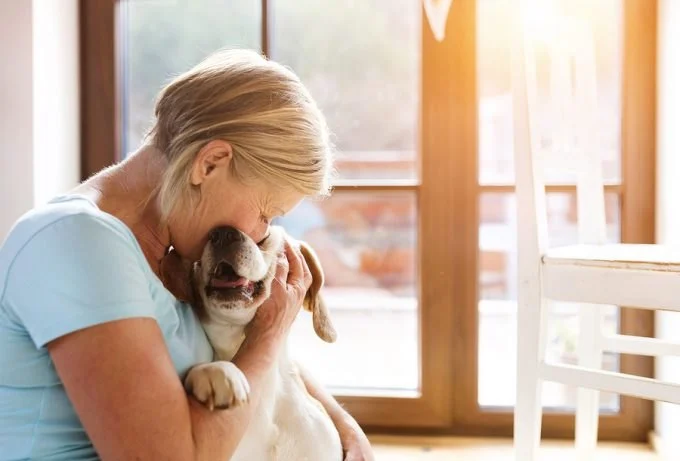
How to Provide Comfort and Care for Your Pet During Illness
- 1. Understanding Your Pet's Illness
- 2. Creating a Comfortable Environment
- 3. Providing Nutritional Support
- 4. Monitoring Your Pet's Health
- 5. When to See a Veterinarian
1. Understanding Your Pet's Illness
When your pet falls ill, it can be a challenging and emotional time for both you and your furry companion. The first step in providing comfort and care is to fully understand your pet’s condition. Whether your pet is dealing with a mild illness or something more serious, knowing the symptoms and what to expect will help you make informed decisions about their care. Consult with your veterinarian to get a clear diagnosis and treatment plan, and don’t hesitate to ask questions if you are unsure about anything.
1.1 Identifying Common Symptoms of Illness
Pet illnesses can present themselves in many ways, ranging from mild symptoms like lethargy and loss of appetite to more severe signs such as vomiting or difficulty breathing. Watch for changes in your pet’s behavior or habits, such as a reluctance to eat, drink, or exercise. These could be early signs of illness and may indicate the need for veterinary care.
1.2 Knowing When It's Serious
Sometimes, it can be hard to know when an illness is something that will resolve on its own or when it requires medical intervention. If your pet’s condition worsens or they exhibit signs of severe discomfort, it’s crucial to seek veterinary help as soon as possible. A professional will be able to guide you on the best course of action.
2. Creating a Comfortable Environment
Providing comfort during illness involves more than just medical care; it’s about creating an environment that promotes rest, recovery, and peace of mind for your pet. A calm, quiet space is essential for healing. Here are some steps you can take to make your pet feel as comfortable as possible:
2.1 Providing a Quiet Space
Place your pet in a quiet, warm, and soft area of your home where they can rest undisturbed. Avoid placing them in high-traffic areas where noise and activity might stress them out. A soft bed or blanket in a peaceful corner can go a long way in helping them feel safe and secure.
2.2 Minimize Stress
Stress can slow down your pet's recovery, so it’s important to keep their environment as stress-free as possible. Limit loud noises, new visitors, or other pets that may cause anxiety. Stick to a routine and keep things calm to help your pet feel more at ease.
2.3 Temperature and Comfort
If your pet is feeling cold, provide extra warmth through blankets or a heating pad (ensure it’s not too hot). Similarly, if they are overheated due to fever or illness, ensure they have access to cool, shaded areas where they can relax comfortably.
3. Providing Nutritional Support
Good nutrition is vital for your pet's recovery, but illness can make eating difficult. Encourage your pet to eat and drink, but don’t force them if they are unwilling. Some pets may lose interest in their regular food during sickness, so try offering bland, easily digestible foods, such as boiled chicken or rice, until they regain their appetite.
3.1 Offering Hydration
Dehydration is a common issue in sick pets, especially if they’re not eating or drinking enough. Make sure they have constant access to fresh water. If your pet refuses to drink, you can try offering ice cubes or electrolyte solutions designed for pets to help keep them hydrated.
3.2 Special Diets for Sick Pets
Sometimes, your pet may need a special diet to aid in their recovery. Ask your veterinarian for recommendations on food that would best support your pet’s health during illness. Veterinary-prescribed diets or home-cooked meals tailored to their condition can make a significant difference in recovery.
4. Monitoring Your Pet's Health
Keeping a close eye on your pet’s condition is key to providing the best care possible. Monitoring their health daily can help you spot any changes or worsening symptoms that may require medical attention.
4.1 Taking Their Temperature
Fever is a common symptom of many illnesses. A pet’s normal body temperature is usually around 101 to 102.5°F (38.3 to 39.2°C). If their temperature rises above this range, they may have a fever. Use a pet thermometer to check their temperature and consult your vet if it’s higher than normal.
4.2 Watching for Behavioral Changes
Changes in your pet’s behavior can be a sign that their condition is either improving or worsening. If they’re suddenly more lethargic, irritable, or if their symptoms persist, it’s essential to check in with your vet for guidance.
4.3 Keeping Track of Symptoms
Keep a record of any symptoms your pet is exhibiting, including changes in appetite, energy levels, and bathroom habits. This information will be helpful for your veterinarian to assess the progress of the illness and make the best recommendations for treatment.
5. When to See a Veterinarian
As much as you want to help your pet recover at home, there are times when professional care is necessary. If your pet’s symptoms worsen or they show signs of severe illness (such as vomiting, diarrhea, or difficulty breathing), it’s time to see a vet.
5.1 Understanding the Signs of Serious Illness
Some signs that require immediate veterinary attention include persistent vomiting, diarrhea, difficulty breathing, refusal to eat or drink, and lethargy. If your pet exhibits any of these symptoms, don’t wait—seek professional care right away.
5.2 Regular Check-Ups for Chronic Conditions
If your pet has a chronic condition, regular vet check-ups are essential to managing their health. Your vet will provide ongoing guidance on how to best care for your pet during illness and when to seek further medical treatment.
5.3 Trusting Your Vet's Advice
Sometimes, even if a condition seems mild, your vet may recommend tests or treatments that you may not have considered. Trust their expertise and follow their advice to ensure your pet gets the best care possible.






 The Fe Animal Hospital4.0 (488 reviews)
 Vetco Total Care Animal Hospital4.0 (317 reviews)
 Marysville Animal Care Center4.0 (288 reviews)
 GoodVets Cary4.0 (31 reviews)
 Unleashed by Petco4.0 (294 reviews)
 All the Fixin's3.0 (93 reviews)
 How to Prevent and Treat Heatstroke in Dogs During Summer: A Complete Guide
 The Importance of Regular Exercise for Your Pet – Healthy Habits with Brothers Pets
 Tips for Safe Hiking and Outdoor Activities with Dogs – Expert Advice for Adventurous Pet Owners
 Understanding Canine Eye Disorders and Prevention: A Guide for Dog Owners
 How to Provide Comfort and Care for Your Pet During Illness: Essential Tips for Pet Owners
 Common Mistakes in Pet Vaccination and How to Avoid Them