
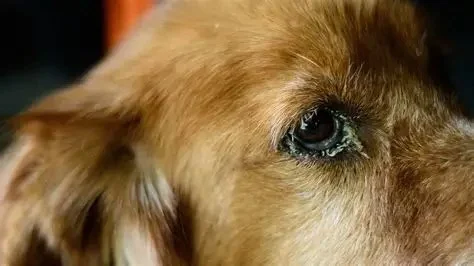
1. Introduction: The Importance of Canine Eye Health
As pet owners, ensuring our dogs are in optimal health goes beyond just feeding them well and providing exercise. One area often overlooked is their eye health. Canine eye disorders can significantly affect a dog’s quality of life, but with early detection and proper care, many of these issues can be managed or even prevented. In this article, we will explore common canine eye disorders and offer expert advice on how to prevent them, ensuring your dog maintains healthy vision throughout their life.
2. Common Canine Eye Disorders
2.1. Cataracts
Cataracts are one of the most common eye disorders in dogs, particularly in older dogs. A cataract is a clouding of the lens in the eye, which leads to blurry vision and can eventually cause blindness. While genetic factors often contribute to cataracts, they can also result from diabetes or trauma to the eye. Signs of cataracts include a cloudy or bluish appearance in the eye, difficulty navigating in low-light environments, or noticeable changes in behavior.
Preventive measures include managing conditions like diabetes, protecting your dog's eyes from injury, and ensuring they receive regular vet checkups, especially as they age. Regular eye exams can help detect cataracts early, and if surgery is required, early intervention improves the outcome.
2.2. Glaucoma
Glaucoma occurs when the pressure inside the eye becomes too high, damaging the optic nerve and potentially leading to blindness. Dogs with glaucoma may exhibit symptoms such as squinting, redness of the eye, excessive tearing, or a cloudy appearance of the eye. This condition is often hereditary in certain breeds, including the Cocker Spaniel and the Basset Hound.
While you can’t prevent glaucoma entirely, early diagnosis is critical. Regular vet visits that include eye pressure tests can help detect changes before they lead to permanent vision loss. Treatment typically involves medication, and in some cases, surgery may be necessary to manage the condition.
2.3. Conjunctivitis (Pink Eye)
Conjunctivitis, also known as pink eye, is an inflammation of the tissue that covers the white part of the eyeball and the inside of the eyelids. It can be caused by bacteria, viruses, allergies, or irritants like dust or smoke. Symptoms of conjunctivitis include redness in the eyes, discharge, squinting, and pawing at the eyes.
Preventing conjunctivitis involves minimizing your dog's exposure to allergens and irritants. If your dog is prone to allergies, work with your vet to find effective treatments. Good hygiene, such as cleaning the eyes regularly with a damp cloth, can also help prevent bacterial or viral infections from taking hold.
2.4. Dry Eye (Keratoconjunctivitis Sicca)
Dry eye occurs when a dog’s eyes do not produce enough tears, leading to discomfort, inflammation, and even damage to the cornea. Symptoms of dry eye include a sticky or gooey discharge from the eyes, frequent blinking, and redness. Certain breeds, such as the Shih Tzu and Pug, are more prone to dry eye.
Preventive care includes keeping your dog’s environment free of irritants and monitoring for signs of discomfort. Treatment often involves prescription eye drops to replace lost moisture, and in severe cases, surgery may be necessary to stimulate tear production. Your vet will help guide you in managing this condition.
3. Prevention Tips for Healthy Dog Eyes
3.1. Regular Eye Checkups
One of the best ways to prevent canine eye disorders is by scheduling regular eye exams for your dog, especially if they are prone to eye issues due to genetics or age. During these exams, your vet will examine your dog’s eyes for any signs of cataracts, glaucoma, or other issues. Early detection allows for timely treatment, which can prevent conditions from worsening.
3.2. Protect Your Dog’s Eyes from Injury
Injuries to the eyes are common in dogs, especially those who are active and love to play outdoors. To prevent eye injuries, always supervise your dog during playtime, especially around sharp objects, and avoid areas where they could sustain eye trauma. Additionally, if your dog participates in outdoor activities, consider using protective dog goggles, especially if they are prone to eye problems.
3.3. Maintain Proper Hygiene
Good hygiene can prevent many eye problems, particularly infections. Regularly cleaning the area around your dog’s eyes with a soft, damp cloth can help prevent dirt and debris from causing irritation or infection. If your dog has long hair, make sure to trim it away from their eyes to prevent hair from irritating the delicate eye area.
3.4. Provide a Healthy Diet
A well-balanced diet rich in antioxidants, omega-3 fatty acids, and vitamins is essential for maintaining healthy eyes. These nutrients help protect the eyes from oxidative stress and promote overall eye health. Ensure that your dog’s diet includes high-quality pet food that supports their vision and general well-being. Your vet may also recommend specific supplements designed to boost eye health, especially if your dog is at risk for conditions like cataracts or glaucoma.
3.5. Avoid Exposure to Harsh Chemicals and Smoke
Exposure to harsh chemicals, smoke, or other environmental pollutants can irritate your dog’s eyes and lead to long-term damage. Make sure your dog’s living environment is free from smoke, heavy dust, or chemicals that could cause irritation. If you smoke, avoid doing so in areas where your dog spends a lot of time, and ensure that your home is well-ventilated.
4. When to See the Vet
If you notice any changes in your dog’s eyes, such as excessive tearing, squinting, a cloudy or red appearance, or pawing at the eyes, it’s important to seek veterinary care immediately. Early intervention can make a significant difference in the outcome of many eye conditions. Regular eye checkups and being proactive about your dog’s eye health will go a long way in preventing or managing eye disorders.
5. Conclusion: Ensuring Long-Term Eye Health for Your Dog
Understanding canine eye disorders and implementing preventive care can help ensure your dog enjoys good vision for years to come. With regular checkups, proper hygiene, and a healthy lifestyle, many common eye issues can be prevented or managed effectively. If you are ever unsure about your dog’s eye health, don’t hesitate to consult your vet for guidance and treatment options.
For more information on products and services that support your dog’s health, visit Brothers Pets, where you can find a wide range of pet care essentials tailored to your furry friend’s needs.




 New Ross Veterinary Services4.0 (176 reviews)
 Lincolnwood Animal Hospital4.0 (18 reviews)
 Pacific City Veterinary Care4.0 (88 reviews)
 Kirkwood Veterinary Hospital4.0 (394 reviews)
 Day Road Animal Hospital4.0 (70 reviews)
 Healing Paws Veterinary Center5.0 (54 reviews)
 How to Clean Your Cat’s Ears Safely at Home | Simple Tips and Advice
 How to Spot Early Signs of Cancer in Pets and What to Do Next
 How to Spot and Treat Stress-Related Symptoms in Pets
 Dog Grooming Tips for Maintaining a Healthy Coat | Brothers Pets
 Tips for Reducing Shedding in Long-Haired Dogs | Grooming Advice
 Best Methods for Crate Training a Puppy Successfully: Tips and Techniques