
- 1. Understanding Shedding in Long-Haired Dogs
- 2. Common Causes of Shedding in Long-Haired Dogs
- 3. Grooming Techniques to Reduce Shedding
- 4. The Role of Diet and Health in Reducing Shedding
- 5. Best Products to Manage Shedding
1. Understanding Shedding in Long-Haired Dogs
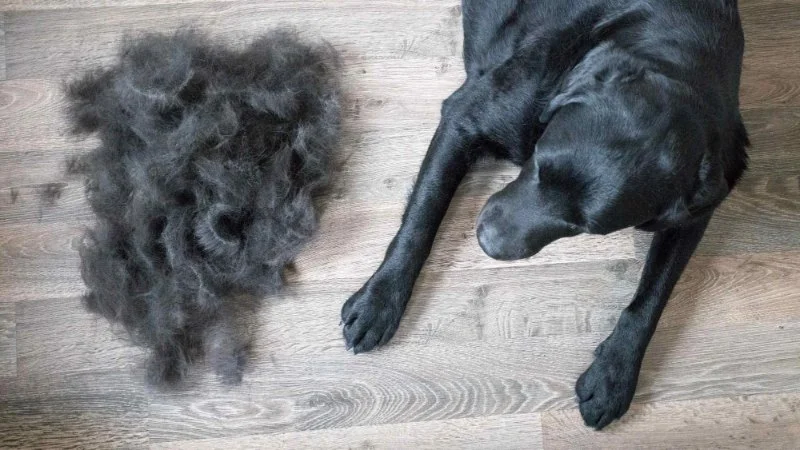
Shedding is a natural process for all dogs, but it can be especially noticeable in long-haired breeds. These dogs tend to have thicker coats, and as a result, their shedding may seem more frequent or intense. While shedding is an inevitable part of a dog's life, excessive shedding can often be managed with the right grooming and care techniques.
Understanding why dogs shed and how their coat functions is essential to reducing shedding. Dogs shed to get rid of old hair, making room for new growth. In long-haired dogs, the shedding cycle can be more noticeable because of the density and length of their fur.
2. Common Causes of Shedding in Long-Haired Dogs
There are several factors that influence the amount of shedding in long-haired dogs. Identifying these causes can help you address shedding more effectively:
1. Seasonal Changes: Dogs tend to shed more during seasonal transitions, especially in the spring and fall. Long-haired breeds, in particular, may experience a more significant shedding cycle during these times as they adjust to temperature changes.
2. Diet and Nutrition: Poor nutrition can lead to excessive shedding. Dogs that are not getting enough of the right nutrients may shed more, as their bodies are not in optimal condition.
3. Health Issues: Excessive shedding can sometimes be a sign of underlying health problems such as allergies, skin infections, or hormonal imbalances. If your dog is shedding more than usual, it’s essential to check for any signs of illness.
4. Stress and Anxiety: Just like humans, dogs can experience stress and anxiety, which may lead to increased shedding. Changes in environment, routine, or even new additions to the family can trigger this response.
3. Grooming Techniques to Reduce Shedding
Proper grooming is one of the most effective ways to control shedding in long-haired dogs. Here are some key techniques to help manage your dog’s shedding:
1. Regular Brushing: Brushing your dog’s coat regularly is the most important step in reducing shedding. For long-haired dogs, brushing should be done at least 3-4 times a week to prevent tangles and mats, which can contribute to shedding. Use a brush designed for long-haired coats, such as a slicker brush or pin brush, to effectively remove loose hair.
2. Bathing with the Right Shampoo: Bathing your dog can help reduce shedding by removing dead hair and keeping the skin healthy. Use a gentle, dog-specific shampoo to avoid irritation. Make sure to rinse thoroughly to remove all the soap, as any residue left on the coat can cause dry skin and increased shedding.
3. Deshedding Tools: Consider investing in deshedding tools like a Furminator or a de-shedding comb. These tools are designed to remove loose fur from the undercoat, which is often responsible for excessive shedding in long-haired dogs.
4. Professional Grooming: If you’re not able to keep up with the grooming yourself, professional groomers can help manage your dog’s shedding. A groomer can give your dog a thorough bath, trim their coat, and even remove excess hair that can be difficult to handle at home.
4. The Role of Diet and Health in Reducing Shedding
Nutrition plays a critical role in reducing shedding in long-haired dogs. A balanced diet helps promote healthy skin and a shiny, strong coat. Here are some dietary tips for reducing shedding:
1. Omega-3 Fatty Acids: Omega-3 fatty acids are known to improve skin health and coat condition. Adding omega-3-rich foods, such as salmon or flaxseed, or incorporating a fish oil supplement into your dog’s diet can help reduce shedding and promote a healthier coat.
2. Protein-Rich Diet: A protein-rich diet supports hair growth and helps keep the coat strong and shiny. Ensure your dog’s food contains high-quality protein sources like chicken, beef, or lamb to promote healthy fur.
3. Hydration: Proper hydration is essential for overall health, including skin health. Make sure your dog has access to fresh water at all times to prevent dry skin and excessive shedding.
4. Regular Vet Checkups: If you notice an increase in shedding, it’s important to consult with a vet to rule out any underlying health issues. Conditions like allergies, parasites, or thyroid imbalances can cause excessive shedding, and addressing these health concerns will help reduce the problem.
5. Best Products to Manage Shedding
There are several products available that can help reduce shedding in long-haired dogs. Here are some of the best options to consider:
1. Deshedding Shampoos and Conditioners: Shampoos and conditioners designed specifically for shedding control can help reduce the amount of fur your dog sheds. These products are formulated to nourish the coat and reduce excessive hair loss.
2. Anti-Shedding Sprays: Anti-shedding sprays are designed to reduce the amount of hair your dog sheds by conditioning the coat and preventing hair from falling out. These sprays can be used in conjunction with brushing to further minimize shedding.
3. Grooming Gloves: Grooming gloves are a convenient tool for long-haired dogs. These gloves allow you to gently massage your dog’s coat while removing loose fur. They’re especially effective for dogs who are sensitive to brushing or have thicker coats.
If you’re looking for the best products to manage your dog’s shedding, visit [Brothers Pets], where you can find a wide range of grooming tools, shampoos, and other care products designed to reduce shedding and keep your dog’s coat in top condition.




 Petco4.0 (566 reviews)
 Dope Exotics Reptiles5.0 (25 reviews)
 Fox & Friends Animal Hospital4.0 (434 reviews)
 Northgate Pet Clinic4.0 (882 reviews)
 Vetco Vaccination Clinic4.0 (15 reviews)
 Hononegah Animal Hospital4.0 (218 reviews)
 The Benefits of Regular Vet Check-Ups for Your Pet
 How to Care for Your Dog’s Teeth Without Stress
 How to Recognize and Treat the Symptoms of Flea Allergic Dermatitis
 How to Help Your Pet Overcome Separation Anxiety: Effective Strategies
 How to Clean Your Cat’s Ears Safely at Home | Simple Tips and Advice
 Top 8 Tips for Pet Training That Actually Work