
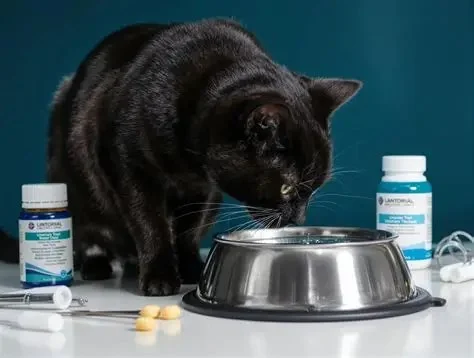
- Understanding Urinary Tract Issues in Pets
- Common Causes of Urinary Tract Issues
- Symptoms to Watch For
- Treating Urinary Tract Issues in Pets
- Preventing Urinary Tract Issues in Pets
- Recommended Products & Services
Understanding Urinary Tract Issues in Pets
Urinary tract problems in pets, including cats and dogs, are relatively common and can cause a range of symptoms that affect their overall health and comfort. These issues can range from mild infections to more serious conditions like kidney stones or bladder infections. It’s crucial to understand how to recognize and address urinary tract issues early to prevent them from worsening and causing significant health problems for your furry friends.
Common Causes of Urinary Tract Issues
Urinary tract issues in pets can be caused by a variety of factors. Here are some of the most common causes:
1. Urinary Tract Infections (UTIs)
Just like humans, pets can suffer from urinary tract infections. UTIs occur when bacteria enter the urinary system and cause inflammation. These infections are more common in female pets, but both cats and dogs can be affected.
2. Bladder Stones
Bladder stones form when minerals in the urine crystallize and form hard lumps. These stones can cause painful blockages in the urinary tract, leading to discomfort and potential health complications for your pet.
3. Hormonal Imbalances
Hormonal imbalances, particularly in older pets, can contribute to urinary issues. Diabetes and Cushing’s disease are two common conditions that can lead to frequent urination or accidents.
Symptoms to Watch For
Recognizing the symptoms of urinary tract issues early can help prevent further complications. Here are some signs that your pet may be suffering from a urinary tract issue:
1. Frequent Urination
If your pet is urinating more frequently than usual, or seems to be trying to urinate but cannot, it may indicate a urinary problem. This could be a sign of an infection or bladder stones.
2. Straining to Urinate
If your pet is straining or showing signs of discomfort when trying to urinate, this is a clear indication that something is wrong. This could be due to a blockage or infection.
3. Blood in Urine
Seeing blood in your pet’s urine is a serious symptom that should be addressed immediately. This can be a sign of infection, bladder stones, or injury.
4. Accidents in the House
If your pet has suddenly started urinating inside the house or in unusual places, it may be due to an underlying urinary tract problem that needs attention.
Treating Urinary Tract Issues in Pets
If your pet is diagnosed with a urinary tract issue, treatment will vary depending on the underlying cause. Here are common treatment options:
1. Antibiotics for UTIs
If your pet is diagnosed with a urinary tract infection, your veterinarian will likely prescribe antibiotics to clear the infection. It’s important to follow the prescribed course of antibiotics to ensure the infection is fully treated.
2. Surgery for Bladder Stones
In some cases, bladder stones may need to be surgically removed if they are too large to pass on their own. Your vet will discuss the best options based on your pet’s condition.
3. Medications for Incontinence
If your pet’s urinary issues are related to incontinence or hormonal imbalances, medications may be prescribed to help manage the condition and reduce accidents.
Preventing Urinary Tract Issues in Pets
While some urinary tract issues may be unavoidable, there are steps you can take to reduce the likelihood of them occurring in your pet:
1. Ensure Proper Hydration
One of the most important ways to prevent urinary tract problems is to ensure your pet drinks enough water. Hydration helps flush out toxins and bacteria from the urinary system.
2. Regular Vet Check-Ups
Regular veterinary visits can help catch urinary tract issues early. Your vet can perform urine tests to check for signs of infections or other problems before they become serious.
3. Promote a Balanced Diet
Feeding your pet a high-quality, well-balanced diet can help prevent urinary tract issues. Foods formulated to support urinary health can help maintain a healthy bladder and reduce the formation of bladder stones.
Recommended Products & Services
If you’re looking to maintain your pet’s urinary health, Brothers Pets offers a wide selection of products designed to promote urinary health in both cats and dogs. From specially formulated diets to urinary health supplements, our store has what you need to keep your pet healthy. For more information on the best urinary health products, visit our website today!






 Heartstrings Pet Hospice, In-Home Euthanasia & Aftercare - Denver4.0 (41 reviews)
 Westside Veterinary Hospital: Mahan Dixie DVM5.0 (6 reviews)
 Rush Veterinary Center4.0 (645 reviews)
 Battlefield Veterinary Clinic4.0 (132 reviews)
 The Puppy Gallery LLC4.0 (27 reviews)
 Veterinary Healing Center of El Dorado Hills4.0 (167 reviews)
 How to Properly Introduce Cats to New Environments – Tips for a Smooth Transition
 How to Prevent and Treat Heatstroke in Dogs During Summer: A Complete Guide
 Beginner's Guide to Pet Fitness: Safe, Fun & Healthy Routines for All Pets
 How to Manage Pet Health with the Right Supplements | Brothers Pets
 How to Keep Your Senior Cat Active and Engaged – Tips for Healthy Aging
 How to Spot Early Signs of Cancer in Pets and What to Do Next