
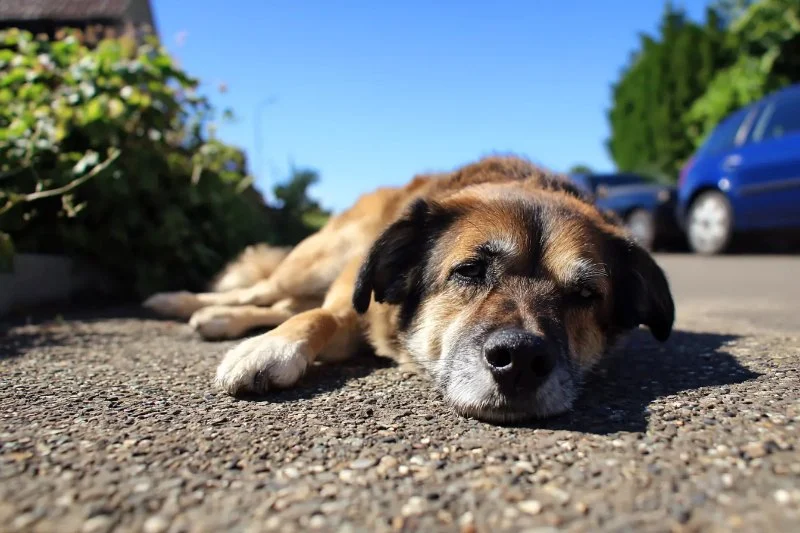
How to Prevent and Treat Heatstroke in Dogs During Summer
- 1- Understanding Heatstroke in Dogs
- 2- Symptoms of Heatstroke in Dogs
- 3- Preventing Heatstroke in Dogs
- 4- How to Treat Heatstroke in Dogs
- 5- When to Call a Veterinarian
1- Understanding Heatstroke in Dogs
During the summer months, dogs are at higher risk for heat-related issues, with heatstroke being one of the most serious conditions they can face. Heatstroke occurs when a dog’s body temperature rises above a safe level, often due to prolonged exposure to high temperatures or excessive physical activity. Unlike humans, dogs can’t sweat to cool themselves down, so they rely on panting and external cooling methods. When these mechanisms fail, heatstroke can develop rapidly, leading to severe health consequences.
2- Symptoms of Heatstroke in Dogs
Recognizing the signs of heatstroke in dogs early is crucial for preventing long-term damage. Common symptoms include:
- Excessive panting: If your dog is panting more than usual, it may be struggling to regulate body temperature.
- Drooling: Increased drooling can be a sign of distress.
- Red or pale gums: Check your dog’s gums for color changes, as they may indicate poor circulation.
- Vomiting or diarrhea: These are common signs of overheating and stress on the digestive system.
- Weakness or collapse: Heatstroke can cause your dog to become weak, uncoordinated, or even collapse.
- Increased heart rate: A faster-than-normal heart rate can indicate distress from heatstroke.
3- Preventing Heatstroke in Dogs
Prevention is always the best way to avoid heatstroke in dogs, especially during the summer. Here are some important tips:
- Keep your dog hydrated: Ensure that your dog always has access to fresh water, especially when outdoors during hot weather.
- Provide shaded areas: If your dog is outside, make sure there is a shaded area where they can rest and cool down.
- Limit exercise during peak heat: Avoid intense exercise, especially during the hottest part of the day (typically between 10 AM and 4 PM).
- Use cooling products: There are dog cooling mats, cooling vests, and even portable fans that can help keep your dog comfortable in the heat.
- Never leave your dog in a car: Even with the windows cracked, the temperature inside a car can rise rapidly, leading to heatstroke in minutes.
4- How to Treat Heatstroke in Dogs
If you suspect that your dog is suffering from heatstroke, it’s critical to act quickly. Here are steps to take immediately:
- Move your dog to a cooler area: Get them out of direct sunlight or a hot environment and into a shaded, cooler space.
- Offer water: Give your dog cool (not ice-cold) water to drink in small amounts. Do not force them to drink.
- Cool your dog down: Use cool (not freezing) water to gently wet their body, focusing on their belly, paws, and head. A fan can help increase evaporation.
- Take their temperature: If you have a thermometer, check your dog’s temperature. Normal dog body temperature is between 101 and 102.5°F (38.3-39.2°C). If it exceeds 104°F (40°C), seek immediate veterinary help.
- Monitor your dog’s condition: Keep a close watch on your dog’s breathing and behavior. If they show no improvement within 15 minutes, contact a veterinarian.
5- When to Call a Veterinarian
Heatstroke is a serious condition that can lead to organ damage, brain injury, or even death. If your dog shows any signs of severe heatstroke (like collapse, excessive vomiting, or confusion), you should seek veterinary care immediately. Even if symptoms seem to improve after cooling your dog down, it's still a good idea to have a veterinarian check them over. Early intervention can make a significant difference in your dog’s recovery.
If you're unsure of your dog's condition, it's always better to be cautious and call a veterinarian. Additionally, routine health check-ups and preventive care can ensure that your dog remains healthy and better equipped to handle extreme temperatures.




 Modern Animal4.0 (110 reviews)
 Brykerwood Veterinary Clinic4.0 (253 reviews)
 Woodbury Animal Hospital4.0 (180 reviews)
 Moon Veterinary Hospital4.0 (394 reviews)
 East Holmes Veterinary Clinic4.0 (37 reviews)
 Mike's Mobile Veterinary Service4.0 (164 reviews)
 How to Reduce Anxiety in Dogs During Car Rides | Proven Tips
 Best Practices for Crate Training Your Puppy
 How to Improve Your Pet’s Dental Health: Expert Tips and Daily Care
 How to Identify and Treat Allergic Dermatitis in Cats – Guide for Pet Owners
 The Ultimate Guide to Pet Training: Tips, Tools & Expert Advice
 How to Identify and Treat Flea Bites on Cats – Effective Care Tips