
- How to Identify and Treat Allergic Dermatitis in Cats
- What is Allergic Dermatitis in Cats?
- Symptoms of Allergic Dermatitis in Cats
- How to Diagnose Allergic Dermatitis in Cats
- Treatment Options for Allergic Dermatitis in Cats
- How to Prevent Allergic Dermatitis in Cats
- Why Choose Brothers Pets for Your Cat's Health Needs
1. How to Identify and Treat Allergic Dermatitis in Cats
Allergic dermatitis in cats is a common condition that affects the skin, leading to discomfort, itching, and visible changes in the coat and skin. It is often caused by allergies to food, fleas, pollen, dust mites, or other environmental factors. Recognizing the symptoms early and seeking proper treatment is essential to help your cat lead a comfortable life.
In this article, we will explore how to identify allergic dermatitis in cats, what triggers it, and the various treatment options available. We’ll also discuss how you can prevent future flare-ups and maintain your cat’s skin health.
2. What is Allergic Dermatitis in Cats?
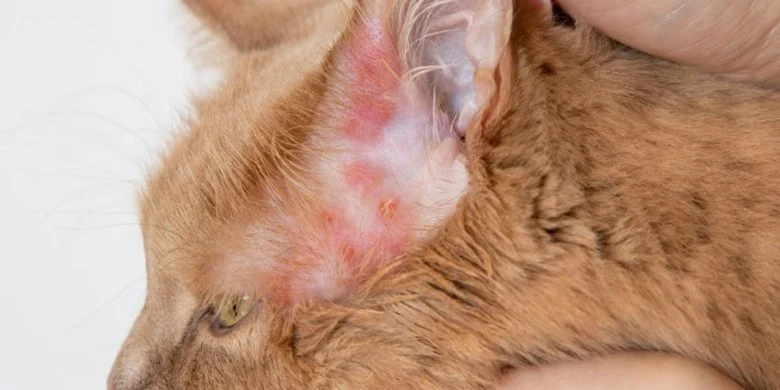
Allergic dermatitis is an inflammation of the skin caused by an allergic reaction. Cats with allergic dermatitis experience intense itching, which can lead to excessive grooming, hair loss, and open sores. The condition is often triggered by allergens such as flea saliva, certain food ingredients, or airborne allergens like pollen.
This condition can affect cats of any breed, but certain breeds, like Siamese and Burmese, may be more predisposed to developing allergic reactions. The good news is that allergic dermatitis is treatable with the right management and care.
3. Symptoms of Allergic Dermatitis in Cats
Identifying allergic dermatitis early can help you avoid more serious complications. The most common symptoms of allergic dermatitis in cats include:
- Excessive Scratching and Grooming: Cats with allergic dermatitis often scratch excessively or groom more than usual, attempting to relieve the discomfort caused by itching.
- Hair Loss: Over-grooming can lead to bald patches or thinning fur, especially around the face, ears, belly, or back.
- Red, Inflamed Skin: You may notice red or irritated areas on your cat’s skin, often accompanied by bumps or scabs.
- Skin Infections: Open sores or lesions from scratching can lead to secondary infections, which may require additional treatment.
- Ear Infections: Cats with allergic dermatitis may develop ear infections, which can cause them to shake their heads or scratch their ears.
- Behavioral Changes: Because of the discomfort caused by the itching, cats may become more irritable or exhibit changes in behavior, such as increased anxiety or reluctance to interact.
4. How to Diagnose Allergic Dermatitis in Cats
If you suspect your cat has allergic dermatitis, it’s important to schedule a visit with your veterinarian. The vet will perform a thorough physical examination and may recommend additional diagnostic tests, such as:
- Allergy Testing: Blood tests or skin tests can help identify the specific allergens causing the reaction. This is particularly helpful if the cause is environmental, such as pollen or dust mites.
- Flea Control Trials: If your cat has flea-related allergic dermatitis, your vet may recommend a flea control trial to see if the itching improves with flea treatment.
- Elimination Diet: If food allergies are suspected, your vet may recommend an elimination diet to identify which ingredients might be triggering the allergic reaction.
- Skin Scrapings and Cultures: To rule out secondary infections, your vet may take skin samples to check for bacterial or fungal infections.
5. Treatment Options for Allergic Dermatitis in Cats
Treatment for allergic dermatitis in cats typically involves managing the symptoms and addressing the underlying cause. Here are the most common treatment options:
- Flea Control: If fleas are the culprit, your vet will recommend an effective flea treatment plan, which may include topical medications, oral flea preventatives, or flea collars.
- Antihistamines: For environmental allergies, antihistamines can help control itching and inflammation. However, these may not work for all cats.
- Corticosteroids: For severe cases of allergic dermatitis, corticosteroids may be prescribed to reduce inflammation and itching. These should be used under veterinary supervision due to potential side effects with long-term use.
- Immunotherapy: Allergy shots or sublingual drops can help desensitize your cat to specific allergens over time, offering long-term relief.
- Topical Treatments: Shampoos, sprays, and ointments designed for skin conditions can soothe irritated skin and help prevent infections.
- Dietary Changes: If food allergies are identified, switching to a hypoallergenic or elimination diet can significantly improve your cat’s condition.
6. How to Prevent Allergic Dermatitis in Cats
While it may not always be possible to prevent allergic dermatitis entirely, there are steps you can take to minimize the risk of flare-ups:
- Regular Flea Prevention: Keep your cat on a year-round flea prevention program to avoid flea-related allergic dermatitis.
- Keep the Environment Clean: Regular cleaning of your home, including vacuuming to reduce dust mites and pollen, can help reduce environmental allergens.
- Monitor Food Ingredients: If your cat has food allergies, work with your veterinarian to ensure they are on a hypoallergenic diet that avoids common allergens.
- Limit Exposure to Allergens: If your cat is allergic to certain environmental factors, try to limit their exposure to those allergens as much as possible.
7. Why Choose Brothers Pets for Your Cat's Health Needs
At Brothers Pets, we understand how challenging it can be to manage your cat’s health, especially when dealing with conditions like allergic dermatitis. Our platform offers a variety of products and resources to help you manage your cat’s skin health, from flea prevention treatments to specialized hypoallergenic diets.
Visit Brothers Pets to find high-quality products that can assist with treating and preventing allergic dermatitis in cats, along with expert advice on keeping your pet healthy and happy.






 Dr. Sue's Animal Clinic5.0 (103 reviews)
 Hollywood Feed4.0 (166 reviews)
 Dr. Robert L. Hocker V. M. D.4.0 (16 reviews)
 Red Bank Veterinary Hospital (RBVH) - Hillsborough4.0 (1020 reviews)
 Animal Clinic of Mandarin4.0 (114 reviews)
 Harwood Veterinary Hospital, LLC4.0 (148 reviews)
 How to Spot and Treat Endocrine Disorders in Pets
 How to Provide Comfort for Pets with Arthritis
 Preventing and Treating Separation Anxiety in Dogs and Cats
 Human Foods That Are Surprisingly Safe for Dogs: A Guide for Pet Owners
 How to Help Your Pet Cope with Hot Weather - Brothers Pets
 Is Your Pet’s Travel Preparation on Track? Essential Guide & Tips