
- 1-Preparing Your Home for the New Puppy
- 2-How to Make the First Introduction
- 3-Managing Behavior Between the Puppy and Older Dogs
- 4-Tips to Maintain Peace Between Your Pets
- 5-Monitoring Your Pets’ Health During the Transition
1-Preparing Your Home for the New Puppy
Before bringing a new puppy into your home, it’s essential to prepare your environment for a smooth transition. Older dogs, particularly those who have been the sole pet for a while, may take time to adjust to a new companion. To ensure the process goes smoothly, take the following steps:
- Create Separate Spaces: Set up distinct areas for your puppy and your older dog, including their sleeping and eating spaces. This helps each pet feel secure and reduces territorial issues.
- Gather Essential Supplies: Make sure you have the necessary supplies for both pets—food, bedding, toys, and grooming tools—so neither pet feels neglected or displaced.
- Establish a Routine: Keep a consistent routine with both pets, including feeding times, walks, and playtime. Predictability will make both pets feel more secure during the transition.
2-How to Make the First Introduction
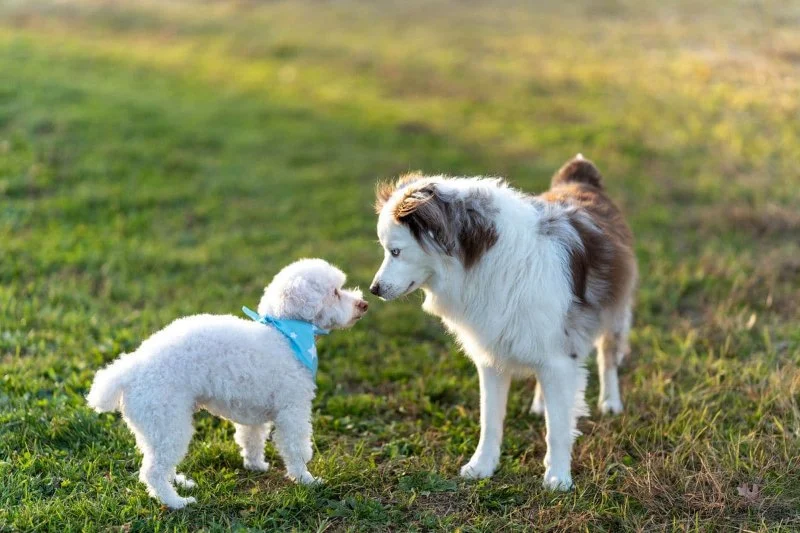
The first meeting between your new puppy and older dog can set the tone for their relationship. To make this introduction as smooth as possible, follow these steps:
- Introduce Them Gradually: Start with a calm, controlled introduction. Keep both pets on a leash or in separate rooms at first. Allow them to sniff each other through a barrier, such as a gate or door, to gauge their interest without direct contact.
- Use Positive Reinforcement: Reward both pets with treats and praise for calm behavior. This will help them associate each other with positive experiences.
- Keep the First Meeting Short: Limit the first interaction to a few minutes, allowing both pets to get used to the presence of one another without overwhelming them.
3-Managing Behavior Between the Puppy and Older Dogs
After the initial introduction, it’s important to monitor how the puppy and older dog interact with each other. Here’s how you can manage their behavior:
- Supervise Interactions: Always supervise the puppy and older dog when they are together, especially during the first few weeks. Puppies tend to be playful and energetic, which may annoy older dogs who prefer a quieter environment.
- Address Aggression Quickly: If either dog shows signs of aggression or discomfort, intervene immediately. Separate them and allow both pets to calm down before trying again. It’s essential to avoid escalation.
- Provide Individual Attention: Don’t forget to spend quality one-on-one time with your older dog to prevent jealousy or feelings of neglect. Balance attention between your pets to maintain peace.
4-Tips to Maintain Peace Between Your Pets
Building a relationship between your older dog and a new puppy can take time. Here are a few tips to maintain peace between your pets:
- Provide Plenty of Exercise: Make sure both pets get enough physical exercise. A tired dog is less likely to engage in unwanted behaviors, and regular exercise will help them both burn off excess energy.
- Set Boundaries: Train your puppy with basic commands and establish boundaries early. This will help them understand acceptable behavior around the older dog.
- Respect the Older Dog's Space: Ensure your older dog has places to retreat to when they need a break from the puppy. Having a safe space where they can relax without being bothered will make the transition easier for them.
5-Monitoring Your Pets’ Health During the Transition
During the introduction process, it’s important to keep an eye on both pets' health, especially if there’s any stress or behavioral changes. Here’s how to monitor their well-being:
- Watch for Stress Symptoms: Keep an eye out for signs of stress in both your puppy and older dog, such as changes in eating habits, excessive barking, or hiding. If these symptoms persist, consult a veterinarian.
- Ensure Regular Vet Visits: Both pets should have regular vet check-ups to ensure they are healthy and to address any concerns related to their introduction or behavior.
- Monitor Your Older Dog's Energy Levels: Older dogs may not have the same energy levels as puppies, so be mindful of how much playtime and exercise they can handle. Adjust activities as needed to avoid overexertion.
Introducing a new puppy to an older dog requires patience and time. With the right approach and proper supervision, you can help foster a loving relationship between your pets. For more expert advice and tips on raising multiple pets, visit [Brothers Pets] for helpful products and services tailored to your needs.





 Vetco Vaccination Clinic4.0 (12 reviews)
 Petco4.0 (771 reviews)
 Petco4.0 (385 reviews)
 Petco4.0 (401 reviews)
 Mountain Grove Veterinary Clinic4.0 (47 reviews)
 Lynnwood Animal Hospital4.0 (139 reviews)
 How to Safely Administer Flea Treatments to Your Pet | Brothers Pets
 Understanding Pet Arthritis: Symptoms and Management for Better Care
 How to Properly Introduce Cats to New Environments – Tips for a Smooth Transition
 Best Practices for Potty Training Your Puppy Successfully
 Is Your Pet’s Travel Preparation on Track? Essential Guide & Tips
 Benefits of Omega-3 Fatty Acids for Pets: Improve Health and Wellness