
- 1 - Why Flea Prevention Matters for Young Pets
- 2 - Understanding Safe Options for Puppies and Kittens
- 3 - Veterinarian Recommended Treatments
- 4 - Natural Approaches and Home Care Practices
- 5 - Real-Life Story of Flea Control Success
- 6 - How Brothers Pets Supports Pet Owners in Finding the Right Solutions
1 - Why Flea Prevention Matters for Young Pets
Fleas may seem like a minor nuisance, but for puppies and kittens, these parasites can be dangerous. Because young animals are still developing, even a small flea infestation can cause anemia, severe itching, skin infections, and in some cases, the transmission of tapeworms. Early prevention and treatment are critical to maintaining the health and comfort of your pet, especially during their fragile first months of life.
2 - Understanding Safe Options for Puppies and Kittens
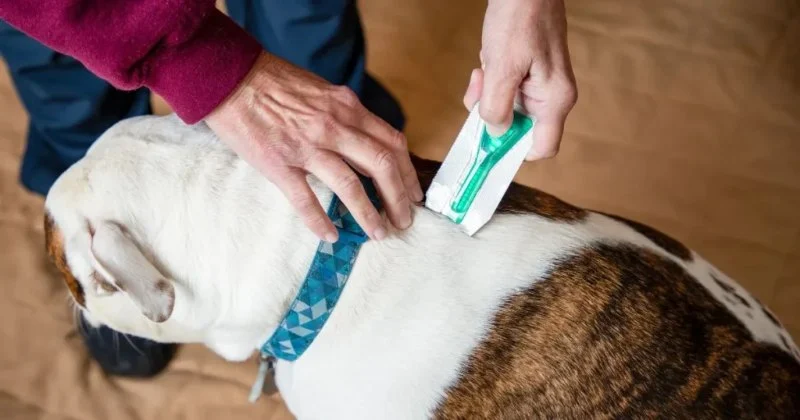
Not all flea treatments are safe for very young animals. Puppies under 8 weeks old and kittens under 12 weeks old often have more limited options. Owners must be cautious and use only products that have been specifically formulated for their age and weight range. For example, flea combing is one of the safest methods for very young pets until they reach the appropriate age for topical or oral medications. Bathing with mild, vet-approved shampoos can also provide temporary relief without exposing pets to harsh chemicals.
3 - Veterinarian Recommended Treatments
Veterinarians often recommend topical treatments such as selamectin or imidacloprid-based products for slightly older puppies and kittens. Oral medications, while effective, are usually reserved for pets that have reached the minimum weight threshold. A veterinarian’s guidance ensures not only safety but also the best outcome in controlling fleas. Many vets also encourage pet owners to treat the environment, since flea eggs and larvae can survive in bedding, carpets, and furniture, reinfesting pets after treatment.
4 - Natural Approaches and Home Care Practices
Some pet owners prefer to combine traditional treatments with natural approaches. Frequent vacuuming, washing bedding in hot water, and using flea combs daily can help reduce infestations. While essential oils are sometimes marketed as natural flea repellents, many are unsafe for young pets, making it important to avoid DIY solutions that could harm them. Safe natural support involves maintaining cleanliness and using products approved by veterinarians, ensuring both safety and effectiveness.
5 - Real-Life Story of Flea Control Success
A family in Florida shared their experience with a litter of kittens found in their backyard. The kittens were only 5 weeks old and heavily infested with fleas. Because they were too young for most medications, the family used flea combs multiple times a day and bathed them gently with a vet-recommended shampoo. Once the kittens reached 12 weeks, a veterinarian prescribed a safe topical treatment. Within weeks, the kittens were flea-free, gaining weight, and thriving. This case highlights the importance of patience and careful age-appropriate care.
6 - How Brothers Pets Supports Pet Owners in Finding the Right Solutions
Finding safe flea treatments for puppies and kittens can feel overwhelming, especially for first-time pet owners. At Brothers Pets, customers can explore carefully curated products designed for young pets, including veterinarian-recommended flea preventatives, grooming tools, and nutritional supplements that support recovery from flea-related stress. With expert guidance and high-quality products, Brothers Pets helps pet owners ensure that their puppies and kittens remain happy, healthy, and flea-free.




 Premier Pet Supply4.0 (1275 reviews)
 Avon Veterinary Clinic4.0 (112 reviews)
 Limehouse Veterinary Clinic4.0 (155 reviews)
 Skiatook Animal Clinic4.0 (341 reviews)
 New Market Veterinary Clinic4.0 (201 reviews)
 Island Pet Veterinary Hospital4.0 (322 reviews)
 Expert Advice on Pet Grooming for Healthier, Happier Pets
 How to Keep Your Pet’s Coat Free from Tangles and Mats
 How to Recognize and Treat Skin Allergies in Cats
 Best Practices for Cat Grooming at Home
 How to Support a Dog Recovering from Surgery | Tips & Advice for Pet Owners
 How to Recognize and Treat Common Pet Illnesses and Conditions Effectively