
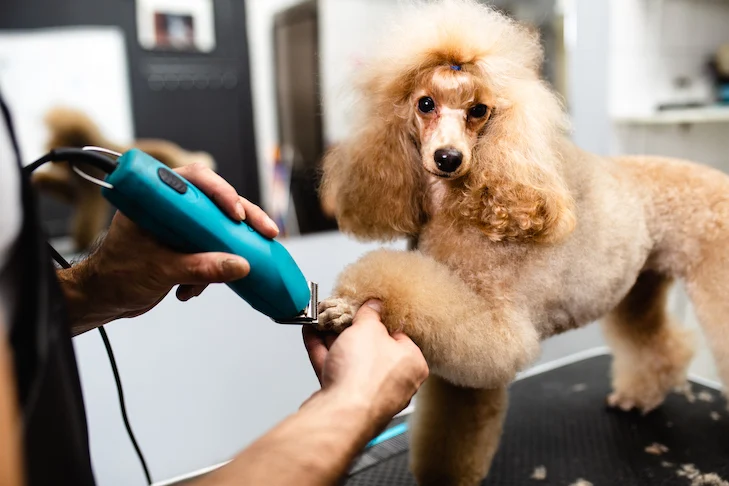
- understanding-pet-grooming-needs
- choosing-the-right-tools-and-products
- timing-and-frequency-matter
- techniques-for-stress-free-grooming
- professional-grooming-vs-home-care
- case-study-grooming-turnaround-success
1. Understanding Pet Grooming Needs
Pet grooming isn’t just about keeping your furry friend looking good—it plays a crucial role in their overall health and happiness. Different breeds and coat types require specific grooming routines. A long-haired Persian cat will need daily brushing, while a short-coated pug may get by with a weekly once-over.
Regular grooming helps prevent skin infections, parasites, and painful matting. It's also a bonding activity when done correctly. Experts recommend starting grooming routines early in a pet’s life so they can build trust and tolerance over time.
2. Choosing the Right Tools and Products
2.1. Tailored for Breed and Coat Type
One size does not fit all when it comes to grooming tools. Double-coated breeds like Golden Retrievers benefit from undercoat rakes, while smooth-coated dogs may only need a gentle bristle brush. Clippers, nail grinders, and shedding combs should be chosen based on your pet’s size and temperament.
2.2. Product Quality Matters
Using poor-quality shampoos or scissors can lead to irritation or injury. Always opt for pet-safe, hypoallergenic grooming products. Many pet owners trust recommendations from Brothers Pets for tried-and-tested grooming kits and shampoos that suit even the most sensitive pets.
3. Timing and Frequency Matter
Bathing your dog every week might seem like a good idea, but it can strip natural oils from the coat and dry out the skin. Most dogs only need a bath once every four to six weeks unless they get particularly dirty or have a skin condition.
Similarly, over-trimming nails or brushing too aggressively can cause discomfort. Setting a grooming schedule and sticking to it ensures pets stay clean and healthy without being overhandled.
4. Techniques for Stress-Free Grooming
4.1. Making It a Positive Experience
The grooming process should never feel like punishment. Use treats, praise, and short sessions to desensitize pets to grooming tools. Touch their paws, ears, and tail regularly to reduce flinching or resistance.
4.2. Recognizing Signs of Anxiety
Heavy panting, trembling, or trying to escape are signs your pet is overwhelmed. Take a break or switch to a more calming method. One owner reported that switching from clippers to a silent grooming glove completely changed their anxious cat’s behavior.
5. Professional Grooming vs. Home Care
While home grooming is great for routine maintenance, certain tasks like de-shedding during seasonal changes, trimming thick nails, or styling certain breeds are best left to professionals. Groomers are trained to spot early signs of health issues like skin infections or ear mites.
If you’re unsure which route is best for your pet, Brothers Pets offers guidance on local grooming services and products that bridge the gap between professional and at-home care.
6. Case Study: Grooming Turnaround Success
Take Bruno, a 5-year-old Bernedoodle whose grooming sessions were once a nightmare. His owner had given up on brushing because he’d growl and hide. After consulting a vet and a trainer, they introduced daily short grooming with high-value treats and a soft brush. Within a month, Bruno not only tolerated grooming—he began wagging his tail when he saw the brush.
Stories like Bruno’s prove that with the right approach and expert advice, grooming can go from dreaded chore to bonding moment. And with curated tools and support from trusted platforms like Brothers Pets, pet owners can feel empowered every step of the way.





 Neighborhood Vet Care4.0 (308 reviews)
 Supreme Exotics LLC - Coral's & Exotic Animal's Reptiles4.0 (141 reviews)
 Tri County Veterinary Services4.0 (62 reviews)
 Vine Animal Hospital5.0 (227 reviews)
 Wonder Paws0.0 (0 reviews)
 Vanzant Robert G DVM4.0 (37 reviews)
 How to Spot and Treat Allergies in Cats and Dogs: A Comprehensive Guide
 How to Care for Your Pet’s Mental Health – Expert Tips for Emotional Wellness
 How to Care for Exotic Pets: Tips for Special Pet Owners
 How to Recognize and Treat Joint Pain in Older Pets: A Complete Guide
 The Dos and Don’ts of Pet Diseases: What Every Pet Owner Should Know
 How to Introduce a New Puppy or Kitten to Your Older Pet: Tips for a Smooth Transition