
- Why Introducing a New Pet to an Older Pet is Important
- Preparing for the Introduction
- Step-by-Step Guide for Introducing a New Pet
- Common Challenges During Pet Introductions
- Keeping the Peace Between Pets
1. Why Introducing a New Pet to an Older Pet is Important
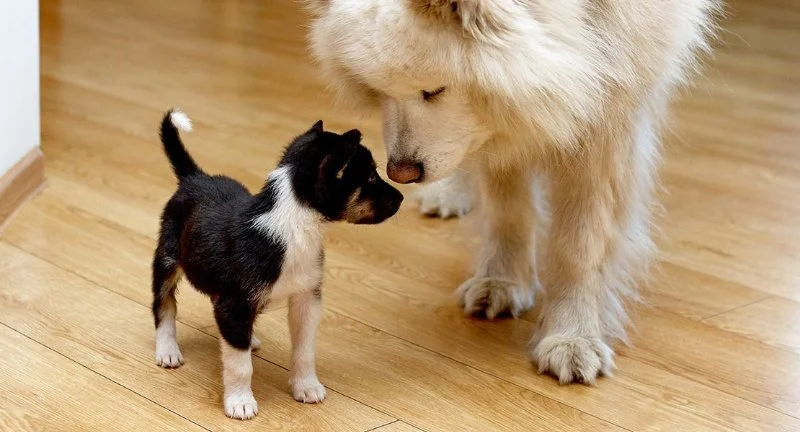
Bringing a new puppy or kitten into your home can be an exciting experience, but it can also be a bit nerve-wracking, especially if you already have an older pet. The way you introduce the new pet to your older companion can set the tone for their future relationship. A successful introduction can lead to a harmonious home where your pets coexist peacefully, while a poor introduction may cause stress, territorial issues, and even long-term behavioral problems.
1.1 Understanding Pet Dynamics
Each pet has its own personality, and older pets, especially those that have been the only pet in the household for a while, may find the arrival of a new pet unsettling. Cats and dogs are territorial creatures, and the new scent, energy, and presence of another animal can lead to anxiety. By understanding how pets perceive their environment and how they react to changes, you can better anticipate potential challenges during the introduction process.
1.2 The Benefits of a Proper Introduction
When introduced properly, your older pet and the new puppy or kitten can form a bond over time. Successful introductions can lead to companionship, play, and shared space without aggression or anxiety. Additionally, a good introduction builds trust between the pets and strengthens their bond with you as their caretaker. This ensures your pets feel safe and loved, reducing stress for everyone in the household.
2. Preparing for the Introduction
Before introducing your new pet to your older companion, there are several steps you can take to set both pets up for success:
2.1 Create a Safe Space for Each Pet
Ensure both pets have their own safe spaces where they can retreat to when they need a break. This is especially important for the older pet, who may feel threatened by the newcomer. Setting up separate areas for each pet allows them to acclimate to the situation at their own pace without feeling overwhelmed.
2.2 Get the Right Supplies
Make sure you have everything ready for the new pet. This includes food, water bowls, a bed, and toys. You’ll also need a leash or harness for the puppy or kitten during the introduction to help control the situation. For your older pet, ensure their environment is as comfortable as possible during the transition period.
2.3 Gradual Scent Introduction
Pets rely heavily on scent to understand their environment. Before the direct meeting, allow the pets to become familiar with each other’s scent. You can do this by swapping bedding or toys between the pets so they can get used to each other’s scent in a non-threatening manner.
3. Step-by-Step Guide for Introducing a New Pet
Here’s a structured approach to introducing a new puppy or kitten to your older pet:
3.1 Initial Introduction: Keep Them Separated
For the first introduction, keep the new pet in a separate room and allow the older pet to explore the new pet's scent through a door or gate. This initial introduction is important to gauge the older pet’s reaction and ensure they feel comfortable and safe.
3.2 Face-to-Face Meeting: Use a Leash or Carrier
When it’s time for the face-to-face introduction, keep the new puppy or kitten in a crate or on a leash, and let the older pet approach at their own pace. It’s important to control the interaction to prevent any sudden movements or aggressive reactions. Allow both pets to sniff each other from a distance without forcing contact.
3.3 Short, Positive Interactions
Initially, keep the interactions short and positive. Gradually increase the time they spend together as long as both pets seem comfortable. Reward both pets with treats and praise for calm behavior. If either pet shows signs of stress or aggression, separate them and try again later.
3.4 Monitor the Interactions
Always supervise interactions between your pets, especially during the first few weeks. This ensures that you can intervene if needed and helps the pets learn to behave appropriately around each other. Be patient—successful bonding can take time.
4. Common Challenges During Pet Introductions
Introducing a new pet to an older one can come with its challenges. Here are some common issues and how to address them:
4.1 Territorial Behavior
Older pets may become territorial, especially if they have been the only pet in the home for a long time. They may display behaviors such as growling, hissing, or chasing the new pet. To reduce territoriality, make sure to provide plenty of space for both pets and reinforce positive behaviors with rewards. Over time, they should begin to accept each other’s presence.
4.2 Jealousy
Jealousy can also be a concern, as your older pet may feel neglected or insecure due to the attention the new puppy or kitten is receiving. Make sure to continue providing individual attention and reassurance to your older pet, reinforcing their place in the family.
4.3 Aggression
If aggression occurs, separate the pets immediately and try again later, starting with a more gradual introduction. If aggression persists, consider consulting a pet behaviorist for expert advice on how to handle the situation effectively.
5. Keeping the Peace Between Pets
Once the initial introductions are made, maintaining peace between your older pet and new pet is key to a harmonious home. Here are some tips to ensure their relationship stays on track:
5.1 Maintain Separate Resources
Provide separate resources for each pet, including food and water bowls, beds, and toys. This reduces competition and prevents resource guarding. Each pet should have a designated space to call their own.
5.2 Gradual Socialization
Continue to encourage positive socialization between your pets. Allow them to interact under supervision and gradually increase their time together. Positive interactions will help them build trust and understanding of one another.
5.3 Reward Good Behavior
Always reward calm, friendly behavior from both pets with treats, praise, and affection. This reinforces positive associations with each other’s presence and encourages them to maintain peaceful interactions.
If you’re looking for the best products to help with the introduction of your new puppy or kitten, or need expert advice on managing your pets, visit Brothers Pets for recommended supplies and tips on keeping your pets happy and healthy.






 Angelus Pet Hospital4.0 (211 reviews)
 Urgent Petcare4.0 (335 reviews)
 Pet Doctor4.0 (625 reviews)
 Craven Creek Vet4.0 (238 reviews)
 Total Veterinary Care - Kennesaw4.0 (207 reviews)
 Margolis Jay DVM0.0 (0 reviews)
 How to Spot and Prevent Infections in Pet Wounds
 How to Improve Your Pet's Adoption Experience
 Beginner's Guide to Pet Insurance: What Every Pet Owner Should Know
 Best Practices for Cleaning Your Dog’s Paws After Walks
 Common Skin Conditions in Dogs and Their Treatments – Practical Guide for Pet Owners
 How to Prevent and Treat Skin Dryness and Itchiness in Pets