
- 1- Understanding Pet Wounds and Infections
- 2- Common Signs of Infection in Pet Wounds
- 3- Steps to Prevent Infections in Pet Wounds
- 4- Treatment Options for Pet Wounds
- 5- Real-Life Examples of Successful Pet Wound Care
1. Understanding Pet Wounds and Infections
Pets are naturally curious, and their active lifestyles sometimes lead to cuts, scrapes, and other injuries. While minor wounds are common, it’s essential to recognize the signs of infection early to prevent complications. Pet wound infections can occur when bacteria or fungi enter the wound, leading to redness, swelling, pus, and more severe health issues if left untreated.
Understanding how to properly care for pet wounds and recognizing the early signs of infection are key to ensuring that your pet heals quickly and comfortably. Infections in pet wounds can be caused by environmental factors, such as dirt and bacteria from the outdoors, or by improper wound care and neglect.
By taking proactive steps and learning how to spot infections early, you can keep your pet safe from unnecessary suffering and ensure their overall health remains intact during recovery.
2. Common Signs of Infection in Pet Wounds
Recognizing an infection in a pet’s wound is crucial for prompt treatment. Some common signs of infection in pet wounds include:
- Redness and Swelling: If the area around the wound becomes inflamed, red, or puffy, it may be a sign of infection. This typically happens due to the body’s immune response to the bacteria or fungi present in the wound.
- Heat: An infected wound often feels warm to the touch, indicating an inflammatory response as the body tries to fight off infection.
- Pus or Discharge: The presence of yellow, green, or cloudy discharge from the wound is a clear sign of infection. Pus is produced as the body’s immune cells attack the pathogens in the wound.
- Excessive Licking or Biting: Pets may lick or bite at the wound in an attempt to soothe discomfort. This can worsen the infection or delay healing if not addressed.
- Odor: An unpleasant, foul odor coming from the wound is a strong indication of infection. This can often be an alarming sign that medical attention is needed.
- Fever or Lethargy: If your pet shows signs of being unusually tired, weak, or has a fever, it may be a sign that the infection is spreading or affecting their overall health.
If you notice any of these symptoms, it’s essential to take action quickly and seek veterinary care to prevent the infection from worsening.
3. Steps to Prevent Infections in Pet Wounds
Preventing infections in pet wounds involves taking immediate action to clean and care for the wound properly. Here are the essential steps to help reduce the risk of infection:
- Clean the Wound Immediately: Gently clean the wound with warm water and mild soap to remove any dirt or debris. Avoid using harsh chemicals like hydrogen peroxide, as it can damage healthy tissue and delay healing.
- Disinfect the Area: After cleaning, use a pet-safe antiseptic to disinfect the wound. Consult your vet for recommended products. This helps kill any bacteria that could lead to infection.
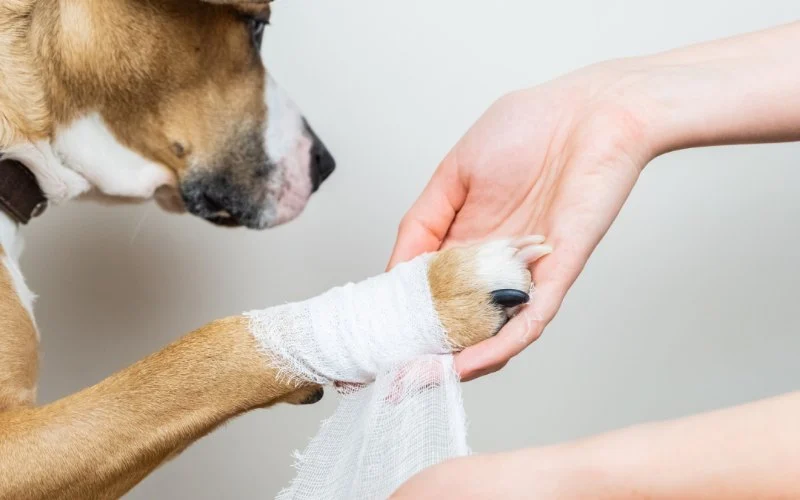
- Cover the Wound: For wounds that are large or located in an area where they could be easily dirtied, use a clean bandage to cover the wound. This protects the wound from bacteria and reduces the chances of contamination.
- Prevent Licking: If your pet is licking the wound, use an Elizabethan collar (cone) to prevent them from further irritating the injury and spreading bacteria into the wound.
- Keep the Area Dry: Moist environments encourage bacterial growth, so it’s essential to keep the wound as dry as possible. Make sure the bandage is dry and change it regularly.
- Monitor for Signs of Infection: Regularly check the wound for any signs of infection, including increased redness, swelling, or discharge. Early detection is key to preventing serious complications.
4. Treatment Options for Pet Wounds
If your pet's wound becomes infected, prompt veterinary care is essential. Treatment options may include:
- Antibiotics: If an infection is present, your vet may prescribe antibiotics to help fight off the bacterial infection. These could be administered orally or applied topically, depending on the severity of the wound.
- Wound Drainage: In more severe cases of infection, your vet may need to drain the wound to remove pus and promote faster healing.
- Bandaging and Dressing: Some wounds may require special bandaging or dressing to keep the wound protected and promote healing.
- Surgical Intervention: For deeper or more complex wounds, surgery may be necessary to properly clean and close the wound to prevent further infection.
Always follow your vet’s instructions for medication, wound care, and follow-up visits to ensure your pet heals properly.
5. Real-Life Examples of Successful Pet Wound Care
Here are a few real-life examples of successful pet wound care:
Example 1: Bella’s Scrape – Bella, a Labrador, suffered a deep cut on her leg after running through some brush. Her owner immediately cleaned the wound with warm water and applied an antiseptic ointment. Bella was prevented from licking the wound using an Elizabethan collar, and with regular check-ups and care, she made a full recovery without any infection.
Example 2: Max’s Surgical Recovery – Max, a German Shepherd, suffered a puncture wound during a play session with another dog. The wound became infected, and after a visit to the vet, Max was put on antibiotics and had the wound drained. His owner followed the vet’s instructions for post-surgical care, and Max healed well, with no long-term complications.
These examples highlight the importance of quick action and proper wound care to prevent infection and ensure a smooth recovery for pets.




 The Ark Veterinary Clinic4.0 (739 reviews)
 discusmadness.com4.0 (397 reviews)
 Suburban Animal Hospital4.0 (475 reviews)
 Dennis Bob DVM4.0 (203 reviews)
 Big Bend Veterinary Clinic4.0 (141 reviews)
 Zoetis Reference Lab Cincinnati5.0 (2 reviews)
 How to Reduce Anxiety in Dogs During Car Rides | Brothers Pets
 How to Spot and Treat Canine Distemper
 How to Deal with Pet Aggression: Tips for Peaceful Behavior
 Top 11 Tips Every Owner Should Know for Optimal Pet Health
 Beginner's Guide to Pet Safety | Essential Tips for a Safe Pet Home
 How to Spot and Treat Kidney Disease in Pets