

- 1- Introduction
- 2- Recognizing the Signs and Symptoms of Kidney Disease in Pets
- 3- How Kidney Disease is Diagnosed in Pets
- 4- Effective Treatments for Kidney Disease in Pets
- 5- Diet and Lifestyle Management for Pets with Kidney Disease
- 6- Preventing Kidney Disease in Pets
- 7- Conclusion
1- Introduction
Kidney disease in pets, particularly in cats and dogs, is a common and often serious health issue. It can significantly affect their quality of life, and if left untreated, it can lead to organ failure. As a pet owner, it's essential to understand the signs and symptoms of kidney disease and know how to manage the condition effectively. In this article, we will guide you through how to spot kidney disease in your pet and discuss treatment options, lifestyle adjustments, and preventive measures.
2- Recognizing the Signs and Symptoms of Kidney Disease in Pets
Kidney disease in pets can develop slowly over time, and many of the early symptoms can be subtle. Recognizing the signs early can help you get your pet the treatment they need before the condition worsens. Common symptoms of kidney disease in pets include:
- Increased thirst and urination: One of the earliest signs of kidney disease is excessive thirst (polydipsia) and increased urination (polyuria). This occurs as the kidneys are no longer able to concentrate urine properly.
- Loss of appetite: Pets with kidney disease may refuse food, leading to weight loss and dehydration.
- Lethargy: Fatigue and a general lack of energy are common as the disease progresses.
- Bad breath (uremic breath): Pets with kidney disease often have foul-smelling breath due to the buildup of toxins in the body.
- Vomiting and diarrhea: These symptoms can occur as kidney function deteriorates, causing gastrointestinal distress.
3- How Kidney Disease is Diagnosed in Pets
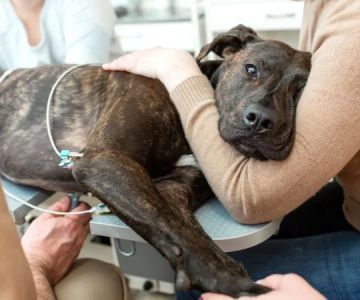
If you suspect that your pet may have kidney disease, it's important to take them to a veterinarian for a proper diagnosis. The vet will typically conduct the following tests to determine if kidney disease is present:
- Blood tests: Blood work, including a serum creatinine test and blood urea nitrogen (BUN), helps evaluate kidney function and detect any abnormalities.
- Urinalysis: A urine test can determine the concentration of urine, which is important for assessing kidney health. In pets with kidney disease, urine tends to be more diluted.
- Ultrasound or X-rays: These imaging tests may be used to visualize the kidneys and check for any structural abnormalities or signs of damage.
4- Effective Treatments for Kidney Disease in Pets
Once diagnosed, kidney disease in pets can be managed through a combination of treatment methods aimed at slowing down the progression of the disease and maintaining your pet’s comfort. Treatment options include:
- Fluids therapy: Hydration is crucial for pets with kidney disease. Subcutaneous fluids (fluids administered under the skin) may be recommended to help support kidney function and prevent dehydration.
- Medications: Certain medications may be prescribed to help manage symptoms and complications, such as controlling blood pressure, reducing protein in the urine, and supporting kidney function.
- Dietary changes: Special kidney diets formulated for pets with kidney disease are low in phosphorus and protein to reduce strain on the kidneys and improve overall health.
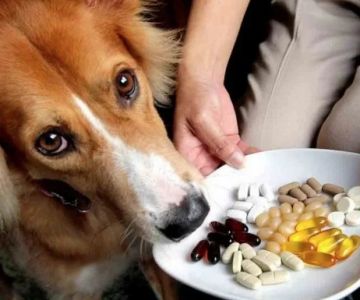
- Supplements: Omega-3 fatty acids, antioxidants, and certain vitamins may help support kidney function and reduce inflammation.
5- Diet and Lifestyle Management for Pets with Kidney Disease
Managing your pet’s diet and lifestyle is a critical part of treating kidney disease. Here are some guidelines for helping your pet live a better life despite the disease:
- Switch to renal-friendly food: Specialized kidney diets help manage kidney disease by reducing the waste the kidneys have to filter. These foods are rich in omega-3 fatty acids, antioxidants, and low in phosphorus.
- Control the amount of protein: Too much protein can overload the kidneys, so it's essential to provide an appropriate amount of protein based on your pet's needs.
- Ensure adequate hydration: Encourage your pet to drink plenty of water to help support kidney function. You may need to add water or broth to their food or offer water fountains to make drinking more appealing.
- Monitor their weight: Maintaining a healthy weight is crucial for overall health. Overweight pets may experience additional strain on their kidneys, so keeping their weight under control is essential.
6- Preventing Kidney Disease in Pets
While kidney disease is often linked to aging, there are steps you can take to reduce the risk and promote long-term kidney health for your pet:
- Regular check-ups: Annual vet visits are essential for catching kidney disease early, especially as your pet ages. Routine blood and urine tests can help detect kidney issues before they become severe.
- Proper hydration: Always ensure that your pet has access to fresh, clean water to promote kidney function and prevent dehydration.
- Healthy diet and weight management: Feeding your pet a well-balanced diet and maintaining a healthy weight can help reduce the strain on their kidneys.
7- Conclusion
Kidney disease in pets is a serious condition that requires early detection, careful management, and ongoing care. By recognizing the signs of kidney disease, seeking timely veterinary treatment, and making appropriate lifestyle adjustments, you can help your pet live a longer, healthier life. If you're looking for the best products and care for pets with kidney disease, be sure to check out Brothers Pets for expert recommendations and supplies that can support your pet's health.




 Brenford South Animal Clinic4.0 (304 reviews)
 Bare Bites0.0 (0 reviews)
 Vetco Vaccination Clinic1.0 (3 reviews)
 CityVet | Kingwood Veterinary Clinic & Urgent Care4.0 (202 reviews)
 Wempe Stacy DVM5.0 (7 reviews)
 Animal House Veterinary Services4.0 (125 reviews)
 How to Choose the Best Flea and Tick Prevention for Your Pet
 The Best Ways to Protect Your Pet from Fleas and Ticks
 What to Do If Your Pet Has a Cut or Wound: First Aid Tips
 Ways to Keep Your Dog Entertained When Home Alone
 How to Introduce a New Puppy or Kitten to Your Older Pet: Tips for a Smooth Transition
 How to Support a Dog Recovering from Surgery with Care and Comfort