

- Understanding Pet Wounds
- How to Identify Serious Wounds in Pets
- First Aid for Pet Wounds: Step-by-Step Guide
- When to See a Veterinarian
- Case Study: Treating a Dog’s Paw Injury
- Recommended Products from Brothers Pets
Understanding Pet Wounds
As pet owners, it’s essential to understand that cuts and wounds can happen at any time, whether your pet is playing outdoors, climbing on furniture, or even during a trip to the vet. Wounds in pets can range from minor scrapes to deeper injuries that require immediate care. The most common types of wounds include lacerations, abrasions, punctures, and bite wounds. It's important to assess the injury properly to decide the right course of action.
How to Identify Serious Wounds in Pets
Not all wounds are the same, and some can be more serious than others. It’s crucial to know the signs of a serious injury. Here are some indicators that a wound may require immediate veterinary attention:
- Heavy bleeding that doesn’t stop after applying pressure
- Deep or large puncture wounds
- Signs of infection, such as swelling, pus, or an unpleasant odor
- Loss of function, like limping or inability to move a part of the body
- Uncontrolled pain, excessive whining, or shaking
If you notice any of these signs, it’s crucial to seek professional veterinary care immediately to avoid further complications.
First Aid for Pet Wounds: Step-by-Step Guide
Administering first aid to your pet’s wound is essential in preventing infection and ensuring proper healing. Here’s a step-by-step guide on how to handle your pet’s cuts or wounds:
- Step 1: Remain Calm and Assess the Situation
Before taking any action, make sure both you and your pet are in a safe space. Stay calm and gently reassure your pet to avoid further stress or injury.
- Step 2: Clean the Wound
Use clean water to gently rinse away any dirt or debris from the wound. Avoid using harsh chemicals, as they can irritate the injury. If necessary, use a mild antiseptic to disinfect the area.
- Step 3: Control the Bleeding
If the wound is bleeding, apply gentle pressure with a clean cloth or gauze. Keep the pressure on the wound for several minutes until the bleeding stops.
- Step 4: Apply a Bandage or Dressing
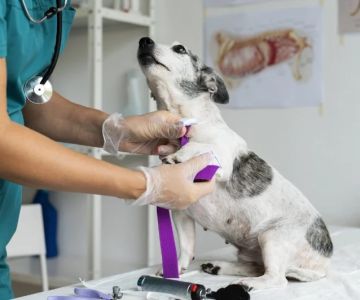
If the wound is large or deep, apply a sterile bandage or dressing to protect the injury from infection. Be sure not to wrap it too tightly to avoid restricting blood flow.
- Step 5: Monitor Your Pet
After bandaging the wound, monitor your pet for any signs of infection or discomfort. If the injury doesn’t improve in a few days or gets worse, consult your vet.
When to See a Veterinarian
While minor cuts and wounds can often be treated at home, it’s important to know when to seek professional help. If your pet's wound is serious, deep, or if it shows signs of infection, a veterinarian's intervention is necessary. Additionally, if your pet is in severe pain or unable to walk or move properly, immediate veterinary care is recommended. Always err on the side of caution when it comes to your pet’s health and well-being.
Case Study: Treating a Dog’s Paw Injury
Meet Max, a playful Labrador who injured his paw while running through a thorny bush. Max’s owner, Emily, quickly noticed that he was limping and found a small but deep cut on his paw. Emily followed the first aid steps, rinsing the wound, applying pressure to stop the bleeding, and bandaging it gently. She monitored Max for a few days, and the injury healed without complications. However, Emily made sure to check the wound daily and kept Max from excessive activity until he fully recovered. This quick response prevented infection and allowed Max to heal in a safe and timely manner.
Recommended Products from Brothers Pets
At Brothers Pets, we offer a wide range of products to help you take care of your pet’s wounds and injuries. Here are some products that can assist in wound care:
- Antiseptic Wound Spray: A gentle, non-toxic spray to disinfect your pet’s wounds without causing irritation.
- Pet Bandages: Available in various sizes, these bandages are designed for pets to provide comfort and protection to injured areas.
- Healing Ointments: Specially formulated ointments to promote faster healing and prevent infections.
- Pet First Aid Kits: Complete kits that include everything you need to handle minor injuries and provide first aid to your pet.




 Petco Vaccination Clinic4.0 (6 reviews)
 Companion Animal Hospital4.0 (274 reviews)
 Hope For Pets4.0 (9 reviews)
 AnimERge4.0 (602 reviews)
 Eastside Animal Hospital4.0 (98 reviews)
 The PARC4.0 (2099 reviews)
 How to Care for Pets with Chronic Health Conditions
 The Ultimate Guide to Veterinary Advice
 The Ultimate Guide to Safe Dog Toys for Chewers: Durable & Non-Toxic Options
 How to Improve Your Puppy & Kitten Care: Essential Tips for New Pet Owners
 How to Prepare Your Dog for a Vet Visit Stress-Free – Expert Tips
 How to Safely Clean Your Pet’s Toys and Accessories: Tips and Best Practices