
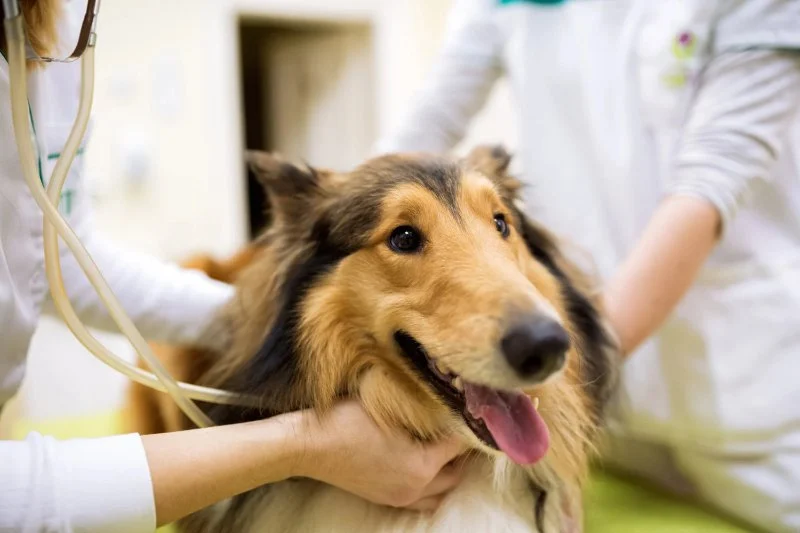
How to Prepare Your Dog for a Vet Visit Stress-Free
- 1. Start Preparing Your Dog Early
- 2. Make Vet Visits Part of Their Routine
- 3. Calming Techniques for Your Dog
- 4. Bring Familiar Comfort Items
- 5. Use Positive Reinforcement
- 6. Plan Your Trip to the Vet
1. Start Preparing Your Dog Early
Preparing your dog for a vet visit doesn’t have to be a stressful ordeal. The key is to start early. If you know that your dog gets anxious or nervous during vet visits, begin getting them comfortable with car rides and trips outside the house well in advance. Taking your dog on short, fun car rides or walks to places they enjoy can help reduce their overall anxiety when it’s time for a more serious visit to the vet.
By gradually introducing your dog to the sights, sounds, and experiences associated with a trip to the vet, you can help them feel more at ease during the visit.
2. Make Vet Visits Part of Their Routine
Incorporating regular vet visits into your dog’s routine can make these trips feel less unusual. Regular visits not only for check-ups but also for grooming or wellness exams will help your dog become more accustomed to being handled by veterinary staff. This also helps them associate the vet office with positive experiences instead of just moments of discomfort.
Another way to make the experience less stressful is to choose a vet you trust and who is gentle with your dog. Establishing a relationship with the vet will help your dog feel more comfortable over time, as they’ll begin to recognize friendly faces and voices.
3. Calming Techniques for Your Dog
If your dog is particularly anxious, there are several calming techniques you can try before heading to the vet. First, ensure your dog is well-exercised before the appointment. A long walk or a play session can help burn off excess energy and reduce anxiety.
Additionally, you can try natural calming aids such as pheromone sprays or calming collars. These products can help reduce stress by mimicking the calming signals that dogs naturally produce. Some dogs may benefit from calming music or a comforting presence in the waiting area. Speak with your vet about other options such as medication or anxiety wraps if your dog has extreme nervousness during visits.
4. Bring Familiar Comfort Items
When preparing your dog for a vet visit, bringing familiar comfort items can help them feel more secure in an unfamiliar environment. Items such as their favorite blanket, toy, or even a treat can provide reassurance during the visit. The scent of home or their favorite item can be very soothing and reduce anxiety.
If your dog tends to get nervous in the waiting room, ask the veterinary staff if it’s possible to wait in a quieter area until it’s your turn. Having a familiar item nearby can make your dog feel more at ease as they wait for their check-up or treatment.
5. Use Positive Reinforcement
Positive reinforcement is one of the most effective ways to help your dog stay calm during a vet visit. Rewarding your dog with treats and praise for calm behavior helps them associate the vet visit with positive experiences. This approach is especially helpful if your dog is apprehensive about specific parts of the visit, such as being placed on the exam table or having their temperature taken.
After the appointment, continue the reinforcement by taking your dog for a fun walk or giving them a special treat. This will help your dog remember the visit in a positive light and make future trips easier.
6. Plan Your Trip to the Vet
Finally, the key to a stress-free vet visit is proper planning. Try to schedule the appointment for a time of day when your dog is usually calm and relaxed. If your dog is sensitive to noise or large crowds, choose a less busy time to avoid long waits and stressful interactions with other animals.
Also, make sure you arrive a little early to the appointment. This will give your dog time to acclimate to the environment before the visit begins. Being rushed can cause added stress, so it’s better to plan ahead and allow your dog to adjust gradually to the new surroundings.




 Modern Animal4.0 (110 reviews)
 Brykerwood Veterinary Clinic4.0 (253 reviews)
 Woodbury Animal Hospital4.0 (180 reviews)
 Moon Veterinary Hospital4.0 (394 reviews)
 East Holmes Veterinary Clinic4.0 (37 reviews)
 Mike's Mobile Veterinary Service4.0 (164 reviews)
 How to Reduce Anxiety in Dogs During Car Rides | Proven Tips
 Best Practices for Crate Training Your Puppy
 How to Improve Your Pet’s Dental Health: Expert Tips and Daily Care
 How to Identify and Treat Allergic Dermatitis in Cats – Guide for Pet Owners
 The Ultimate Guide to Pet Training: Tips, Tools & Expert Advice
 How to Identify and Treat Flea Bites on Cats – Effective Care Tips