
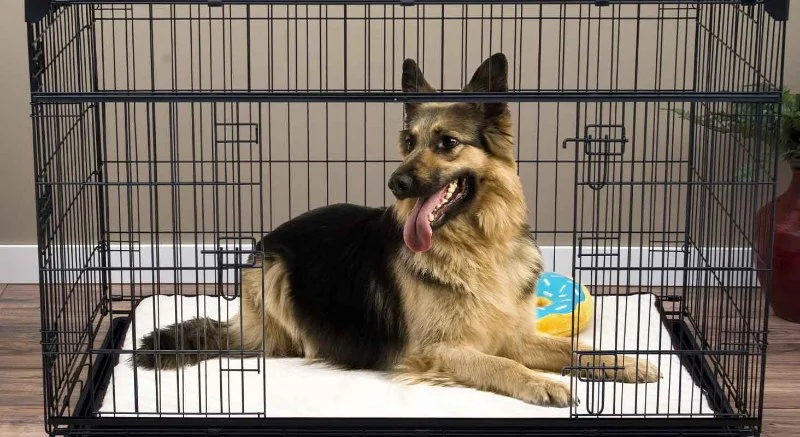
Best Practices for Crate Training Your Puppy
- Why Crate Training Is Important for Your Puppy
- Choosing the Right Crate for Your Puppy
- Step-by-Step Guide to Crate Training
- Troubleshooting Common Crate Training Issues
- How to Make Crate Training a Positive Experience
Why Crate Training Is Important for Your Puppy
Crate training is one of the best practices for introducing your puppy to a safe and comfortable space of their own. It mimics the denning instinct of dogs, offering them a private area that feels like their personal sanctuary. Proper crate training provides your puppy with a space where they can relax, sleep, and stay safe when you're not around. It also aids in housebreaking, preventing unwanted chewing or destruction when you're not home, and can help with traveling safety.
Choosing the Right Crate for Your Puppy
When it comes to crate training, choosing the right crate is crucial for your puppy's comfort and well-being. The crate should be large enough for your puppy to stand, turn around, and lie down comfortably, but not so large that they can use one corner as a bathroom. Look for crates made of sturdy materials like metal or plastic. Avoid wire crates with large openings, as puppies may get their paws or noses stuck. Plastic or fabric crates are often more secure and comfortable for puppies during the initial training phases.
Step-by-Step Guide to Crate Training
Here’s a simple process to follow for successful crate training:
- Start Slowly: Introduce your puppy to the crate in a calm, non-threatening manner. Place treats, toys, or their favorite blanket inside to entice them. Let your puppy explore the crate at their own pace.
- Gradual Crate Time: Begin by placing your puppy in the crate for short periods of time while you’re home, gradually increasing the duration. Avoid using the crate as punishment.
- Overnight Crate Training: Once your puppy is comfortable with shorter periods, you can start crate training overnight. Ensure that the crate is placed in a quiet area of your home, and avoid letting them out unless necessary.
- Consistency is Key: Consistency in crate training is essential. Keep a regular schedule for meals, bathroom breaks, and crate time to help your puppy adjust more easily.
Troubleshooting Common Crate Training Issues
It's common for puppies to experience some resistance when first introduced to the crate. If your puppy is whining or barking excessively, avoid letting them out immediately. This will only reinforce the behavior. Instead, wait for them to calm down before letting them out, as this will help them associate quiet behavior with being released. If your puppy seems overly anxious, consider using a calming blanket or crate cover to provide a sense of security.
How to Make Crate Training a Positive Experience
Positive reinforcement is crucial when crate training. Always reward your puppy with treats or praise when they enter the crate or remain calm inside it. This will create a positive association with the crate. It’s important to make the crate a place of comfort and not punishment. Never use the crate as a time-out space. Over time, your puppy will see the crate as a cozy retreat and not something to fear.
Remember that crate training requires patience. It’s important to understand your puppy’s behavior and progress at their own pace. If you’re looking for the right crate or accessories to make your puppy’s crate training experience even better, visit Brothers Pets for the best selection of pet products and training essentials.






 Jamestown Vet4.0 (8 reviews)
 Vetco Total Care Animal Hospital4.0 (304 reviews)
 The Cat Practice4.0 (170 reviews)
 Lancaster Veterinary Specialties4.0 (142 reviews)
 Buckeystown Veterinary Hospital4.0 (267 reviews)
 Griffin Animal Hospital4.0 (245 reviews)
 Raw Food Diets for Pets: Pros, Cons, and Veterinary Opinions
 Pet Travel: What Vets Want You to Know Before You Go
 How to Safely Transition Your Pet to a New Food Brand – Expert Tips
 Preparing Your Pet for a New Baby in the Home: A Complete Family Guide
 Top 9 Tips for Pet Training That Actually Work
 How to Help Pets Cope with Separation Anxiety: Tips and Solutions