
- Understanding Separation Anxiety in Pets
- Signs of Separation Anxiety in Pets
- Practical Ways to Help Your Pet Cope
- How Brothers Pets Can Support You and Your Pet
Understanding Separation Anxiety in Pets
Separation anxiety is a common issue among pets, particularly dogs, when they are left alone or separated from their owners. It can lead to distressing behaviors that can affect both the pet and the owner. This condition is often triggered when a pet experiences changes in their routine or environment, such as when their owner starts a new job or moves to a new home.
Pets are social animals, and they thrive on companionship and interaction with their owners. When that bond is broken, they can feel vulnerable and insecure. Understanding this emotional state is the first step toward helping your pet cope with separation anxiety. By recognizing the signs and employing effective strategies, you can help your pet feel more comfortable and secure during your absence.
Signs of Separation Anxiety in Pets
Pets with separation anxiety exhibit a range of symptoms that can vary in intensity. It's important to pay attention to these signs to properly address the issue. Some common signs include:
- Excessive Barking or Howling: This is one of the most noticeable signs of separation anxiety in dogs. They may bark or howl loudly when left alone, causing disruption in the household or even disturbing neighbors.
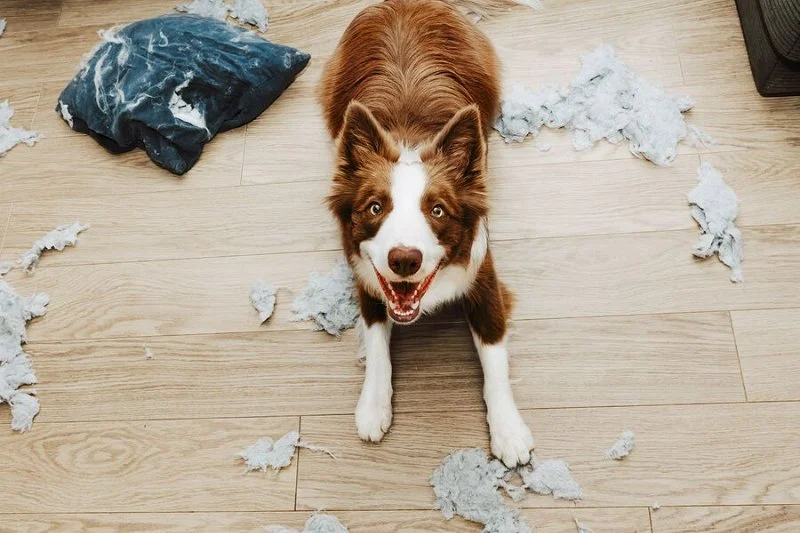
- Destructive Behavior: Pets may chew on furniture, shoes, or even walls, attempting to cope with their anxiety. This can lead to costly damage to your belongings and can be frustrating for owners.
- Accidents in the House: Pets that are usually well-trained may urinate or defecate inside the house when left alone, a sign that they are stressed or unable to hold it in due to anxiety.
- Pacing or Restlessness: Pets may walk in circles, pant excessively, or exhibit signs of restlessness when they sense their owner is about to leave.
- Excessive Licking or Drooling: Some pets may lick themselves excessively or drool when they are anxious, often as a coping mechanism.
Identifying these behaviors early can help you intervene before the anxiety worsens, and you can begin implementing strategies to manage the condition effectively.
Practical Ways to Help Your Pet Cope
Helping your pet manage separation anxiety requires patience, consistency, and a few key strategies that can provide comfort and reassurance during your absence. Here are some practical tips to consider:
- Gradual Desensitization: Gradual desensitization involves getting your pet used to being alone in small increments. Start by leaving your pet alone for short periods of time, and gradually increase the duration as they become more comfortable. This process helps your pet learn that you will always return, reducing their anxiety.
- Provide Comforting Items: Leaving behind familiar items, such as your clothing or your pet's favorite toy, can provide comfort while you are away. The scent of your presence can help ease your pet's anxiety and make them feel more secure.
- Exercise and Mental Stimulation: A tired pet is less likely to experience anxiety. Ensure your pet gets plenty of physical exercise and mental stimulation before you leave. This can include a long walk, playtime, or puzzle toys that challenge your pet's brain and keep them occupied.
- Positive Reinforcement: Rewarding your pet for calm behavior during your departure and return is a great way to reinforce positive associations with being alone. Over time, your pet will begin to feel more confident and relaxed during these moments.
- Consult a Veterinarian: In some cases, pets may require medication to help manage their anxiety. If your pet's symptoms are severe, consult with a veterinarian to explore potential treatments, including anti-anxiety medications or pheromone therapy.
By implementing these strategies, you can significantly reduce your pet’s anxiety and help them cope with being alone. Patience and consistency are key to creating a calm, safe environment for your pet.
How Brothers Pets Can Support You and Your Pet
If you're looking for products or services to help your pet cope with separation anxiety, Brothers Pets offers a range of resources to support you. From calming pet products such as anxiety wraps and pheromone diffusers to interactive toys and training tools, we provide everything you need to create a comfortable environment for your pet while you're away.
Additionally, Brothers Pets provides expert advice and tips on pet behavior and anxiety management. Our team of professionals is dedicated to helping pet owners find the best solutions to improve their pets' well-being.
Visit us today to explore our range of products designed to reduce stress and promote relaxation for your furry friend.





 Petco4.0 (1159 reviews)
 Gregory Vet Clinic4.0 (381 reviews)
 VCA Crocker Animal Hospital4.0 (210 reviews)
 Pet's Best Friend Veterinary Hospital4.0 (527 reviews)
 Butler Veterinary Services, PLLC4.0 (409 reviews)
 De-Qi Holistics4.0 (3 reviews)
 Travel Tips for Pets: Keeping Dogs and Cats Comfortable
 The Dos and Don'ts of Pet Behavior: Expert Tips for Training and Bonding
 Expert Advice on Pet Fitness for American Families
 How to Prevent and Treat Fungal Infections in Pets
 The Importance of Regular Parasite Prevention for Your Pets
 How to Improve Your Pet’s Nutrition with Expert Tips