

How to Prevent and Treat Fungal Infections in Pets
- 1- Understanding Fungal Infections in Pets
- 2- Common Types of Fungal Infections in Pets
- 3- Preventing Fungal Infections in Pets
- 4- Treating Fungal Infections in Pets
- 5- When to See a Veterinarian
1. Understanding Fungal Infections in Pets
Fungal infections are a common health concern for pets, affecting their skin, ears, and respiratory system. These infections are typically caused by fungi that thrive in warm, moist environments. Pets that are frequently exposed to damp conditions, or that have compromised immune systems, are more prone to fungal infections.
Fungal infections in pets can be itchy, uncomfortable, and potentially lead to more severe health problems if left untreated. In this article, we'll explore how to prevent and treat these infections, ensuring your pet stays healthy and happy. Understanding the symptoms and causes of fungal infections is the first step in safeguarding your pet's well-being.
2. Common Types of Fungal Infections in Pets
Fungal infections can manifest in various ways depending on the type of fungus involved. Here are some of the most common types of fungal infections in pets:
1. Ringworm
Ringworm is a highly contagious fungal infection that affects the skin, fur, and nails. It causes circular patches of hair loss and red, inflamed skin. Despite its name, ringworm is not a worm but a fungus that can easily spread between pets and humans.
2. Yeast Infections
Yeast infections, particularly in the ears, are a common issue in pets. These infections often cause itching, redness, and a strong odor. Yeast overgrowth can occur due to factors like moisture, allergies, or a weakened immune system.
3. Aspergillosis
Aspergillosis is a fungal infection that affects the respiratory system. It is more common in dogs, especially those with compromised immune systems. The symptoms include nasal discharge, coughing, and difficulty breathing. Treatment often requires antifungal medications and supportive care.
3. Preventing Fungal Infections in Pets
Prevention is key to avoiding fungal infections in pets. By taking proactive steps, you can reduce the risk of your pet developing a fungal infection. Here are some important prevention tips:
1. Keep Your Pet Dry and Clean
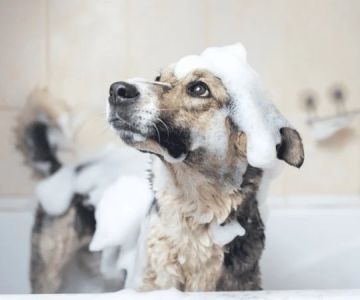
Moisture is a breeding ground for fungi, so it's crucial to keep your pet's coat and skin dry. After bathing your pet or after they've been outside in the rain, make sure to dry them thoroughly, especially in areas where moisture tends to accumulate, like the paws and ears.
2. Maintain Good Hygiene
Regular grooming is essential to prevent fungal infections. Brush your pet’s fur to remove dirt, debris, and loose hair. This helps prevent fungi from growing in areas where the fur is matted. Cleaning your pet's bedding and living areas frequently will also minimize fungal spores in the environment.
3. Limit Exposure to High-Risk Environments
Pets that are frequently in damp environments, such as kennels or areas with standing water, are at a higher risk of fungal infections. If possible, limit your pet’s exposure to these areas or ensure that the environment is well-ventilated and dry.
4. Treating Fungal Infections in Pets
If your pet develops a fungal infection, prompt treatment is essential to prevent the condition from worsening. Here are common treatment options for fungal infections in pets:
1. Antifungal Medications
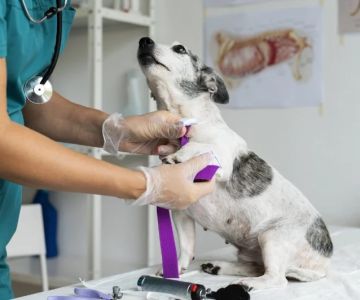
Your veterinarian may prescribe antifungal medications to treat fungal infections. These can be topical treatments (creams, shampoos) for localized infections, or oral medications for more widespread infections like ringworm or yeast infections.
2. Special Shampoos
Special antifungal shampoos can be used to treat skin infections such as ringworm. These shampoos typically need to be applied multiple times to ensure that the infection is fully cleared. Follow the veterinarian’s instructions for the best results.
3. Environmental Cleanliness
In addition to treating your pet, it's important to clean the environment where they live to avoid reinfection. Wash bedding, toys, and other items your pet frequently uses with hot water and antifungal cleaners. If your pet has a yeast infection, disinfecting their food and water bowls regularly is essential.
5. When to See a Veterinarian
If you notice any signs of a fungal infection, such as itching, redness, hair loss, or an unusual odor, it’s important to consult a veterinarian. Early diagnosis and treatment can prevent the infection from spreading and help your pet recover more quickly.
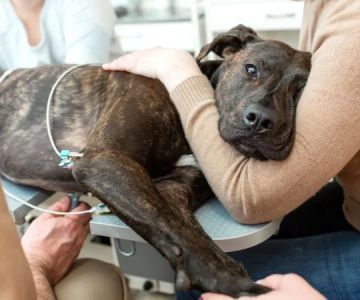
While some minor fungal infections can be managed at home, severe or persistent infections require professional care. Your veterinarian can provide a tailored treatment plan that may include prescription medications, special diets, and advice on maintaining a healthy environment for your pet.
Don't hesitate to reach out to your veterinarian if you're unsure whether your pet's symptoms indicate a fungal infection. Prompt treatment can help your pet feel better and prevent further complications.



 Southside Veterinary Clinic4.0 (298 reviews)
 Hamilton Crossing Animal Hospital4.0 (337 reviews)
 Abbey Animal Hospital4.0 (316 reviews)
 Moonlit Marsupials0.0 (0 reviews)
 VIP Petcare Vaccination Clinic0.0 (0 reviews)
 Hall, Katrina DVM5.0 (2 reviews)
 Understanding Pet Arthritis: Symptoms and Management
 Parasite Prevention: What Vets Want You to Know - Expert Tips for Pet Care
 htmlCopy codeHow to Keep Your Pet Safe from Household Poisons
 Maintaining Healthy Weight for Indoor Cats: Essential Tips
 Tips for Maintaining Proper Hydration in Dogs: Essential Care for Your Pet
 The Dos and Don'ts of Veterinary Advice: Protecting Your Pet with Confidence