
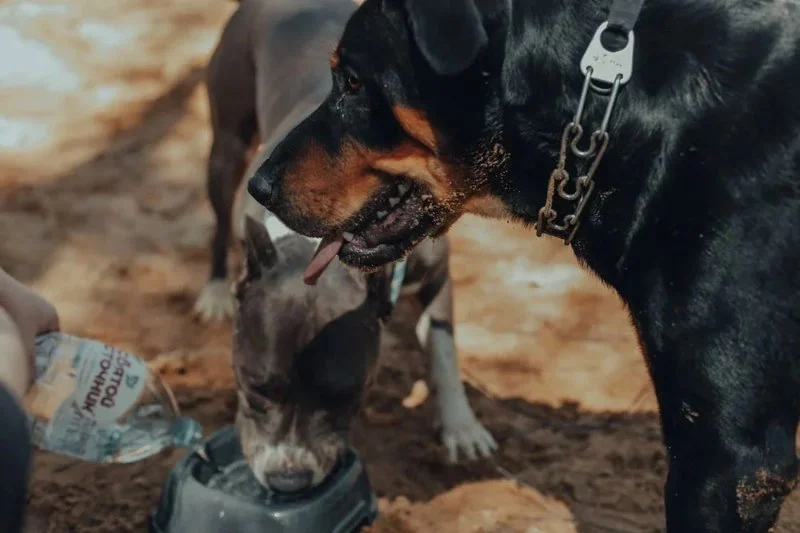
Tips for Maintaining Proper Hydration in Dogs: Essential Care for Your Pet
- 1. Why Hydration is Important for Dogs
- 2. Signs of Dehydration in Dogs
- 3. How Much Water Does a Dog Need?
- 4. Tips for Encouraging Your Dog to Drink More Water
- 5. Best Products to Help Maintain Hydration
- 6. When to Seek Veterinary Help
Proper hydration is crucial to your dog’s health and well-being. Water supports essential bodily functions, helps regulate body temperature, and aids digestion. Just like humans, dogs can suffer from dehydration, which can lead to serious health issues. Understanding how to maintain hydration in dogs is key to keeping your furry friend happy and healthy.
2. Signs of Dehydration in Dogs
Recognizing dehydration early is essential. Dehydration in dogs can cause symptoms that vary from mild to severe. Some common signs include:
- Dry Gums: If your dog's gums feel dry or sticky, it’s a sign they may not be getting enough water.
- Reduced Energy: A dehydrated dog may become lethargic or unwilling to play or walk.
- Loss of Appetite: Dogs who are dehydrated may lose interest in food.
- Excessive Panting: While panting is normal for dogs, excessive panting can indicate dehydration.
- Sunken Eyes: When a dog is severely dehydrated, their eyes may appear sunken or dull.
3. How Much Water Does a Dog Need?
The amount of water a dog needs varies depending on factors such as size, age, activity level, and climate. As a general rule, dogs need about one ounce of water per pound of body weight per day. For example, a 20-pound dog would need approximately 20 ounces of water daily. However, active dogs or those in hot climates may require more water to stay hydrated.
Additionally, puppies, pregnant dogs, and older dogs may have different hydration needs. It's essential to monitor your dog’s water intake and adjust based on their activity and environmental conditions.
4. Tips for Encouraging Your Dog to Drink More Water
Getting your dog to drink more water can sometimes be challenging, especially if they are picky or anxious. Here are some helpful tips:
- Fresh Water: Change your dog's water regularly to ensure it’s fresh and appealing. Some dogs are more likely to drink if the water is clean.
- Multiple Water Bowls: Place water bowls in different areas of your home and garden so your dog can easily access water wherever they are.
- Flavored Water: Some dogs enjoy flavored water. You can try adding low-sodium chicken broth or beef broth to their water to encourage drinking.
- Water Fountains: Many dogs prefer drinking from a flowing water source. Invest in a dog water fountain to keep the water moving and fresh.
- Wet Food: If your dog is reluctant to drink water, consider adding wet food to their diet. This can provide additional hydration and may help if they’re not drinking enough on their own.
5. Best Products to Help Maintain Hydration
Several products are designed to help ensure your dog stays hydrated:
- Dog Water Bottles: These portable water bottles are perfect for keeping your dog hydrated on walks or during outdoor activities.
- Hydration Tablets: Special hydration tablets can be added to your dog's water to enhance electrolyte balance, especially after exercise.
- Dog Water Bowls: Consider purchasing non-slip, easy-to-clean bowls made of materials that don’t retain bacteria, ensuring your dog always has clean water.
6. When to Seek Veterinary Help
If you notice any signs of dehydration in your dog, it’s essential to act quickly. In cases of severe dehydration, or if your dog is refusing to drink water for more than 24 hours, seek veterinary attention immediately. Dehydration can cause kidney damage, heatstroke, and other life-threatening conditions if not addressed promptly.
Consult your vet if you are unsure about your dog’s hydration needs or if you notice any other symptoms, such as vomiting or diarrhea, which can exacerbate dehydration.
At Brothers Pets, we offer a variety of products to help keep your dog hydrated and healthy. From water bowls to hydration solutions, we have everything you need to ensure your dog stays happy and hydrated. Visit us today for the best in pet care.


 VIP Petcare3.0 (9 reviews)
 All Pets Mobile Clinic4.0 (183 reviews)
 VCA Deer Creek Animal Hospital4.0 (246 reviews)
 Mckinney Animal Hospital4.0 (749 reviews)
 Oceanside Animal Clinic3.0 (361 reviews)
 Southern Crescent Equine Services4.0 (85 reviews)
 Expert Advice on Pet Vaccination Every Owner Should Know
 Why Regular Vet Visits Are Crucial Even for Healthy Pets
 How to Choose the Best Pet Groomer for Your Pet’s Needs
 Understanding Pet Behavior: Training Tips and Techniques for a Happier Pet
 The Ultimate Guide to Parasite Prevention for Pets
 Dog Grooming Tips for Maintaining a Healthy Coat | Brothers Pets