
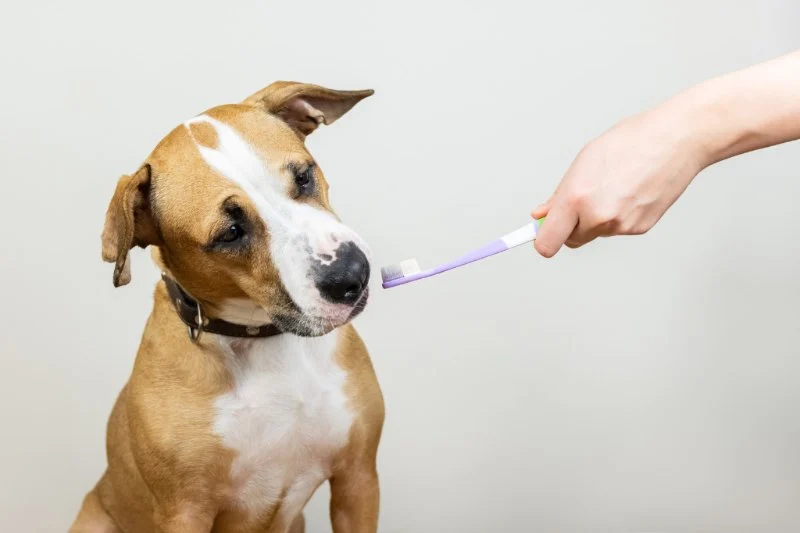
1. Why Pet Dental Care Is More Important Than You Think
When people think about their pet’s health, they often focus on diet, exercise, and vaccinations. But what many pet owners overlook is oral hygiene. Dental care for pets is not just about fresh breath—it’s directly connected to their overall health. Plaque buildup can lead to gum disease, which has been linked to heart, kidney, and liver problems. Left untreated, dental issues can cause severe pain and even impact your pet's lifespan.
2. The Dos of Dental Care for Pets
Brush Their Teeth Regularly
Yes, dogs and cats need their teeth brushed too! Using pet-safe toothpaste, aim to brush their teeth 2–3 times a week. If your pet resists, introduce it slowly—start with just touching their mouth, then gradually move to brushing short sections at a time.
Offer Dental Chews and Toys
There are many dental chews designed specifically to reduce tartar buildup while satisfying your pet's chewing instinct. Choose products that are vet-approved and sized appropriately for your animal.
Schedule Annual Dental Checkups
Regular vet visits should include an oral exam. Some pets, especially older ones, may need professional cleanings under anesthesia. While it may sound extreme, these cleanings are the only way to address plaque below the gum line effectively.
3. The Don’ts That Could Harm Your Pet’s Oral Health
Don’t Use Human Toothpaste
This is a common mistake. Human toothpaste contains fluoride and xylitol, both of which can be toxic to pets. Always use products formulated for animals.
Don’t Ignore Bad Breath
While many think “doggy breath” is normal, foul odor can be a sign of gum disease, infection, or even oral tumors. If your pet’s breath smells particularly strong or unusual, it’s time to consult a vet.
Don’t Assume Dry Food Prevents Dental Issues
There's a myth that kibble cleans teeth better than wet food. In reality, only certain dental diets have proven effectiveness. Regular brushing and chew toys are more reliable ways to promote oral health.
4. Real Stories That Highlight Common Mistakes
Mark from Dallas once shared how his Labrador stopped eating and lost weight. After vet evaluation, they found a painful abscess caused by a cracked tooth. “We had no idea his dental problems were that serious,” he admitted.
Meanwhile, Jessica from Oregon tried brushing her cat’s teeth with minty human toothpaste. “She started foaming at the mouth, and I panicked.” Her vet explained how toxic xylitol could be to cats. “Now I triple-check every label,” she added.
5. Long-Term Benefits of Good Dental Habits
Happier, Healthier Pets
Pets with clean mouths eat better, play more, and show fewer behavioral issues linked to pain. They also avoid complications that can affect other organs over time.
Fewer Vet Bills
Preventive care like brushing and dental treats is far more affordable than treating infections or extracting rotten teeth. Proactive care saves both money and stress in the long run.
6. Find the Right Products and Advice on Brothers Pets
Every pet’s dental needs are a bit different, but one thing remains true—early action makes a big difference. Whether you're shopping for the safest dental chews or want guidance on tooth brushing techniques, Brothers Pets is your trusted partner. We provide access to pet-approved dental tools, expert-backed information, and community stories to help you keep your furry friends smiling bright.





 Indian Lake Animal Clinic4.0 (155 reviews)
 Animal Hospital of Stuarts Draft4.0 (113 reviews)
 Teacup Puppy Store in New York3.0 (52 reviews)
 Lake Travis Animal Hospital4.0 (194 reviews)
 Tompkins Veterinary Services5.0 (16 reviews)
 Western Animal Hospital3.0 (513 reviews)
 Preparing Your Pet for a New Baby in the Home: Tips for a Smooth Transition
 Expert Advice on Seasonal Pet Care: Keep Your Pet Healthy Year-Round
 How to Recognize and Treat Common Pet Diseases – Expert Tips
 The Dos and Don'ts of Pet Fitness Every Owner Should Know
 How to Manage Pet Stress: Tips for a Calmer Pet
 Understanding Pet Grooming: Tips for Maintaining Your Pet's Coat and Skin