
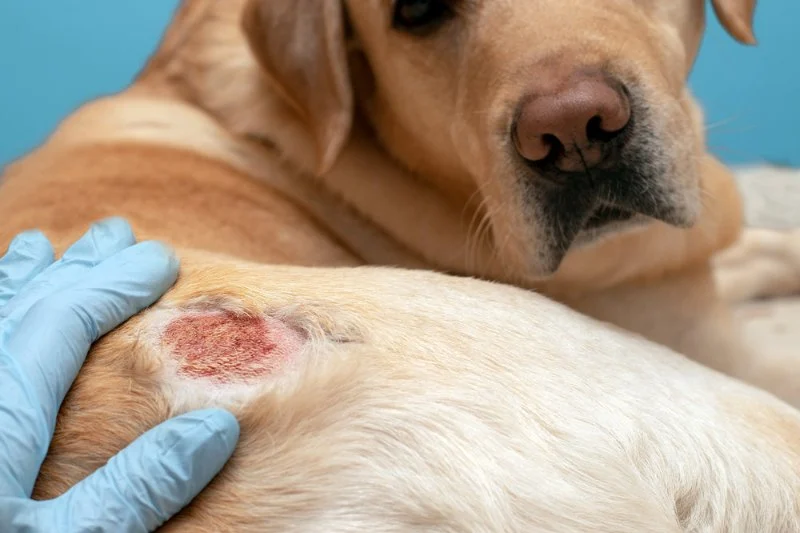
How to Recognize and Treat Common Pet Diseases
As pet owners, we always want our furry friends to be healthy and happy. However, just like humans, pets can develop health issues that require attention. Understanding how to recognize the symptoms of common pet diseases and knowing how to treat them can ensure your pet gets the care they need as soon as possible. This guide will cover some common pet diseases, how to spot them, and the appropriate treatment methods.
- 1. Recognizing Common Pet Diseases
- 2. Symptoms of Common Pet Diseases
- 3. Treatment Options for Pets
- 4. When to See a Vet
- 5. Prevention Tips for Pet Health
1. Recognizing Common Pet Diseases
Many pet diseases are preventable or manageable if caught early. The most common types of diseases affecting pets include:
- Respiratory Infections: Dogs and cats are prone to respiratory infections such as kennel cough, which causes coughing, nasal discharge, and lethargy.
- Skin Conditions: Fleas, ticks, and fungal infections can lead to itching, hair loss, and redness of the skin.
- Parasites: Internal parasites like worms and external parasites like ticks can cause a range of issues from vomiting to weight loss.
- Dental Disease: Gum disease, tartar buildup, and tooth infections are common in pets and can lead to more severe health problems if not addressed.
By staying alert to these common diseases, you can catch potential health issues early, reducing the risk of severe complications.
2. Symptoms of Common Pet Diseases
Recognizing the symptoms of illness in your pet is crucial. Here are some signs that might indicate a health issue:
- Changes in Appetite: A sudden loss of appetite or an increase in thirst can be a sign of illness, especially kidney disease or diabetes.
- Behavioral Changes: If your pet becomes more lethargic, hides away, or shows signs of aggression, it may indicate pain or discomfort.
- Vomiting or Diarrhea: Occasional vomiting is normal, but frequent or prolonged episodes could signal an infection, toxins, or gastrointestinal issues.
- Coughing or Sneezing: Respiratory infections may cause coughing, sneezing, and nasal discharge, often associated with kennel cough or other respiratory diseases.
Being vigilant for these symptoms allows you to identify health problems early, leading to more effective treatments.
3. Treatment Options for Pets
The treatment for your pet will depend on the specific disease and its severity. Some common treatment methods include:
- Medications: Many pet diseases are treated with prescribed medications, such as antibiotics for infections or anti-parasitic drugs for worms and ticks.
- Dietary Changes: In cases of digestive issues or kidney problems, a veterinarian may recommend a special diet to help manage the disease.
- Topical Treatments: For skin conditions, creams, ointments, or medicated shampoos can help alleviate itching and inflammation.
- Surgery: In more severe cases, such as dental disease or tumors, surgery may be required to treat or remove the affected area.
Your vet will recommend the best treatment for your pet based on their diagnosis, and it's important to follow their advice carefully.
4. When to See a Vet
While some mild symptoms can be treated at home, there are times when it's essential to see a vet. Seek professional help if:
- Symptoms worsen: If your pet's condition doesn't improve or worsens over time, it may be time to consult a vet.
- Persistent vomiting or diarrhea: Continuous vomiting or diarrhea can lead to dehydration and requires prompt medical attention.
- Severe pain or distress: If your pet seems to be in severe pain, crying out, or having difficulty moving, it's crucial to get them checked by a professional.
- Behavioral changes: Significant behavioral shifts, such as aggression or hiding, often signal serious health problems.
Seeing a vet when necessary ensures that your pet receives the best care and increases the chances of a full recovery.
5. Prevention Tips for Pet Health
Preventing pet diseases is always better than treating them. Here are some essential prevention tips:
- Regular Vet Checkups: Regular visits to the vet for checkups and vaccinations help catch diseases early and prevent many health issues.
- Proper Hygiene: Keep your pet clean, including regular grooming, flea and tick treatments, and dental care to avoid common diseases.
- Healthy Diet: Feed your pet a balanced diet suited to their age, breed, and health conditions to keep them in peak health.
- Exercise: Regular physical activity helps maintain your pet’s weight and overall health, preventing obesity and related diseases.
By following these simple steps, you can ensure your pet remains healthy and happy for years to come.
For more tips and to find high-quality pet products, visit Brothers Pets!




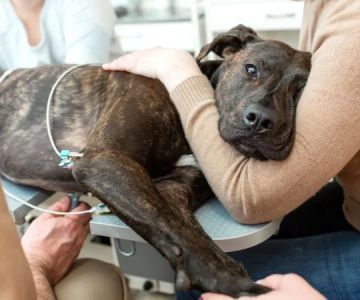

 Petco Vaccination Clinic4.0 (6 reviews)
 Companion Animal Hospital4.0 (274 reviews)
 Hope For Pets4.0 (9 reviews)
 AnimERge4.0 (602 reviews)
 Eastside Animal Hospital4.0 (98 reviews)
 The PARC4.0 (2099 reviews)
 How to Care for Pets with Chronic Health Conditions
 The Ultimate Guide to Veterinary Advice
 The Ultimate Guide to Safe Dog Toys for Chewers: Durable & Non-Toxic Options
 How to Improve Your Puppy & Kitten Care: Essential Tips for New Pet Owners
 How to Prepare Your Dog for a Vet Visit Stress-Free – Expert Tips
 How to Safely Clean Your Pet’s Toys and Accessories: Tips and Best Practices