
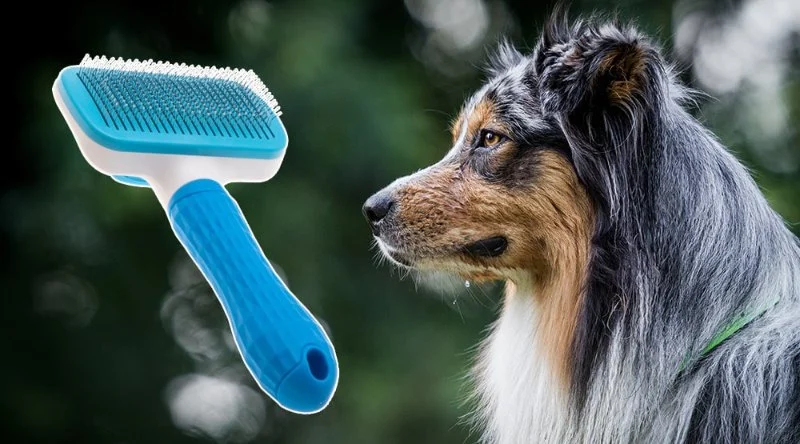
Dog Grooming Tips for Maintaining a Healthy Coat
- 1 - Why Dog Grooming is Important for a Healthy Coat
- 2 - Choosing the Right Grooming Tools
- 3 - Step-by-Step Guide to Grooming Your Dog
- 4 - Tips for Different Coat Types
- 5 - Common Grooming Mistakes to Avoid
Regular grooming plays a crucial role in maintaining your dog’s health, especially when it comes to their coat. Not only does grooming ensure your dog looks great, but it also promotes overall well-being. A well-groomed dog has fewer chances of developing skin infections, matting, or parasites. When you groom your dog regularly, you're also checking for any health issues, such as lumps, cuts, or skin irritation. This allows you to catch potential health problems early. Moreover, grooming helps improve blood circulation and can contribute to a shinier, healthier coat, making it an essential part of your dog’s routine care. The right grooming tools can make a world of difference when it comes to maintaining a healthy coat for your dog. Here’s a breakdown of essential grooming tools and how to use them effectively: For most dogs, a good-quality brush or comb is essential for removing tangles and loose fur. If your dog has a long coat, you’ll need a slicker brush to detangle the hair. For shorter-haired dogs, a bristle brush works great for removing loose fur and stimulating the skin. Clippers are essential for trimming nails and sometimes the coat itself, especially for breeds that require regular haircuts. Ensure you use the right clippers for your dog’s coat type to avoid injury or discomfort. Scissors can be used for fine trimming, particularly around the ears or paws. Proper nail care is just as important as grooming the coat. Overgrown nails can cause discomfort and even lead to joint issues. A good set of nail clippers designed for dogs can make nail trimming easier and safer. Grooming your dog doesn’t have to be a stressful experience for either of you. Follow this simple, step-by-step guide for a more enjoyable grooming session: Before starting, make sure your dog is calm and comfortable. You can use treats or a favorite toy to help them relax. If your dog is new to grooming, take it slow and keep the sessions short to avoid overwhelming them. Start by brushing through your dog’s coat to remove tangles and mats. Use gentle strokes to avoid pulling on the hair. Make sure to brush in the direction of the fur growth, paying extra attention to areas that mat easily, like behind the ears or under the legs. If your dog needs a bath, make sure to use a dog-specific shampoo that’s gentle on their skin. Avoid human shampoos, as they can cause dryness or irritation. Make sure to rinse thoroughly to remove all soap residue. After the bath, towel-dry your dog to remove excess water. You can also use a blow dryer on the lowest heat setting, but be cautious not to burn their skin. Drying is essential to prevent any skin irritation caused by dampness. Use a set of dog-specific nail clippers to carefully trim your dog’s nails. Be cautious of the “quick,” which is the pink area inside the nail that contains blood vessels. Only trim the tip of the nail to avoid cutting into this area. Each dog’s coat type requires different grooming techniques. Here’s how to care for common coat types: Dogs with short coats, like Beagles or Bulldogs, require less grooming, but still benefit from regular brushing. Use a bristle brush or grooming mitt to remove loose hairs and help with skin health. Long-coated breeds, such as Golden Retrievers and Collies, require more attention. Regular brushing is essential to avoid tangles and mats. You may also need to trim their coat every few months to keep it manageable. Breeds like Poodles and Portuguese Water Dogs have curly or wavy coats that require consistent care to avoid matting. You may need to bathe them more often and trim their hair regularly to keep it in shape. While grooming is important, there are a few common mistakes that many pet owners make. Here’s what to avoid to ensure your dog’s grooming experience is as stress-free as possible: Bathing your dog too often can strip their coat of natural oils, leading to dry, irritated skin. Aim to bathe your dog only when necessary, typically every 4-6 weeks, depending on their activity level and coat type. Using human brushes or clippers can lead to discomfort or injury. Always use grooming tools specifically designed for dogs to ensure comfort and safety. Grooming should be a calm and enjoyable experience for both you and your dog. Take your time and be patient, especially if your dog is not used to grooming sessions. Regular grooming, done gently, will help them become more accustomed to the process. If you’re looking for high-quality grooming tools and pet care products, visit Brothers Pets for a wide range of options that will help you maintain your dog’s coat health and overall well-being.1 - Why Dog Grooming is Important for a Healthy Coat
2 - Choosing the Right Grooming Tools
2.1 - Brushes and Combs
2.2 - Clippers and Scissors
2.3 - Nail Clippers
3 - Step-by-Step Guide to Grooming Your Dog
3.1 - Prepare Your Dog
3.2 - Brush the Coat
3.3 - Bathe Your Dog (Optional)
3.4 - Dry the Coat
3.5 - Trim the Nails
4 - Tips for Different Coat Types
4.1 - Short Coats
4.2 - Long Coats
4.3 - Curly and Wavy Coats
5 - Common Grooming Mistakes to Avoid
5.1 - Over-Bathing
5.2 - Not Using the Right Tools
5.3 - Rushing the Process



 New Ross Veterinary Services4.0 (176 reviews)
 Lincolnwood Animal Hospital4.0 (18 reviews)
 Pacific City Veterinary Care4.0 (88 reviews)
 Kirkwood Veterinary Hospital4.0 (394 reviews)
 Day Road Animal Hospital4.0 (70 reviews)
 Healing Paws Veterinary Center5.0 (54 reviews)
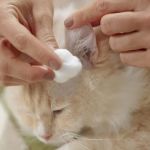 How to Clean Your Cat’s Ears Safely at Home | Simple Tips and Advice
 How to Spot Early Signs of Cancer in Pets and What to Do Next
 How to Spot and Treat Stress-Related Symptoms in Pets
 Dog Grooming Tips for Maintaining a Healthy Coat | Brothers Pets
 Tips for Reducing Shedding in Long-Haired Dogs | Grooming Advice
 Best Methods for Crate Training a Puppy Successfully: Tips and Techniques