
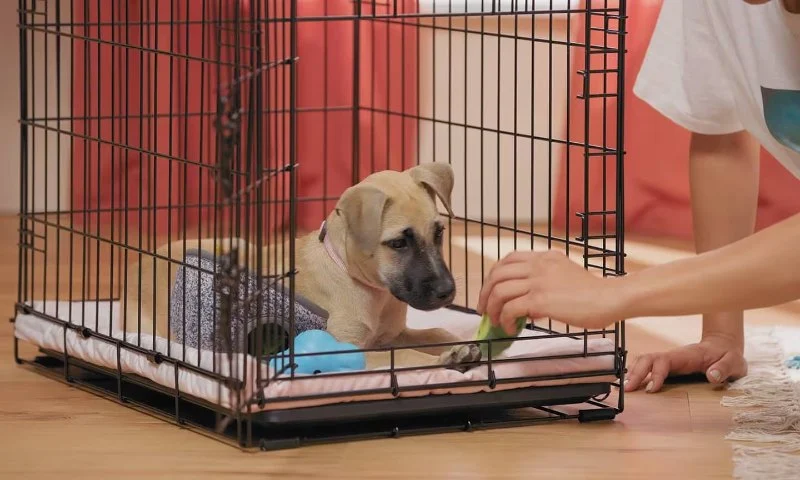
- 1. Understanding Crate Training
- 2. The Benefits of Crate Training a Puppy
- 3. Preparing Your Puppy for Crate Training
- 4. Steps for Successful Crate Training
- 5. Common Crate Training Mistakes to Avoid
- 6. When to Seek Professional Help for Crate Training
1. Understanding Crate Training
Crate training is a valuable method for teaching your puppy how to be well-behaved and comfortable in their crate. It’s a technique that helps your puppy view their crate as a safe and cozy space, not a place of punishment. When done correctly, crate training can benefit both you and your puppy by creating a structured and secure environment where they can relax and rest.
The concept of crate training involves getting your puppy accustomed to spending time in a crate or kennel. This training provides a positive, controlled space where your puppy can feel safe, especially when you’re not home or during sleep times. Over time, crate training also aids in housebreaking, reducing destructive behavior, and minimizing anxiety when left alone.
2. The Benefits of Crate Training a Puppy
Crate training offers several important benefits for both puppies and owners. Here are some key advantages:
- Housebreaking: Crate training is a natural way to help your puppy learn to control their bladder. Dogs instinctively avoid soiling their sleeping area, making crates an effective tool for housebreaking.
- Safety and Security: When left unsupervised, puppies can get into dangerous situations or destroy household items. A crate keeps your puppy safe while preventing unwanted behaviors like chewing or digging.
- Travel Safety: Crates are an essential part of safe travel. They provide a secure and comfortable space for your puppy in cars, ensuring they remain safe and calm during trips.
- Independence: Puppies learn to enjoy their own space through crate training, promoting independence and reducing separation anxiety.
3. Preparing Your Puppy for Crate Training
Before starting crate training, it’s important to prepare both you and your puppy for the process. Here are some tips to ensure a smooth transition:
- Choose the Right Crate: Make sure the crate is appropriately sized for your puppy. They should be able to stand up, turn around, and lie down comfortably. Avoid choosing a crate that’s too large, as it can give your puppy space to eliminate in one corner and sleep in another.
- Make the Crate Comfortable: Place soft bedding, toys, and treats inside the crate to create a comfortable and inviting environment for your puppy.
- Start Slowly: Introduce your puppy to the crate gradually. Don’t force them inside. Instead, encourage them with treats and praise, allowing them to explore the crate at their own pace.
4. Steps for Successful Crate Training
Crate training requires patience and consistency. Follow these steps for the best results:
- Step 1 - Positive Associations: Begin by associating the crate with positive experiences. Use treats, toys, and praise to encourage your puppy to enter the crate on their own.
- Step 2 - Short Crate Sessions: Start with short periods of time in the crate, gradually increasing the duration. Begin with a few minutes and work up to longer periods as your puppy becomes more comfortable.
- Step 3 - Avoid Using the Crate as Punishment: Never use the crate as a form of punishment, as this will create negative associations with the space. Always make it a positive, safe retreat for your puppy.
- Step 4 - Consistency: Be consistent with your training. Place your puppy in the crate at regular intervals and establish a routine for when they are crated, such as during meals or when you leave the house.
- Step 5 - Gradual Crate Time Increases: As your puppy gets used to the crate, gradually increase the length of time they spend inside, ensuring they feel comfortable and secure.
5. Common Crate Training Mistakes to Avoid
Crate training can be an incredibly effective tool when done correctly, but there are common mistakes that can hinder the process:
- Forcing Your Puppy into the Crate: Forcing your puppy into the crate can create fear and anxiety. Always encourage them to go inside on their own.
- Leaving Your Puppy in the Crate for Too Long: Puppies should not be left in the crate for extended periods. The crate should be a safe and comfortable place, not a prison. Gradually increase their crate time to avoid overstressing them.
- Using the Crate as Punishment: Using the crate as punishment will create negative associations. Make sure the crate remains a place of safety and comfort for your puppy.
6. When to Seek Professional Help for Crate Training
Crate training can sometimes present challenges, especially if your puppy experiences severe anxiety or resistance. If your puppy shows signs of extreme distress, such as excessive barking, whining, or trying to escape the crate, it might be time to seek professional help.
A professional dog trainer or behaviorist can help address specific issues, provide guidance, and offer customized training plans to ensure your puppy’s success. At Brothers Pets, we recommend consulting with an expert if you’re facing persistent issues with crate training.
With patience, consistency, and the right techniques, crate training can help create a positive environment for your puppy, benefiting both their behavior and your household. For more products, advice, and tips on raising a happy and well-behaved puppy, visit Brothers Pets!






 Southside Veterinary Clinic4.0 (298 reviews)
 Hamilton Crossing Animal Hospital4.0 (337 reviews)
 Abbey Animal Hospital4.0 (316 reviews)
 Moonlit Marsupials0.0 (0 reviews)
 VIP Petcare Vaccination Clinic0.0 (0 reviews)
 Hall, Katrina DVM5.0 (2 reviews)
 Understanding Pet Arthritis: Symptoms and Management
 Parasite Prevention: What Vets Want You to Know - Expert Tips for Pet Care
 htmlCopy codeHow to Keep Your Pet Safe from Household Poisons
 Maintaining Healthy Weight for Indoor Cats: Essential Tips
 Tips for Maintaining Proper Hydration in Dogs: Essential Care for Your Pet
 The Dos and Don'ts of Veterinary Advice: Protecting Your Pet with Confidence