

1. Signs of Dehydration in Dogs and How to Prevent It
- 1. Understanding Dehydration in Dogs
- 2. Common Signs of Dehydration in Dogs
- 3. Factors That Increase Dehydration Risk in Dogs
- 4. How to Prevent Dehydration in Dogs
- 5. Treatment for Dehydrated Dogs
- 6. Real-Life Example: A Dog’s Dehydration Story
1. Understanding Dehydration in Dogs
Dehydration in dogs is a serious health concern that can lead to a variety of complications, from kidney failure to organ shutdown, if left untreated. Like humans, dogs require a steady intake of water to maintain proper bodily functions. Dehydration occurs when your dog loses more fluids than it takes in, affecting its ability to perform basic functions like digestion, circulation, and waste elimination. Understanding the signs, causes, and prevention of dehydration in dogs is essential to keep your pet healthy and happy.
2. Common Signs of Dehydration in Dogs
As a pet owner, it’s important to recognize the signs of dehydration early to prevent more serious health issues. Here are the most common symptoms of dehydration in dogs:
- Dry Nose and Gums: One of the first signs of dehydration in dogs is a dry nose and gums. If your dog’s gums feel tacky or dry to the touch, it’s a clear indication that they may be dehydrated.
- Excessive Panting: Dogs pant to regulate their body temperature, but excessive panting, especially in cooler conditions, can indicate that your dog is dehydrated.
- Loss of Skin Elasticity: You can test this by gently pinching the skin at the back of your dog’s neck. If the skin doesn’t return to its normal position quickly, it may be a sign of dehydration.
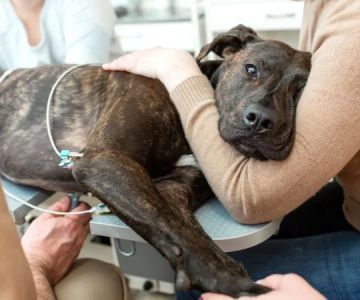
- Decreased Energy or Lethargy: A dehydrated dog may become unusually tired, sluggish, or disinterested in activities they normally enjoy. This is a result of decreased blood flow and energy.
- Sunken Eyes: If your dog’s eyes appear sunken or dull, it’s another indicator of dehydration and should be addressed as soon as possible.
- Loss of Appetite: Dehydration can also cause a dog to lose interest in food. If your dog is not eating or drinking, dehydration could be the underlying cause.
3. Factors That Increase Dehydration Risk in Dogs
While all dogs can become dehydrated, some are at a higher risk due to certain factors. Understanding these risks will help you take preventative measures to protect your dog’s health:
- Hot Weather: Dogs are more likely to become dehydrated during hot weather, especially if they are active outdoors for extended periods. Always provide access to fresh water during warmer months.
- Age: Older dogs, particularly those with underlying health conditions, are more vulnerable to dehydration. Puppies may also be at risk if they aren’t drinking enough water.
- Health Issues: Dogs with kidney disease, diabetes, or gastrointestinal issues are at higher risk of dehydration. If your dog has any of these conditions, be extra vigilant about hydration.
- Increased Activity: High-intensity activities like hiking, running, or playing for extended periods can increase the likelihood of dehydration, particularly if water isn’t readily available.
- Diet: If your dog is eating a dry food diet, they may be at higher risk of dehydration, as dry food contains little moisture. Dogs on wet food diets are generally more hydrated.
4. How to Prevent Dehydration in Dogs
Preventing dehydration in dogs is much easier than treating it once it occurs. Here are some steps you can take to keep your dog properly hydrated:
- Always Provide Fresh Water: Ensure that your dog always has access to fresh, clean water. Change the water at least once a day, and ensure your dog drinks enough throughout the day.
- Limit Outdoor Activities in Extreme Heat: During hot weather, limit the amount of time your dog spends outdoors, especially during peak heat hours. Early mornings and late evenings are the best times for outdoor activities.
- Offer Water During Exercise: Always carry water with you when exercising with your dog. Offer them water regularly, especially during long walks or runs.
- Feed Wet Food: If your dog eats dry food, consider mixing in wet food to increase their moisture intake. Some dogs find wet food more appetizing, which can also encourage them to drink more.
- Use a Pet Water Fountain: Many dogs prefer running water over still water. Consider using a pet water fountain to encourage your dog to drink more frequently.
5. Treatment for Dehydrated Dogs
If you notice signs of dehydration in your dog, it’s important to take action immediately. Here’s what you should do:
- Offer Water Gradually: If your dog is mildly dehydrated, offer small amounts of water frequently. If they aren’t drinking, you can try using a syringe or dropper to administer water.
- Use Pedialyte: In some cases, you can use Pedialyte (without artificial sweeteners or flavorings) to help rehydrate your dog. However, consult your veterinarian before using any oral rehydration solutions.
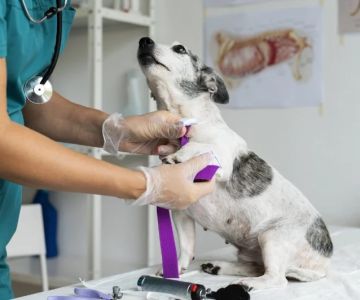
- Seek Veterinary Care: For moderate to severe dehydration, immediate veterinary care is needed. The vet may administer fluids intravenously or under the skin to restore hydration levels.
6. Real-Life Example: A Dog’s Dehydration Story
Meet Max, a lively Golden Retriever who loves to play outside. One hot summer afternoon, Max was out in the yard for several hours without drinking enough water. Later that evening, he became lethargic and refused to eat. His owner, noticing the dry gums and excessive panting, immediately suspected dehydration. After giving him small sips of water and consulting with their vet, Max received the necessary treatment and quickly recovered. This experience highlights the importance of being aware of dehydration signs and acting quickly to help your dog stay healthy.




 My Aquatic Creatures0.0 (0 reviews)
 Good Catch5.0 (1 reviews)
 Magnolia Animal Hospital4.0 (27 reviews)
 PetVet Vaccination Clinic0.0 (0 reviews)
 Sinisa Stupar, DVM4.0 (13 reviews)
 The Fish Place4.0 (567 reviews)
 Top 10 Tips for Pet Health - Expert Advice for Happy, Healthy Pets
 Benefits of Microchipping Your Pet for Safety and Recovery
 Understanding Pet Arthritis: Symptoms and Management for Better Care
 How to Prevent and Treat Heartworm Disease in Pets: Expert Tips
 Signs of Dehydration in Dogs and How to Prevent It
 What Every Pet Owner Should Know About Pet Safety: Essential Tips for Protecting Your Furry Friends