
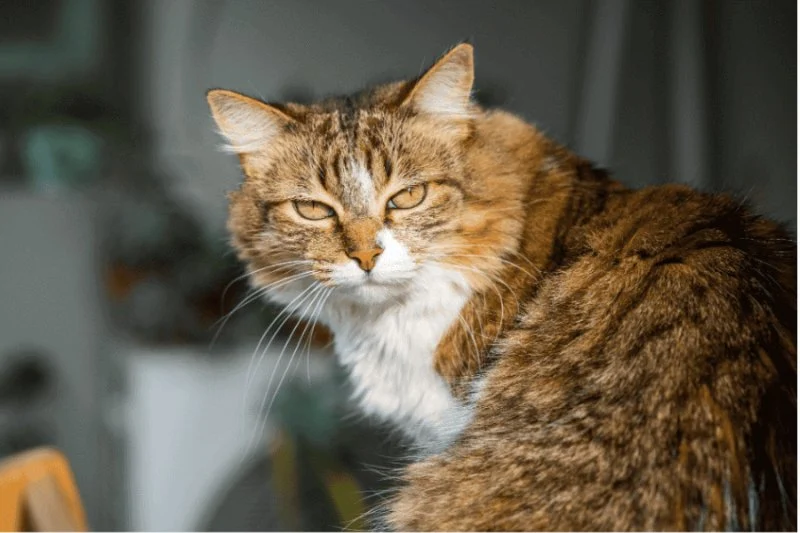
1. Signs Your Senior Cat May Have Kidney Problems
As cats age, they may face various health issues, and one of the most common and concerning conditions in senior cats is kidney disease. Kidney problems can develop slowly, and early signs are often subtle, which can make them hard to spot. However, recognizing the symptoms early can help ensure your cat receives the necessary treatment and care. In this article, we’ll explore the signs of kidney problems in senior cats and what you can do to help your feline companion.
2. Understanding Kidney Disease in Cats
Kidney disease, or renal disease, is a common condition in older cats. The kidneys are responsible for filtering toxins and waste products from the blood, regulating fluid balance, and maintaining electrolyte levels. When the kidneys begin to fail, they can no longer perform these functions effectively. This can lead to a buildup of waste products in the body, which can make your cat feel unwell.
3. 1. Common Signs of Kidney Disease in Senior Cats
As kidney disease progresses, your cat may begin to exhibit a range of symptoms. The early signs can be easy to miss, but it's important to be vigilant and notice changes in your cat's behavior and health. Common signs include:
- Increased thirst and urination: One of the most noticeable signs of kidney disease is an increase in thirst (polydipsia) and urination (polyuria). If your cat is drinking more water than usual and urinating more frequently, it may be a sign of kidney issues.
- Loss of appetite and weight loss: Cats with kidney problems may lose interest in food, leading to weight loss. This can be particularly concerning in senior cats, as they may not be able to afford to lose weight.
- Vomiting and diarrhea: Cats with kidney disease may vomit or have diarrhea, as their kidneys struggle to remove toxins from the body.
- Dehydration: Due to increased urination and loss of appetite, your cat may become dehydrated. Dehydration can lead to lethargy and weakness.
4. 2. Less Obvious Symptoms of Kidney Disease
While the more obvious signs like excessive thirst or vomiting are easier to identify, there are some less obvious symptoms of kidney disease that may indicate your senior cat needs veterinary attention. These can include:
- Poor coat condition: Cats with kidney problems may have a dull, unkempt coat. Their grooming habits may change due to feeling unwell, or their body may lack the nutrients needed to maintain a healthy coat.
- Bad breath (uremic odor): A characteristic sign of kidney disease is bad breath, often described as a urine-like odor. This occurs because of the buildup of toxins in the bloodstream.
- Lethargy and depression: Your cat may become more lethargic or less playful, and they may seem more withdrawn or depressed. Cats are masters at hiding pain, so this subtle change in behavior can sometimes be a sign of illness.
5. 3. Diagnosing Kidney Disease in Cats
If you notice any of the signs listed above, it’s important to take your senior cat to the vet for a proper diagnosis. A veterinarian will perform a thorough physical examination and may recommend blood and urine tests to check for kidney dysfunction. Blood tests will measure kidney function by checking levels of waste products such as creatinine and blood urea nitrogen (BUN). A urine test will help assess the kidney’s ability to concentrate urine, which can be impaired in cats with kidney disease.
6. 4. Treatments for Kidney Disease in Senior Cats
While kidney disease in cats can’t be fully cured, there are several treatment options that can help manage the condition and improve your cat’s quality of life. Depending on the severity of the disease, your vet may recommend:
- Fluid therapy: Dehydration is a common issue in cats with kidney disease. Your vet may recommend subcutaneous fluids to help keep your cat hydrated and support kidney function.
- Prescription diet: Special kidney-friendly cat food is often recommended to support kidney function and reduce the workload on the kidneys.
- Medications: Medications such as phosphate binders, blood pressure medication, or anti-nausea drugs can help manage symptoms and improve your cat’s comfort.
7. 5. Supporting Your Cat at Home
In addition to veterinary treatment, there are steps you can take at home to help manage your cat’s kidney disease and improve their quality of life:
- Encourage hydration: Ensure your cat always has access to fresh water. You may also want to try a water fountain, which many cats find more appealing than a stagnant bowl. Wet food is another great way to increase your cat’s water intake.
- Monitor food intake: Ensure your cat is eating enough by offering them high-quality, palatable food. You may need to try different foods or offer meals more frequently if your cat’s appetite has decreased.
- Provide a calm, comfortable environment: Make sure your cat has a quiet and safe space to rest. Reducing stress and providing comfort can help your cat cope with their condition.
8. 6. Real-Life Experience of Kidney Disease in Senior Cats
One cat owner, Emily, shared her experience with her senior cat, Max, who was diagnosed with kidney disease. Max’s symptoms began subtly, with slight changes in his eating habits and an increase in water consumption. After taking him to the vet, Emily learned that Max’s kidney function had declined. With the help of a special diet, regular vet visits, and extra fluids, Max’s condition improved. Emily’s proactive care made a significant difference in Max’s quality of life, and his story highlights the importance of early detection and consistent treatment.
9. 7. Using Brothers Pets for Cat Health Products
If you’re looking for products to support your senior cat’s health, visit Brothers Pets. We offer a range of high-quality food, supplements, and health products to help manage kidney disease and other health conditions. Our carefully selected products are designed to support your cat’s well-being and ensure they receive the best care possible.





 My Aquatic Creatures0.0 (0 reviews)
 Good Catch5.0 (1 reviews)
 Magnolia Animal Hospital4.0 (27 reviews)
 PetVet Vaccination Clinic0.0 (0 reviews)
 Sinisa Stupar, DVM4.0 (13 reviews)
 The Fish Place4.0 (567 reviews)
 Top 10 Tips for Pet Health - Expert Advice for Happy, Healthy Pets
 Benefits of Microchipping Your Pet for Safety and Recovery
 Understanding Pet Arthritis: Symptoms and Management for Better Care
 How to Prevent and Treat Heartworm Disease in Pets: Expert Tips
 Signs of Dehydration in Dogs and How to Prevent It
 What Every Pet Owner Should Know About Pet Safety: Essential Tips for Protecting Your Furry Friends