
- 1-The Importance of Pet Safety
- 2-Creating a Safe Environment at Home
- 3-Outdoor Safety Tips for Pets
- 4-Common Hazards and How to Avoid Them
- 5-Real-Life Case: A Pet Safety Story
- 6-Shop for Pet Safety Products at Brothers Pets
1. The Importance of Pet Safety
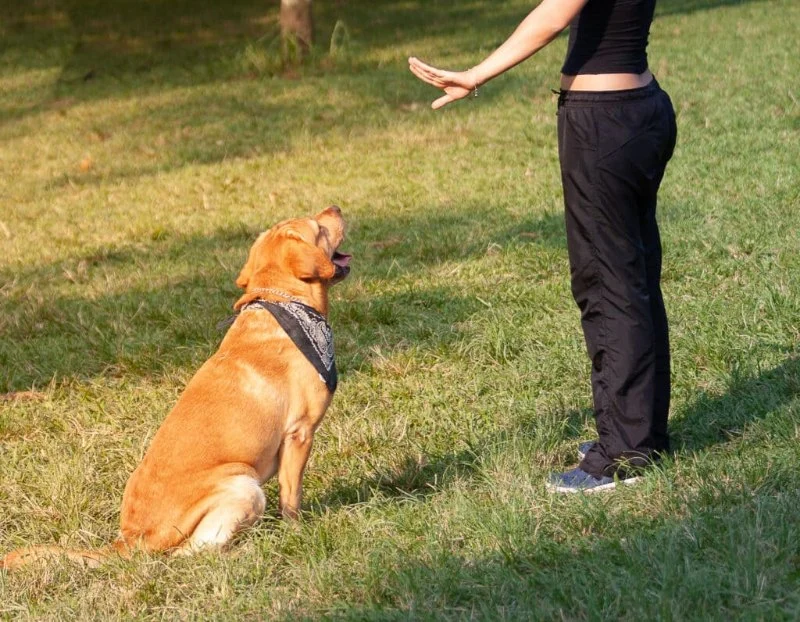
As pet owners, it’s essential to prioritize pet safety to ensure that your furry friends stay healthy, happy, and free from harm. Pets are naturally curious, and this can sometimes lead them into dangerous situations if proper safety measures aren’t in place. Whether you have a dog, cat, or another pet, understanding how to protect them from everyday hazards is key to being a responsible pet owner.
1.1 The Role of Pet Safety in Your Pet’s Health
Pet safety isn’t just about preventing accidents—it’s about maintaining your pet’s overall well-being. Accidents like poisoning, injuries, or getting lost can have long-term consequences on your pet's health. By taking a few proactive steps to ensure their safety, you can prevent many of these dangers and enjoy a much higher quality of life for your pet.
1.2 Why You Should Start Now
Many pet safety practices can be implemented from the moment you bring your pet home. The earlier you start, the easier it will be to build safe habits and create a safe environment. With the right knowledge and preparation, you can avoid accidents and ensure your pet has a secure and happy life with you.
2. Creating a Safe Environment at Home
One of the most important steps in ensuring your pet’s safety is creating a safe and secure living space for them. This includes both the physical environment and the behaviors you encourage as a pet owner.
2.1 Pet-Proofing Your Home
Much like childproofing, pet-proofing your home involves removing potential hazards that could harm your pet. Secure cabinets with dangerous cleaning products, ensure toxic plants are out of reach, and keep sharp objects or small items that could be ingested away from your pet. It's essential to make sure your home environment is free from harmful chemicals, electrical cords, and other objects that could pose a risk.
2.2 Safe Sleeping and Play Areas
Designate safe spaces for your pet to sleep and play. This not only keeps your pet comfortable but also minimizes the chances of accidents. For example, make sure their bed or crate is free of sharp edges and placed in a calm area of the home. Ensure toys are safe and appropriate for your pet’s size and chewing habits.
3. Outdoor Safety Tips for Pets
When your pet is outside, they face different risks compared to when they’re indoors. Whether they’re playing in your backyard or going for walks, outdoor safety is equally important.
3.1 Supervision is Key
Always supervise your pet when they are outside, especially in areas that are not fully enclosed. Dogs and cats alike can wander off and get lost, and it’s important to prevent this by keeping an eye on them or using a leash when necessary. If your pet enjoys being off-leash, make sure they’re in a secured area where they can’t run into danger.
3.2 Outdoor Dangers to Be Aware Of
From cars and wildlife to toxic plants and harsh weather conditions, the outdoors can present a range of dangers. Familiarize yourself with local wildlife hazards and keep your pet away from harmful plants. Also, during extreme weather conditions, such as summer heat or winter cold, ensure your pet is kept comfortable and protected from the elements.
4. Common Hazards and How to Avoid Them
Knowing the common hazards pets face can help you prepare and take steps to prevent accidents. Here are some common pet dangers and how you can avoid them:
4.1 Poisoning from Household Products
Household items such as cleaning agents, foods, and plants can be toxic to pets. Chocolate, onions, and certain medications can cause poisoning if ingested by pets. Keep harmful substances securely stored and out of reach of curious paws and noses.
4.2 Accidents and Injuries
Pets can get injured by running into sharp objects, falling from heights, or even during play. Ensure that your home and yard are safe for your pet, with no dangerous obstacles or items they could get hurt on. Always supervise playtime and keep sharp objects safely stored away.
4.3 Pets and Traffic
Traffic is one of the biggest dangers for outdoor pets, especially in busy urban areas. Always use a leash or harness when walking your dog and be vigilant when they’re near roads. Cats should be kept indoors or in a secure outdoor enclosure to prevent the risk of being hit by a vehicle.
5. Real-Life Case: A Pet Safety Story
Take the story of Max, a playful Labrador, who loved running around in the backyard. One day, while chasing a ball, Max accidentally ran into the street and was almost hit by a car. Fortunately, his owner was nearby and managed to call him back in time. After this close call, Max’s owner installed a fence around their backyard to create a secure space for him to play. This story highlights the importance of ensuring that pets are always in a safe, enclosed space to avoid dangerous situations.
6. Shop for Pet Safety Products at Brothers Pets
If you're looking to improve your pet’s safety, visit Brothers Pets for the best safety products. From secure leashes and harnesses to pet-proofing essentials, we offer a range of products to help you keep your furry friends safe. Explore our store today and ensure your pet’s well-being with high-quality safety items designed with your pet in mind.


 Pine Street Animal Hospital4.0 (275 reviews)
 Thousand Hills Veterinary Clinic4.0 (84 reviews)
 Jay's Aquatics4.0 (121 reviews)
 Parkdale Pet Care4.0 (206 reviews)
 Hampstead Animal Hospital4.0 (204 reviews)
 Petco4.0 (256 reviews)
 How to Teach Your Pet to Respond to Basic Commands | Brothers Pets
 Tips for Safe Outdoor Play for Indoor Cats
 How to Spot and Treat Thyroid Problems in Cats and Dogs
 How to Deal with Pet Aggression: Tips for Peaceful Behavior
 How to Help Dogs Recover from Stressful Events – Effective Strategies for Relief
 The Dos and Don'ts of Pet Adoption Every Owner Should Know