
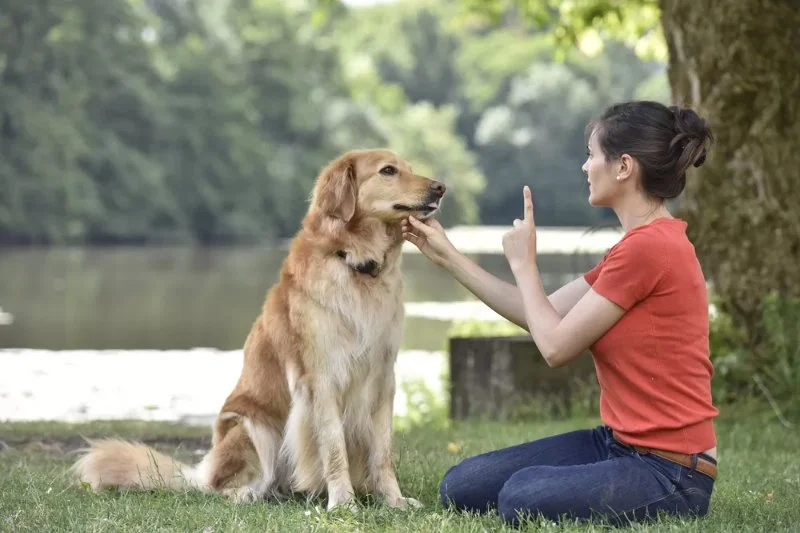
How to Teach Your Pet to Respond to Basic Commands
Training your pet to respond to basic commands is one of the most important aspects of responsible pet ownership. Whether you're a new pet owner or have had pets for years, teaching your dog or cat basic commands can improve their behavior, ensure their safety, and create a stronger bond between you and your pet. In this guide, we’ll walk you through the steps for training your pet to respond to basic commands, from “sit” to “stay,” and provide tips to make the process smoother. For all the right pet supplies and expert advice, check out Brothers Pets for the best products and services tailored to your pet's needs.
- 1. Why Basic Commands Are Important
- 2. Getting Started with Training Your Pet
- 3. Step-by-Step Guide to Teaching Basic Commands
- 4. Common Challenges and How to Overcome Them
1. Why Basic Commands Are Important
Teaching your pet basic commands isn’t just about impressing your friends or showing off your pet’s skills—it’s about ensuring their safety and improving your communication with them. Basic commands, such as “sit,” “stay,” and “come,” can help prevent dangerous situations and make daily life easier for both you and your pet.
Enhancing Safety
Imagine your dog running toward a busy street or your cat getting into an area that's dangerous. A well-trained pet that responds to basic commands can prevent these types of accidents. Commands like “stay” can keep your dog from bolting into dangerous situations, and “come” can be a lifesaver if they get too far away.
Building a Stronger Bond
Training your pet requires time and patience, and it’s a great opportunity to strengthen your bond. As your pet learns to follow commands, they will begin to understand you better, and you will develop a more positive relationship. This trust and understanding can lead to better behavior and a deeper emotional connection.
Better Control in Various Situations
Whether you're at the park, at home, or in a busy environment, knowing that your pet can respond to your commands gives you better control. This makes outings more enjoyable and less stressful, and it ensures that your pet behaves appropriately in different situations.
2. Getting Started with Training Your Pet
Before you begin teaching your pet commands, it’s important to set up the right environment and prepare yourself for the training process. Consistency, patience, and positive reinforcement are key to successful training.
Choose the Right Environment
Start training in a quiet, distraction-free environment where your pet can focus on you. As they get better at following commands, you can gradually introduce distractions to challenge them. A calm space helps your pet stay focused and makes training sessions more productive.
Gather the Right Tools
Having the right tools is essential for effective training. For dogs, a leash and collar or harness are important for control, especially during initial training. For treats, choose small, soft treats that your pet loves—this will keep them motivated and make the reward process smoother. A clicker can also be helpful for marking the exact moment your pet performs the desired behavior.
Consistency Is Key
Training your pet requires consistency. Use the same commands every time and ensure that everyone in your household uses the same words and actions. This helps avoid confusion for your pet and reinforces the behavior you want to see.
3. Step-by-Step Guide to Teaching Basic Commands
Now that you're prepared, it’s time to start training your pet! Here’s a step-by-step guide to teaching your pet the most common basic commands:
Teaching "Sit"
The "sit" command is often the first command most pets learn. To teach your pet to sit, follow these steps:
- Hold a treat in front of your pet’s nose and slowly move your hand upward, above their head.
- As their head moves back to follow the treat, their bottom will naturally lower to the ground. Once they’re sitting, say “sit” and immediately reward them with the treat.
- Repeat this process several times, using the word “sit” each time they lower into a seated position.
Teaching "Stay"
The "stay" command teaches your pet to remain in one place. Here’s how to teach it:
- Start by asking your pet to sit.
- With your pet sitting, hold your hand in front of them, palm facing them, and say “stay.”
- Take a step back, and if your pet stays, reward them with a treat. Gradually increase the distance and duration before rewarding them.
Teaching "Come"
The "come" command is vital for your pet’s safety. To teach "come," follow these steps:
- Start with your pet on a leash and say their name followed by the command “come.”
- When they move toward you, reward them immediately with a treat and praise.
- Gradually increase the distance between you and your pet before giving the command to come.
4. Common Challenges and How to Overcome Them
While training your pet can be fun and rewarding, it’s not always a smooth process. Here are some common challenges you might face and tips for overcoming them:
Lack of Focus
If your pet seems distracted or doesn’t seem to understand the command, try reducing distractions in the environment or shortening the training sessions. Keep sessions brief, about 5–10 minutes, to avoid overwhelming your pet.
Inconsistent Training
Inconsistency can confuse your pet and slow down progress. Be sure that you are using the same words and actions each time. Everyone in your household should be on the same page to reinforce the training.
Patience Is Key
Training takes time, so don’t get discouraged if your pet doesn’t respond immediately. Consistent practice, positive reinforcement, and plenty of patience will eventually lead to success.
Training your pet to respond to basic commands can be a fun and rewarding process that strengthens your bond and improves your pet’s behavior. By following the steps outlined in this guide and staying consistent, you'll have a well-behaved pet in no time. For more expert tips, training resources, and pet supplies, visit Brothers Pets to get everything you need to support your pet’s training journey.






 Interior Ocean Designs / Aquarium Tropical Fish Store4.0 (14 reviews)
 Morley Animal Hospital4.0 (162 reviews)
 Petland Raleigh, North Carolina4.0 (1812 reviews)
 Centreville Square Animal Hospital4.0 (291 reviews)
 Firehouse Animal Health Center Cedar Park4.0 (104 reviews)
 Gentle Doctor Veterinary Clinic4.0 (327 reviews)
 How to Prevent Heartworm Disease in Pets: Prevention and Treatment Options
 How to Spot and Treat Rabies in Pets
 Expert Advice on Pet Vaccination: What Every Pet Owner Should Know
 Expert Advice on Pet Vaccination Every Owner Should Know
 How to Safely Transition Your Pet to a New Food Brand – Expert Tips
 Common Mistakes in Pet Health and How to Avoid Them - Expert Tips for Healthy Pets