
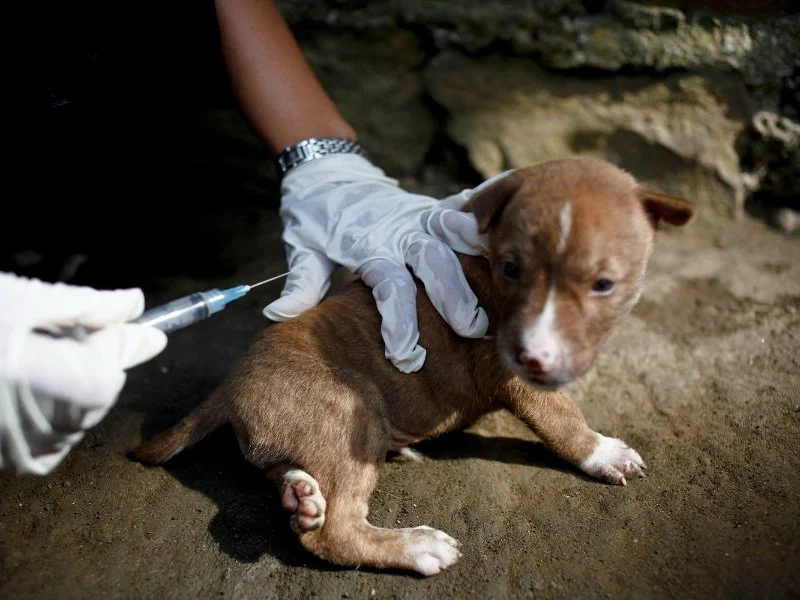
- 1. Understanding Rabies in Pets
- 2. Recognizing the Symptoms of Rabies in Pets
- 3. How to Treat Rabies in Pets
- 4. Preventing Rabies in Pets
- 5. When to Seek Professional Help
1. Understanding Rabies in Pets
Rabies is a deadly viral disease that affects the central nervous system of mammals, including pets such as dogs, cats, and even rabbits. It is primarily transmitted through the saliva of an infected animal, often through bites. Rabies is a zoonotic disease, meaning it can be transmitted from animals to humans, making it a significant health concern for both pets and their owners.
Although rabies is rare in pets due to vaccination efforts, it is still a real threat in many parts of the world. Understanding the risks and symptoms of rabies in pets is crucial for all pet owners.
2. Recognizing the Symptoms of Rabies in Pets
The symptoms of rabies in pets can be quite severe and are often categorized into two stages. The first stage is the prodromal phase, which can last 2 to 3 days. During this time, pets may exhibit subtle behavioral changes such as irritability, fever, and loss of appetite.
The second stage is the furious phase, which is characterized by aggression, excessive salivation, and difficulty swallowing. As the disease progresses, pets may experience paralysis, seizures, and eventually death. If you notice any of these signs, immediate action is required to protect your pet and others around them.
It's important to note that not all animals with rabies display aggressive behavior. In some cases, pets may show signs of weakness or paralysis without outward aggression.
3. How to Treat Rabies in Pets
Unfortunately, there is no cure for rabies once the symptoms have appeared. Once rabies symptoms are visible, the disease is almost always fatal. However, if your pet is bitten or scratched by an animal suspected of having rabies, it is critical to seek immediate veterinary care.
In cases of exposure to rabies, your veterinarian will likely recommend a series of post-exposure treatments, including a rabies booster shot and other supportive care. These measures may help prevent the onset of symptoms if administered promptly.
For pets that are unvaccinated or have unknown vaccination history, rabies vaccination and quarantine may be necessary after exposure.
4. Preventing Rabies in Pets
The most effective way to prevent rabies in pets is through vaccination. Most pets in the United States are required to receive rabies vaccinations as part of regular veterinary care. Puppies and kittens should receive their first rabies vaccination at 12 to 16 weeks of age, with a booster shot one year later.
Keep your pet's vaccinations up to date and avoid allowing them to roam freely in areas where wild animals may be present. Additionally, ensuring that your pet is not in contact with potentially rabid animals, such as raccoons, bats, or stray dogs, can help reduce their risk of exposure.
Regular veterinary checkups are also essential in ensuring that your pet's health remains in good standing and that their rabies vaccination is up to date.
5. When to Seek Professional Help
If you suspect that your pet has been exposed to rabies or is showing signs of rabies, it is crucial to seek veterinary assistance immediately. Early intervention is key, particularly if your pet has been bitten by an animal of unknown rabies status. Your vet will be able to assess the situation, administer necessary post-exposure treatments, and determine if quarantine or additional care is required.
Rabies is a preventable disease, but it requires the vigilance of pet owners to keep their pets safe. Regular vaccinations, limiting exposure to wild animals, and monitoring for unusual behavior can go a long way in preventing rabies in pets.
For further guidance on rabies prevention and treatment, or to purchase pet health products, visit Brothers Pets for helpful recommendations and resources.





 Best Puppies For Sale4.0 (96 reviews)
 Pet Assistance, Inc.2.0 (7 reviews)
 The Animal Clinic, P.S.C.4.0 (407 reviews)
 River Mill Animal Hospital - Dr. Tammie Hodge4.0 (114 reviews)
 Dr. Terry L Hills DVM5.0 (4 reviews)
 South County Animal Hospital, A Thrive Pet Healthcare Partner4.0 (145 reviews)
 Raw Food Diets for Pets: Pros, Cons, and Veterinary Opinions
 How to Spot and Treat Liver Disease in Cats and Dogs: A Complete Guide
 How to Spot Symptoms of Food Allergies in Cats: A Guide for Pet Owners
 How to Choose the Right Vet for Your Pet's Specific Needs
 Best Dog Breeds for Active Families with Kids: Top Choices for Fun and Play
 How to Spot Early Signs of Cancer in Pets and What to Do Next