
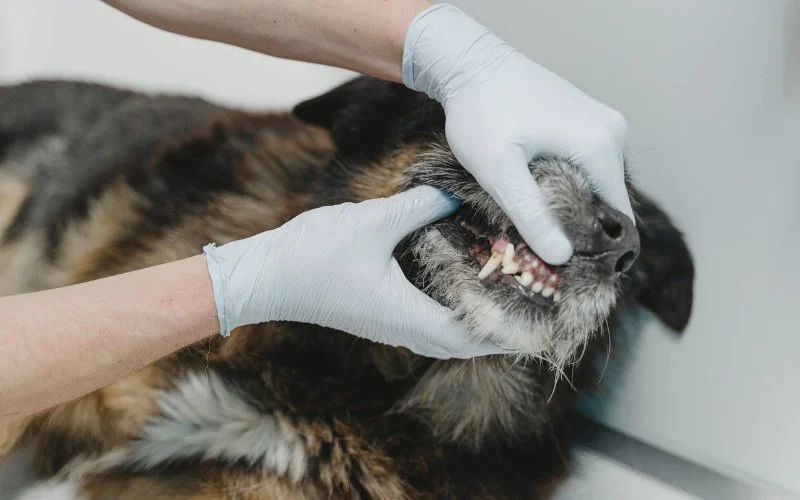
How to Recognize and Treat Infections in Your Pet’s Mouth
- 1. Signs of Mouth Infections in Pets
- 2. Possible Causes of Mouth Infections in Pets
- 3. How to Treat Mouth Infections in Pets
- 4. Importance of Preventive Care for Your Pet’s Oral Health
1. Signs of Mouth Infections in Pets
Mouth infections are common in pets, and recognizing the symptoms early can help prevent further complications. Here are some key signs to look out for:- Bad Breath: If your pet has persistent bad breath, it could be a sign of infection or dental issues.
- Red or Swollen Gums: Infected gums will appear redder and may swell. This is often a sign of gingivitis or other oral infections.
- Excessive Drooling: Pets with mouth infections may drool more than usual due to pain or discomfort.
- Difficulty Eating or Chewing: If your pet refuses to eat or has difficulty chewing, it may indicate mouth pain caused by an infection.
- Visible Sores or Pus: Open sores or pus in your pet’s mouth are clear indicators of infection and need immediate attention.
2. Possible Causes of Mouth Infections in Pets
There are several factors that can lead to mouth infections in pets, including:- Periodontal Disease: One of the most common causes of mouth infections is periodontal disease, which occurs when plaque and tartar build up on teeth, leading to gum infections.
- Trauma or Injury: If your pet has suffered an injury to the mouth, it could lead to infections, especially if the wound is not treated properly.
- Inadequate Oral Hygiene: Pets who do not receive regular oral care can develop infections due to the accumulation of bacteria in the mouth.
- Underlying Health Conditions: Conditions such as diabetes or autoimmune diseases can make your pet more susceptible to infections in their mouth.
- Abscessed Teeth: An abscessed tooth can lead to painful infections and requires professional veterinary treatment.
3. How to Treat Mouth Infections in Pets
If you suspect that your pet has a mouth infection, it’s crucial to consult with a veterinarian. Treatment options may include:- Antibiotics: In many cases, your veterinarian will prescribe antibiotics to help clear the infection.
- Dental Cleaning: If the infection is caused by plaque or tartar build-up, your veterinarian may perform a professional dental cleaning to remove it.
- Pain Management: Pets with mouth infections may require pain relief medication to help ease discomfort during treatment.
- Extractions: In severe cases, the veterinarian may recommend removing infected teeth to prevent the infection from spreading.
- Follow-up Care: Regular follow-up visits are essential to ensure that the infection is fully healed and to prevent future problems.
4. Importance of Preventive Care for Your Pet’s Oral Health
Preventive care is crucial in maintaining your pet’s oral health and preventing infections from occurring. Here are some essential steps you can take:- Regular Brushing: Brush your pet’s teeth regularly with pet-safe toothpaste to remove plaque and bacteria.
- Annual Vet Checkups: Regular veterinary visits will allow for professional dental cleanings and early detection of potential issues.
- Dental Chews and Toys: Provide your pet with dental chews and toys designed to help clean their teeth and promote good oral hygiene.
- Healthy Diet: Feeding your pet a balanced diet and avoiding excessive treats can help maintain healthy teeth and gums.
By recognizing the signs of mouth infections and treating them early, you can help your pet maintain a healthy and pain-free mouth. If you need advice on products or services for your pet’s oral health, visit 【Brothers Pets】 for the best recommendations to keep your pet's mouth clean and infection-free.





 Academy Animal Hospital4.0 (453 reviews)
 PetVet Vaccination Clinic5.0 (2 reviews)
 Great Lakes Veterinary Behavior Consultants3.0 (7 reviews)
 Animal Medical Center4.0 (353 reviews)
 Cloverleaf Animal Hospital4.0 (194 reviews)
 Brookview Animal Health Center4.0 (260 reviews)
 How to Choose the Right Pet Boarding Facility - A Complete Owner’s Guide
 How to Safely Clean Your Pet’s Ears and Prevent Infections: A Step-by-Step Guide
 How to Recognize and Treat Common Pet Injuries - Expert Guide
 Expert Advice on Emergency Pet Care Every Owner Should Know
 Ways to Keep Your Dog Entertained When Home Alone
 How to Provide Safe and Effective Flea Treatment for Your Pet" — Optimized for the target audience and search engines.