
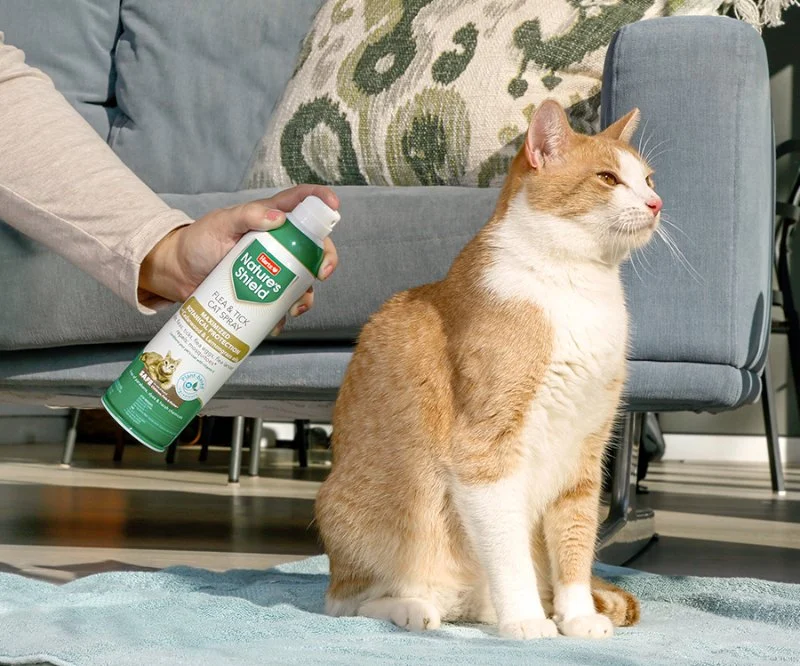
Fleas are one of the most common pests that can affect your pets, causing discomfort, itching, and even serious health problems. As a pet owner, it's important to know how to provide safe and effective flea treatment for your furry friends. In this article, we'll explore everything you need to know about treating fleas on your pet, including how to choose the right products, effective treatment methods, and tips for preventing future infestations.
- 1. Understanding Flea Infestations
- 2. Choosing the Right Flea Treatment
- 3. Natural Remedies for Flea Control
- 4. Tips for Preventing Future Flea Infestations
- 5. When to Call the Vet for Flea Problems
1. Understanding Flea Infestations
Fleas are tiny, blood-sucking insects that can cause a range of health issues for your pets, including skin irritation, allergic reactions, and even the transmission of parasites like tapeworms. Understanding how fleas infest your pet is the first step in managing and preventing them. Fleas typically live on your pet, feeding on their blood, but they also lay eggs that can fall off into your home, creating a cycle of infestation. Fleas can be hard to spot due to their small size, but you'll often notice your pet scratching or biting at their skin.
Common signs of a flea infestation include:
- Excessive scratching or biting at the skin
- Flea dirt (small black specks) on the fur
- Hair loss or sores from scratching
- Visible fleas on the pet's fur
2. Choosing the Right Flea Treatment
When it comes to flea treatment, there are a variety of options available, but not all treatments are suitable for every pet. Here are some factors to consider when choosing the best treatment for your pet:
- Age and Weight: Ensure the flea treatment is appropriate for your pet’s age, size, and weight. Some treatments are designed for puppies or kittens, while others are suitable for adult dogs and cats.
- Type of Treatment: Flea treatments come in various forms, including topical treatments, oral medications, collars, and sprays. Topical treatments are typically applied to the skin, while oral medications are ingested by your pet. Flea collars provide long-lasting protection, while sprays can be used for immediate relief.
- Effectiveness: Look for products that are proven to kill fleas on contact and have a long-lasting effect. The product should also be effective in preventing flea eggs from hatching, breaking the flea life cycle.
- Pet Safety: Always read the product label and follow the manufacturer’s instructions. Some flea treatments may contain chemicals that are toxic to certain pets, such as cats. Make sure the product is safe for your pet’s breed and size.
3. Natural Remedies for Flea Control
If you prefer to avoid chemical treatments, there are several natural remedies you can try to control fleas on your pet. While these remedies may not be as fast-acting as chemical treatments, they can be a good option for long-term flea prevention:
- Essential Oils: Certain essential oils, such as lavender, peppermint, and eucalyptus, can help repel fleas. However, be cautious when using essential oils, as some can be toxic to pets. Always dilute essential oils and consult your vet before use.
- Apple Cider Vinegar: Apple cider vinegar can be used as a natural flea repellent. You can dilute it with water and apply it to your pet’s fur. It also helps to maintain the pH balance of their skin, preventing fleas from thriving.
- Flea Combs: Using a flea comb is an effective way to remove fleas and flea dirt from your pet’s fur. Regular grooming with a flea comb can help reduce the flea population and prevent further infestations.
4. Tips for Preventing Future Flea Infestations
Prevention is key when it comes to flea infestations. Here are some effective ways to prevent fleas from returning:
- Regular Flea Treatment: Even if your pet doesn’t show signs of fleas, regular flea treatment is essential for prevention. Follow a consistent schedule of flea treatments as recommended by your vet.
- Clean Your Home: Fleas can live in your home’s carpets, furniture, and bedding. Vacuum your home frequently, especially in areas your pet frequents, and wash their bedding regularly to remove flea eggs and larvae.
- Keep Your Pet’s Environment Clean: Keep your pet’s living area clean and free of fleas by bathing them regularly and brushing their fur. Make sure they have a flea-free outdoor space to play in.
5. When to Call the Vet for Flea Problems
Sometimes, flea problems can get out of hand and require professional help. Here are some signs that it’s time to consult a vet:
- Your pet is suffering from severe itching or skin infections that don’t improve with home remedies.
- Fleas have spread throughout your home despite your efforts to treat your pet.
- Your pet has developed secondary infections or is losing large amounts of fur due to flea damage.
- You need help choosing the right flea treatment or have concerns about potential side effects.
For professional flea treatments and expert advice, you can visit Brothers Pets to find the best products and services for your pet.
In conclusion, dealing with fleas requires timely action, appropriate treatment, and regular prevention. Whether you choose chemical treatments or natural remedies, always prioritize your pet's health and safety. By following these expert tips, you can ensure your pet remains flea-free and comfortable.






 Coyne Veterinary Center - St. John3.0 (337 reviews)
 VCA Swengel Animal Hospital4.0 (167 reviews)
 Hampton Cove Animal Hospital & Covepets4.0 (508 reviews)
 Heritage Acres Veterinary Services4.0 (231 reviews)
 Petco4.0 (604 reviews)
 General Veterinary Clinic4.0 (367 reviews)
 Common Signs of Arthritis in Senior Cats: What to Look For and How to Help
 How to Deal with Pet Stress During Traveling – Expert Tips to Help Your Pet Cope
 How to Help Your Pet Cope with the Loss of a Loved One | Brothers Pets
 Expert Advice on Pet Health for Smarter, Happier Care
 How to Make Your Home Safe for Curious Cats: Tips and Tricks
 Pet Insurance: What Vets Want You to Know Before You Buy