
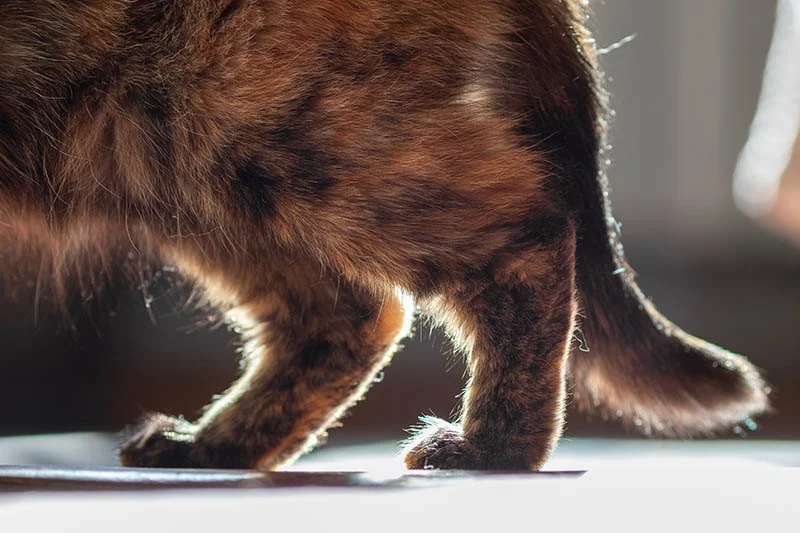
- 1 - Understanding Arthritis in Senior Cats
- 2 - Common Signs of Arthritis in Cats
- 3 - Causes of Arthritis in Elderly Cats
- 4 - Treatment Options for Cats with Arthritis
- 5 - Case Study: Managing Arthritis in Senior Cats
1 - Understanding Arthritis in Senior Cats
Arthritis is a common condition in senior cats, affecting their joints and causing pain and stiffness. As cats age, their cartilage wears down, leading to inflammation in the joints. This can make it difficult for them to move around comfortably, which can severely affect their quality of life. Unlike humans, cats are often good at hiding their discomfort, making it hard for pet owners to spot the early signs of arthritis.
For cats living in the later stages of life, arthritis is more than just an inconvenience—it's a serious health concern. It can impact their mobility, appetite, and overall well-being. Understanding the signs of arthritis is crucial for early diagnosis and effective management, so your cat can continue living comfortably in their senior years.
2 - Common Signs of Arthritis in Cats
Unlike humans, cats tend to mask their pain, making it difficult for owners to detect arthritis until the condition is advanced. However, there are several signs that you can watch for that may indicate your senior cat is suffering from arthritis.
- Reduced Activity: Cats with arthritis may become less active, avoiding their usual playtime or social activities. If your cat is spending more time sleeping or resting and less time engaging in playful behavior, it could be a sign of joint pain.
- Difficulty Jumping or Climbing: One of the most noticeable signs of arthritis in cats is difficulty jumping or climbing onto their favorite spots, like the couch, bed, or windowsill. If your cat has suddenly stopped jumping, it may be struggling with joint discomfort.
- Stiffness or Limping: Watch for any signs of limping, lameness, or stiffness, especially when your cat first gets up after lying down. These are common indicators of arthritis-related joint pain.
- Changes in Grooming Habits: Cats with arthritis may have trouble grooming themselves properly, especially in areas that are harder to reach due to joint pain. You may notice that your cat is not as clean as usual or that their fur looks matted.
- Behavioral Changes: Cats experiencing pain from arthritis may become more irritable, withdraw from social interaction, or show signs of aggression when touched in certain areas. A once affectionate cat may suddenly avoid contact or become more aggressive when handled.
- Weight Changes: Cats with arthritis may either gain weight due to inactivity or lose weight due to a reduced appetite from pain. Either extreme can be a red flag for arthritis and should be addressed with your veterinarian.
If you notice any of these changes in your senior cat, it’s essential to consult with a veterinarian. Early detection and intervention can help alleviate discomfort and improve your cat’s quality of life.
3 - Causes of Arthritis in Elderly Cats
Arthritis in cats, particularly senior cats, is often the result of a combination of factors. As cats age, their bodies undergo changes that can contribute to the development of arthritis. Here are some of the key causes:
- Aging: As with many health issues in cats, aging is the most significant risk factor for arthritis. The cartilage in the joints gradually wears down over time, which can lead to inflammation and pain.
- Previous Injuries: Cats that have had prior injuries, such as fractures or dislocations, may be more prone to developing arthritis in those affected joints later in life.
- Obesity: Overweight cats put additional strain on their joints, particularly the hips, knees, and spine. This added stress increases the likelihood of developing arthritis.
- Genetics: Some cats are genetically predisposed to arthritis, particularly certain breeds. Cats with a family history of joint problems may be more likely to develop arthritis as they age.
While aging and previous injuries are the most common causes of arthritis in senior cats, these factors, combined with obesity or genetic predispositions, can increase the risk and severity of the condition.
4 - Treatment Options for Cats with Arthritis
If your cat is diagnosed with arthritis, there are several treatment options available to help manage their symptoms and improve their quality of life. While arthritis cannot be cured, it can be effectively managed with the right approach.
- Medication: Nonsteroidal anti-inflammatory drugs (NSAIDs) and other pain medications can help reduce inflammation and alleviate pain. Your vet may also recommend joint supplements, such as glucosamine and chondroitin, to help support joint health.
- Physical Therapy: Just like humans, cats can benefit from physical therapy. Techniques like massage, laser therapy, and joint exercises can help improve mobility and reduce pain.
- Weight Management: If your cat is overweight, working with your vet to develop a weight loss plan can reduce the strain on their joints and help alleviate arthritis symptoms.
- Environmental Modifications: Making your home more arthritis-friendly can help. Provide soft bedding, ramps or steps to help your cat get to high places, and ensure that litter boxes are easy for your cat to access without straining.
With a combination of these treatments, most cats with arthritis can live a comfortable life. It’s important to work closely with your veterinarian to determine the best course of action for your cat’s specific needs.
5 - Case Study: Managing Arthritis in Senior Cats
Take the case of Bella, a 14-year-old domestic shorthair cat, who began showing signs of stiffness and limping after getting up from her favorite spot on the windowsill. Her owner, Maria, noticed that Bella was not grooming as much and seemed less interested in playing. Concerned, Maria took Bella to the vet, who diagnosed her with arthritis in her hips and knees.
After discussing treatment options, Maria and the vet developed a comprehensive plan that included pain management with anti-inflammatory medication, glucosamine supplements, and a special diet to help Bella lose weight. Maria also made some changes around the house, adding a soft, heated bed and placing ramps near high furniture to make it easier for Bella to move around.
Within a few weeks, Bella’s mobility improved, and she was much more active. She regained her playful attitude and even started grooming herself more regularly. Thanks to early intervention and a tailored treatment plan, Bella was able to continue enjoying her senior years without the discomfort of arthritis.
This case highlights the importance of early detection and working closely with your vet to create a personalized treatment plan for your senior cat. With the right care, cats with arthritis can live happy and comfortable lives well into their golden years.






 Best Puppies For Sale4.0 (96 reviews)
 Pet Assistance, Inc.2.0 (7 reviews)
 The Animal Clinic, P.S.C.4.0 (407 reviews)
 River Mill Animal Hospital - Dr. Tammie Hodge4.0 (114 reviews)
 Dr. Terry L Hills DVM5.0 (4 reviews)
 South County Animal Hospital, A Thrive Pet Healthcare Partner4.0 (145 reviews)
 Raw Food Diets for Pets: Pros, Cons, and Veterinary Opinions
 How to Spot and Treat Liver Disease in Cats and Dogs: A Complete Guide
 How to Spot Symptoms of Food Allergies in Cats: A Guide for Pet Owners
 How to Choose the Right Vet for Your Pet's Specific Needs
 Best Dog Breeds for Active Families with Kids: Top Choices for Fun and Play
 How to Spot Early Signs of Cancer in Pets and What to Do Next